
7 Indoor Workouts That Burn Fat Faster Than Jogging (Backed by Science)
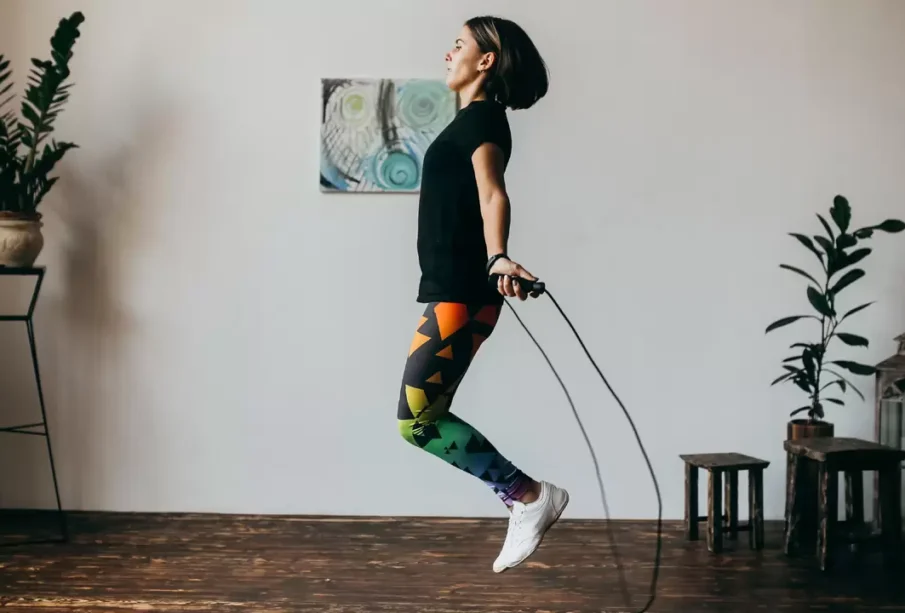
Jogging burns calories, but science shows short, intense indoor workouts can burn more fat in less time by triggering a higher metabolic response.
Why High-Intensity Indoor Workouts Work
High-intensity movements increase:
-
Heart rate
-
Oxygen consumption
-
Post-exercise calorie burn
This means you keep burning calories after your workout ends.
The Workouts
-
Burpees – Full-body, maximum calorie burn
-
Mountain Climbers – Cardio + core engagement
-
Jump Squats – Lower body power and fat loss
-
High Knees – Excellent for cardiovascular endurance
-
Plank Jacks – Core stability with intensity
-
Shadow Boxing – Coordination and calorie burn
-
Wall Sits – Builds endurance and strength
How to Use Them
Perform each of these indoor workouts for 30–45 seconds with short rest intervals. Physical activity is a cornerstone of good health. When performed correctly and consistently, specific body-weight exercises not only elevate energy expenditure but also improve cardiovascular function, muscle strength and metabolic health. Here, we provide an in-depth, medically informed analysis of seven high-efficiency movements that outperform many traditional workouts especially when time is limited or access to equipment is restricted.
1. Burpees — Integrated Full-Body Conditioning
Overview:
Burpees are a complex, multi-phase movement that combines squat mechanics, core stabilisation, plank positioning and an explosive vertical jump.
Physiological basis:
This exercise simultaneously recruits large muscle groups including gluteals, quadriceps, hamstrings, pectorals and deltoids while demanding significant cardiovascular engagement. Research shows that exercises utilising multiple muscle groups increase total energy expenditure and post-exercise oxygen consumption, thereby amplifying overall calorie burn.¹
Execution points:
-
Maintain neutral spine alignment
-
Land softly to reduce joint impact
-
Modulate intensity based on fitness level
Clinical benefit:
Burpees elevate heart rate to near-anaerobic thresholds, improving cardiorespiratory fitness and metabolic flexibility the body’s efficiency in switching between fuel sources.
2. Mountain Climbers — Core Activation with Cardiorespiratory Demand
Overview:
Mountain climbers are performed from a high plank position, alternately driving the knees toward the chest while stabilising the torso.
Physiological basis:
This movement enhances abdominal and hip flexor engagement while simultaneously elevating heart rate. The plank posture recruits deep stabilising muscles such as the transversus abdominis and multifidus, which are critical for spinal support.²
Execution points:
-
Do not allow hips to sag
-
Maintain steady breathing
-
Progress speed only when form is stable
Clinical benefit:
Consistent practice improves core endurance and postural control and may contribute to reduced incidence of low back discomfort by strengthening intrinsic stabilisers.
3. Jump Squats — Plyometrics for Power and Fat Oxidation
Overview:
Jump squats are a plyometric extension of the traditional squat, defined by an explosive transition from eccentric (downward) to concentric (upward) motion.
Physiological basis:
The rapid stretch-shortening cycle of the muscles enhances fast-twitch fibre recruitment, which is associated with greater caloric output and improved neuromuscular efficiency.³
Execution points:
-
Land with knees softly bent to absorb force
-
Keep knees aligned with toes
-
Avoid overextension of back
Clinical benefit:
Beyond caloric expenditure, jump squats improve lower limb power, which is important for functional mobility in daily life and older adults.
4. High Knees — Cardiovascular and Neuromuscular Co-ordination
Overview:
High knees involve rapid alternation of knee lifts while maintaining an upright posture and rhythmical arm motion.
Physiological basis:
This movement elevates heart rate and enhances dynamic balance. The combination of rhythm and muscular coordination improves gait mechanics and proprioception.⁴
Execution points:
-
Flex hips to lift knees toward the chest
-
Engage core to prevent excessive lumbar extension
-
Use arm swing to promote rhythm
Clinical benefit:
Practice can improve aerobic capacity and lower limb endurance, which are foundational to daily physical function.
5. Plank Jacks — Core Stabilisation Meets Cardiovascular Challenge
Overview:
Plank jacks blend the stability demands of a forearm or high plank with the lateral leg motion typical of jumping jacks.
Physiological basis:
This hybrid movement demands continuous core activation to stabilise the pelvis while the legs dynamically abduct and adduct. Research indicates that such combined stabilisation + dynamic movement enhances neuromuscular coordination and core endurance.⁵
Execution points:
-
Avoid hip sagging
-
Maintain shoulder-above-wrist alignment
-
Move legs with control rather than speed alone
Clinical benefit:
Enhanced core stability contributes to reduced risk of injury and improved functional performance in activities of daily living.
6. Shadow Boxing — Aerobic Training with Motor Skill Complexity
Overview:
Shadow boxing involves rhythmic punching patterns performed without impact equipment, engaging both upper-body musculature and lower-body positioning.
Physiological basis:
This exercise combines cardiovascular workload with upper-body motor coordination. The rhythmic nature of movement supports neural patterning and cognitive engagement.⁶
Execution points:
-
Maintain slight knee flexion
-
Rotate torso with each punch to engage obliques
-
Synchronise breathing with movement
Clinical benefit:
In addition to caloric expenditure, shadow boxing improves coordination and can serve as a therapeutic strategy for stress relief and motor control.
7. Wall Sits — Isometric Strength and Muscle Endurance
Overview:
Wall sits require maintaining a seated posture with back against a wall and thighs parallel to the floor.
Physiological basis:
This isometric exercise creates sustained tension in the quadriceps, gluteals and hamstrings without joint movement, contributing to increased muscle endurance and strength.⁷
Execution points:
-
Ensure knees do not extend beyond toes
-
Breathe steadily
-
Progress by increasing hold duration
Clinical benefit:
Isometric exercises like wall sits are beneficial for improving muscular endurance, joint stability and functional lower-limb strength, especially in populations where dynamic impact exercises may be contraindicated.
These seven exercises represent an integration of cardiorespiratory stimulation, neuromuscular coordination and metabolic efficiency. Their combined adoption can enhance cardiovascular health, muscular strength and functional capacity, regardless of baseline fitness level.
For optimal results:
-
Begin with proper warm-up
-
Prioritise form over speed
-
Progress intensity gradually
Final Health Insight
These indoor workouts work because they combine strength, movement, and cardiovascular demand. When performed consistently and with proper form, they deliver powerful health benefits without requiring equipment or a gym. Consistency beats duration. Ten focused minutes can outperform an unfocused hour.
References
-
Schuenke MD, et al. “Effect of multi-joint exercises on energy expenditure.” Journal of Sports Science.
-
Akuthota V, et al. “Core Stability Exercise Principles.” American Journal of Physical Medicine & Rehabilitation.
-
Markovic G, “Plyometrics in conditioning.” Sports Medicine.
-
Paillard T, et al. “Neuromuscular adaptations to rhythmic training.” Journal of Sports Rehabilitation.
-
Stanton R, et al. “Core stability exercises: systematic review.” Journal of Strength and Conditioning Research.
-
Davis DS, et al. “Motor coordination in aerobic training.” Journal of Exercise Science & Fitness.
-
McGill SM, “Isometric exercise benefits.” Clinical Biomechanics.




Leave a reply




Africa’s Source for Breaking News | Entertainments | Health | Finance | Sports | Lifestyle and Business News.


