
Amazing Natural Phenomena Explained
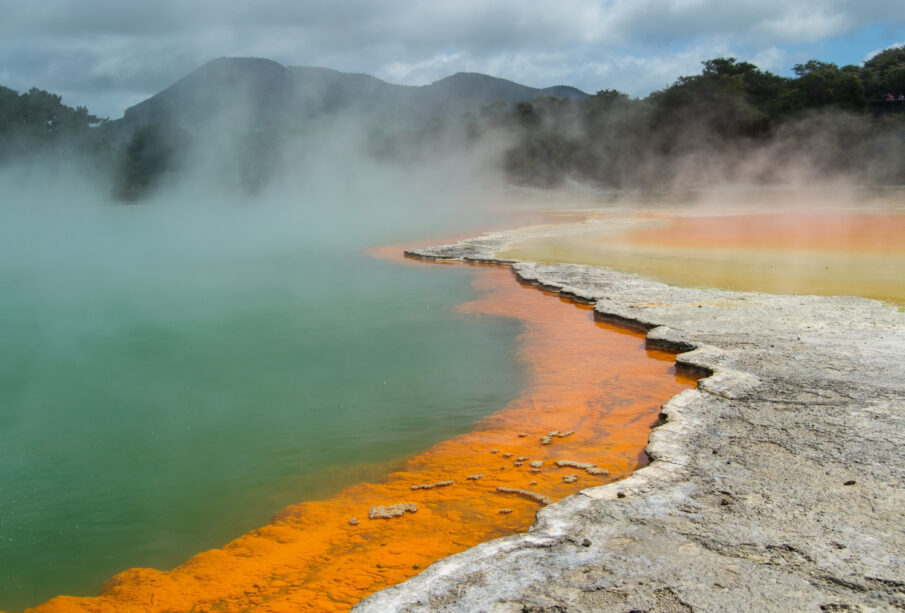
Nature is full of breathtaking events that can leave us both inspired and curious.
From glowing waters to fiery skies, these phenomena often seem magical, but they are grounded in fascinating scientific principles. Understanding how they work not only deepens our appreciation for the natural world but also reminds us of how interconnected and dynamic our planet truly is.
1. The Northern and Southern Lights (Aurora)
The shimmering curtains of green, purple, and pink lights seen in polar regions are known as auroras. These displays occur when charged particles from the sun collide with gases in Earth’s atmosphere. The interaction excites the gases, causing them to emit light. Oxygen produces green and red hues, while nitrogen creates blue and purple tones. The result is a moving light show that dances across the night sky.
2. Bioluminescent Waters
In certain parts of the world, oceans and lakes glow at night with a soft blue light. This phenomenon is caused by tiny marine organisms called plankton that emit light through a chemical reaction. When the water is disturbed, by waves, fish, or even a person’s hand, the plankton light up. This natural glow serves as a defense mechanism, often startling predators or attracting larger creatures that may feed on them.
3. Volcanic Lightning
During some volcanic eruptions, flashes of lightning can be seen within the ash cloud. This dramatic effect occurs when particles of ash, rock, and ice collide and create static electricity. As the electrical charge builds up, it is released as lightning. The combination of fire, ash, and lightning creates one of the most powerful and awe-inspiring natural spectacles.
4. Rainbows
Rainbows are a familiar yet fascinating phenomenon. They form when sunlight passes through raindrops in the air. The light is refracted (bent), reflected inside the droplet, and then refracted again as it exits. This process separates the light into its component colors—red, orange, yellow, green, blue, indigo, and violet, creating the iconic arc in the sky.
5. Desert “Singing” Sand Dunes
In some deserts, sand dunes produce a low, humming or booming sound when the sand shifts. This unusual occurrence happens when grains of sand slide over one another under the right conditions. The friction and synchronized movement of the grains create vibrations that can be heard as sound waves, sometimes lasting for several minutes.
6. Ice Circles
Ice circles are rare formations that appear as perfectly round discs of ice floating on rivers. They form when chunks of ice get caught in a slow-moving circular current. As the ice rotates, it bumps against surrounding ice and water, gradually smoothing into a circular shape. Over time, the spinning motion carves out a near-perfect disc.
7. Fire Whirls (Fire Tornadoes)
Fire whirls are swirling columns of flame that occur when intense heat and turbulent wind conditions combine. As hot air rises, cooler air rushes in to replace it, creating a spinning motion. If flames are present, they can be pulled into the vortex, forming a fiery spiral that resembles a tornado.
8. Frost Flowers
Frost flowers are delicate, ice-crystal formations that grow on plants or surfaces during very cold conditions. They form when moisture inside plant stems freezes and expands, forcing thin layers of ice out through cracks. As the ice meets the cold air, it curls into petal-like shapes that resemble flowers.
9. Ball Lightning
Ball lightning is a rare and mysterious phenomenon often described as glowing, spherical objects that appear during thunderstorms. Scientists believe it may be caused by electrical energy trapped in a plasma state, though the exact mechanism is still debated. These floating orbs can move unpredictably and sometimes disappear suddenly.
10. Waterspouts
Waterspouts are tornado-like formations that occur over water. They develop when warm, moist air rises rapidly and begins to rotate. As the spinning column of air intensifies, it pulls water upward, creating a visible funnel that connects the sea to the clouds above.
Conclusion
Natural phenomena may look like magic, but they are powerful reminders of the scientific forces shaping our world. From the depths of the oceans to the vastness of the sky, these events showcase the beauty, complexity, and unpredictability of nature. By understanding how they occur, we gain not only knowledge but also a deeper sense of wonder for the planet we call home.



Leave a reply







Africa’s Source for Breaking News | Entertainments | Health | Finance | Sports | Lifestyle and Business News.


