
Ancient Engineering Marvels
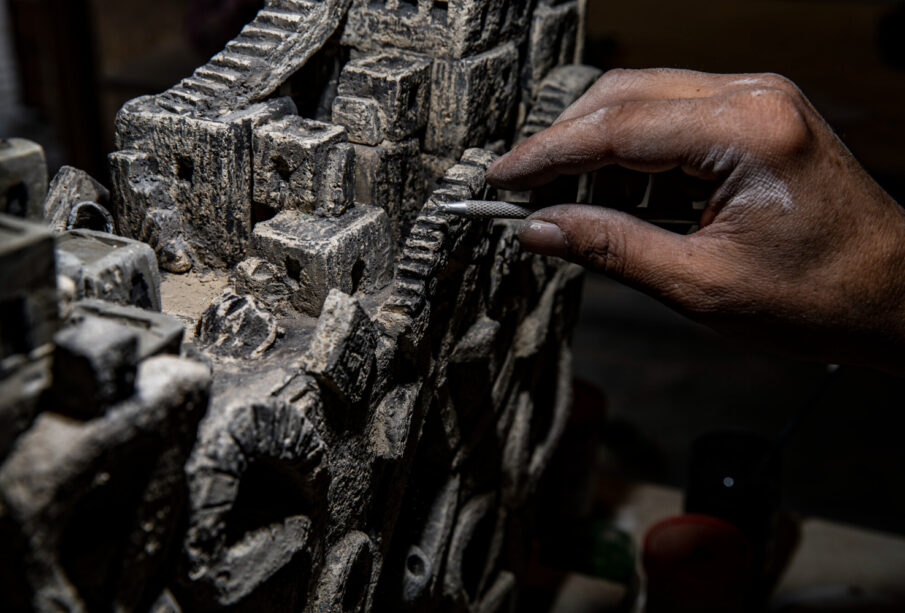
Human civilizations have always shown remarkable creativity.
Long before modern machines existed, ancient societies built impressive structures. These creations still amaze historians, architects, and engineers today. We call many of them ancient engineering marvels.
These achievements show how early civilizations solved complex problems. They worked with simple tools and limited resources. Yet they created structures that have lasted thousands of years.
The Pyramids of Giza
The Great Pyramid of Giza stands as one of the most famous engineering achievements in history. Pharaoh Khufu ordered its construction around 2560 BCE. Workers built it using about 2.3 million massive stone blocks. The pyramid originally reached about 146 meters in height. Builders aligned it almost perfectly with the cardinal directions. They achieved this precision using basic tools such as copper chisels and wooden sledges.
Historians still study how Egyptian builders moved and positioned such heavy stones. Their planning, organization, and engineering skill continue to impress modern experts.
Roman Aqueducts
The Romans excelled at building infrastructure. Their aqueducts supplied clean water to cities across the empire. These systems carried water across valleys, hills, and long distances. The Pont du Gard in France remains one of the best-known examples. Roman engineers designed aqueducts with a slight downward slope. Gravity moved the water through the channels.
Workers used carefully cut stone and strong Roman concrete. Because of this durability, some aqueducts still stand after two thousand years.
The Great Wall of China
The Great Wall of China represents one of the largest construction projects in human history. Several Chinese dynasties built and expanded the wall over many centuries. The Qin Dynasty began major sections, and the Ming Dynasty strengthened them later.
Builders used materials found near each construction site. These included stone, packed earth, bricks, and wood. The wall served more than one purpose. Watchtowers, signal systems, and fortified gates formed a complex defense network.
Machu Picchu
High in the Andes Mountains sits the remarkable city of Machu Picchu. The Inca Empire built the city during the 15th century. Inca builders shaped stones with incredible precision. Each stone fit tightly without mortar. This technique helped the structures survive earthquakes.
The city also included terraces for farming and advanced drainage systems. These features protected the settlement from erosion and heavy rainfall.
Petra: The Rose City
The ancient city of Petra lies within the deserts of modern-day Jordan. The Nabataeans built it around the 4th century BCE. Many buildings in Petra were carved directly into red sandstone cliffs. The city also featured a sophisticated water management system.
Engineers created channels, reservoirs, and dams to collect rainwater. This system allowed Petra to thrive despite its dry environment.
Why Ancient Engineering Still Matters
Ancient engineering teaches valuable lessons. Early builders planned carefully and used available materials wisely. Many ancient projects also supported environmental balance. Builders adapted their designs to local landscapes and climates.
Modern engineers still study these methods today. Ancient solutions often inspire sustainable design and long-lasting infrastructure.
Conclusion
Ancient engineering marvels show the power of human ingenuity. Early civilizations created extraordinary structures without modern technology.
From the pyramids of Egypt to the mountain city of Machu Picchu, these achievements continue to inspire the world. They remind us that creativity, planning, and determination can overcome even the greatest challenges.




Leave a reply





Africa’s Source for Breaking News | Entertainments | Health | Finance | Sports | Lifestyle and Business News.


