
Ancient Engineering Marvels Explained
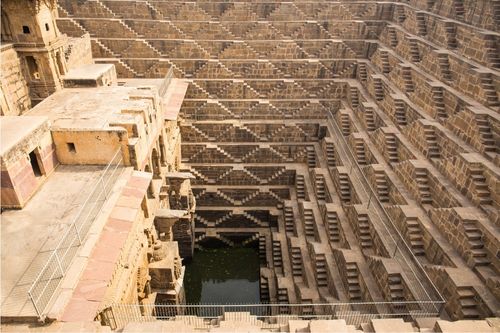
Long before modern machinery, computer modeling, and advanced materials, ancient civilizations were already achieving feats of engineering that continue to inspire awe today.
These structures were not only functional but often symbolic, reflecting the cultural, spiritual, and political ambitions of their creators. Understanding how these marvels were built reveals the ingenuity, resourcefulness, and scientific knowledge of early societies.
The Great Pyramid of Giza: Precision in Stone
One of the most iconic engineering achievements in history is the Great Pyramid of Giza. Built over 4,500 years ago during the reign of Pharaoh Khufu, this massive structure consists of approximately 2.3 million stone blocks, each weighing several tons.
What makes the pyramid extraordinary is its precision. The base is nearly perfectly square, and its alignment with the cardinal directions is astonishingly accurate. Engineers of the time likely used simple tools, such as ropes, wooden sledges, and copper chisels, combined with advanced knowledge of geometry and astronomy. Ramps, possibly straight or spiral, are believed to have been used to transport the heavy stones.
The Roman Colosseum: Mastery of Materials
The Colosseum in Rome stands as a testament to Roman engineering brilliance. Completed in 80 AD, this massive amphitheater could hold tens of thousands of spectators.
What set Roman engineers apart was their use of concrete, a revolutionary material at the time. This allowed them to create durable, flexible structures. The Colosseum also featured an advanced system of arches and vaults, which distributed weight efficiently. Beneath the arena lay a complex underground network known as the hypogeum, where animals and gladiators were prepared before contests.
Machu Picchu: Harmony with Nature
High in the Andes Mountains lies Machu Picchu, a 15th-century Incan city that showcases remarkable engineering adapted to its environment. Built without mortar, the stones fit together so precisely that even a knife blade cannot pass between them.
The Incas excelled in earthquake-resistant construction. Their walls were slightly tilted inward, and stones were cut to interlock, allowing the structures to shift during seismic activity without collapsing. Additionally, the city featured sophisticated drainage systems that prevented flooding during heavy rains, an essential feature in its mountainous setting.
The Great Wall of China: Scale and Strategy
Stretching thousands of kilometers, the Great Wall of China is one of the largest construction projects ever undertaken. Built over several dynasties, its primary purpose was defense against invasions.
The wall’s construction varied depending on the terrain. In mountainous regions, stones were used, while tamped earth and bricks were common in flatter areas. The wall also included watchtowers and signal systems that allowed for rapid communication across vast distances—an early form of military coordination.
Petra: Carved from Rock
The ancient city of Petra, built by the Nabataeans, is famous for its structures carved directly into red sandstone cliffs. Beyond its beauty, Petra demonstrates advanced water management in a desert environment.
Engineers designed channels, cisterns, and dams to collect and store rainwater, ensuring a steady supply in an otherwise arid region. This hydraulic system allowed Petra to thrive as a major trading hub.
Lessons from Ancient Engineers
Despite lacking modern technology, ancient engineers shared several key strengths:
- Deep understanding of materials: They used locally available resources efficiently.
- Adaptation to environment: Structures were designed to withstand local conditions such as earthquakes, floods, or extreme heat.
- Mathematical and astronomical knowledge: Precision in alignment and measurement was crucial.
- Labor organization: Massive projects required careful planning and coordination of thousands of workers.
Why These Marvels Still Matter
Ancient engineering marvels are more than historical curiosities, they are lessons in sustainability, creativity, and problem-solving. Modern engineers still study these structures to understand durability and design principles that have stood the test of time.
In an age of rapid technological advancement, these ancient achievements remind us that innovation does not depend solely on tools, but on human ingenuity, observation, and determination. From towering pyramids to cities carved into cliffs, the legacy of ancient engineering continues to shape how we build, and how we think today.




Leave a reply







Africa’s Source for Breaking News | Entertainments | Health | Finance | Sports | Lifestyle and Business News.


