

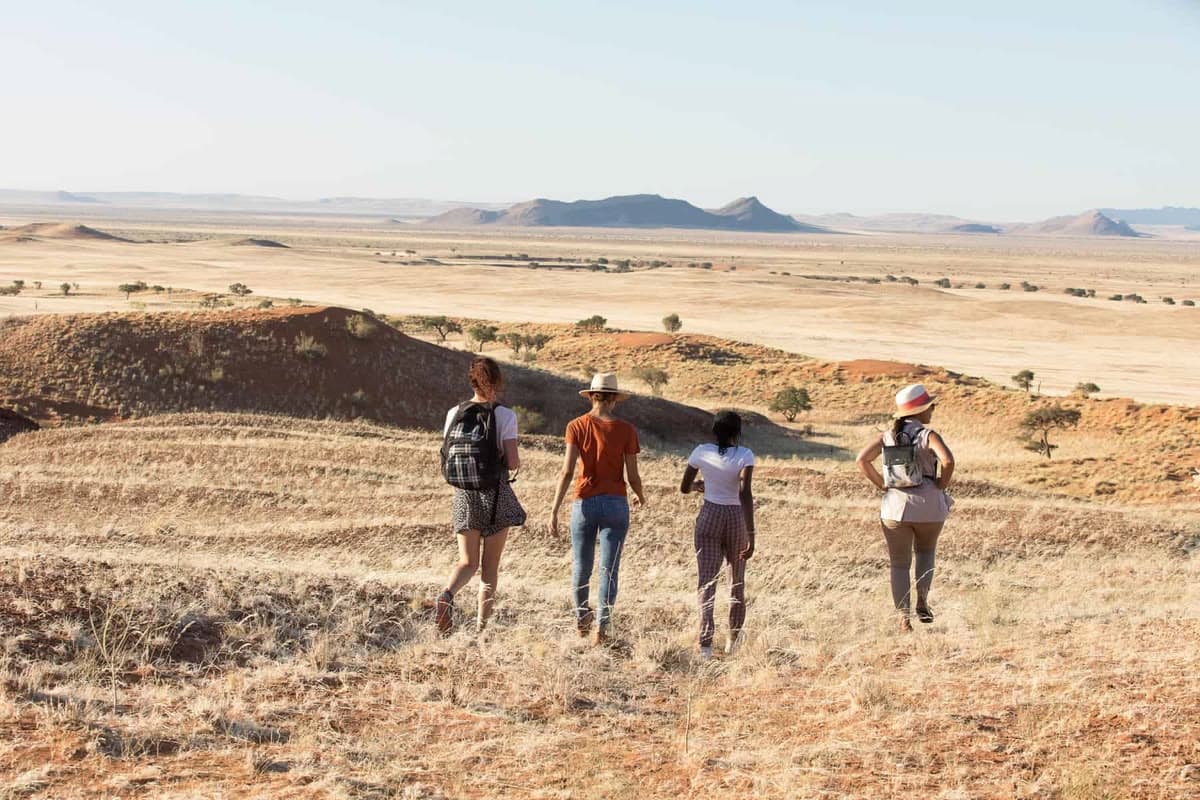
Starting a tour guiding business in Namibia can be profitable if you build around the country’s natural attractions, cultural experiences, wildlife destinations and growing demand for personalised travel.
You do not necessarily need to own a fleet of vehicles or a luxury lodge to get started. You can begin with a specialised tour experience, work with registered transport providers and accommodation businesses, and gradually expand as bookings increase.
Namibia offers opportunities for entrepreneurs interested in desert tours, wildlife viewing, cultural experiences, photography trips, city tours, adventure travel and customised itineraries.
However, success depends on more than attracting tourists. You need a clear niche, reliable partnerships, appropriate registration, good customer service, strong marketing and careful financial planning.
Why Namibia Is a Good Destination for a Tour Guiding Business
Namibia attracts visitors looking for wide-open landscapes, wildlife, desert experiences, cultural encounters and relatively uncrowded travel destinations.
Its tourism appeal includes:
- The Namib Desert and Sossusvlei.
- Etosha National Park and wildlife viewing.
- Swakopmund’s coastal and adventure activities.
- Skeleton Coast landscapes.
- Damaraland’s scenery and wildlife.
- Windhoek’s urban, cultural and historical attractions.
- Community-based tourism experiences.
- Photography, camping and road-trip adventures.
These destinations create opportunities for tour guides to serve different types of travellers.
Your brand here. Reach a focused African audience.
Partner with Anttention Media Africa across high-trust business and tech reporting.
Advertise with usSome tourists want a luxury experience with private transport and accommodation. Others want budget-friendly adventures, cultural activities or small-group tours.
The key is to identify the type of visitor you want to serve rather than trying to offer every tourism service from the beginning.
1. Choose a Tour Guiding Business Niche
A specialised business is often easier to market than one offering everything.
Start by identifying the experience you can deliver well, the customers you want to attract and the resources required.
| Tour business idea | Target customers | Potential selling point |
|---|---|---|
| Windhoek city tours | First-time visitors, business travellers | History, local culture and city orientation |
| Desert excursions | Adventure tourists, photographers | Landscapes, sunrise and sunset experiences |
| Wildlife tours | Nature lovers, international visitors | Responsible wildlife viewing |
| Cultural tours | Travellers interested in local communities | Authentic, respectful cultural experiences |
| Photography tours | Photographers, content creators | Scenic locations and photography guidance |
| Food tours | Visitors interested in local cuisine | Traditional foods and local businesses |
| Camping and road-trip tours | Budget travellers and adventure groups | Flexible itineraries and outdoor experiences |
| Private customised tours | Couples, families and small groups | Personalised travel and flexible scheduling |
Which niche should you choose?
Consider your location, experience, language skills, access to attractions, transportation options and customer demand.
If you live in Windhoek, city tours and day trips may be easier to organise initially than multi-day desert safaris requiring vehicles, accommodation and significant operating capital.
If you have knowledge of local history, culture, wildlife or photography, that knowledge could become your competitive advantage.
2. Research Your Target Market
Before investing in equipment or advertising, find out who is likely to pay for your experience.
Your potential customers may include:
- International tourists visiting Namibia.
- Domestic travellers exploring their own country.
- Families travelling during school holidays.
- Couples seeking private experiences.
- Adventure tourists.
- Photography enthusiasts.
- Corporate visitors.
- Travel agencies and tour operators looking for local guides.
Research existing tour businesses and compare their offers.
Look at:
- What tours they provide.
- How long each tour lasts.
- What their prices include.
- Their customer reviews.
- Their target market.
- Their booking process.
- The languages they offer.
- Their transport and accommodation arrangements.
Do not simply copy competitors. Look for an underserved audience or an experience you can deliver better.
For example, instead of advertising a general Windhoek city tour, you could offer a small-group historical walking tour, a food-focused city experience or an itinerary designed specifically for photographers.
3. Create a Tour Package People Want to Buy
Customers are more likely to book when they understand exactly what they are paying for.
Avoid vague descriptions such as “Explore Namibia with us.”
Instead, create a package with a clear itinerary, duration, inclusions, exclusions, meeting point, group size and price.
Example: Windhoek Cultural and City Experience
| Package detail | Example |
|---|---|
| Duration | 3–4 hours |
| Target customers | First-time visitors |
| Group size | 2–8 guests |
| Experience | City highlights, history and cultural context |
| Included | Guide, itinerary and agreed stops |
| Optional extras | Food tasting or paid attractions |
| Transport | Walking or partner vehicle, depending on itinerary |
| Booking | Advance booking with confirmed meeting point |
The package should be easy to understand and easy to book.
You can start with one or two experiences, test demand and improve them using customer feedback.
4. Register Your Business and Understand Tourism Requirements
One of the most important steps is ensuring your business is properly registered and complies with Namibia’s tourism requirements.
Depending on the services you offer, you may need registration with the Namibia Tourism Board (NTB) under the appropriate tourism business category.
The NTB distinguishes among tourism businesses such as:
- Tour and safari operators.
- Tour facilitators.
- Activity operators.
- Shuttle and transport operators.
- Booking agents.
- Vehicle rental operators.
Your business model matters.
A guide offering walking tours may have different requirements from a company organising multi-day safaris, arranging accommodation and transporting visitors.
General business setup steps
- Register your business with the Business and Intellectual Property Authority (BIPA).
- Identify the correct tourism registration category.
- Contact the Namibia Tourism Board to confirm the current requirements.
- Obtain relevant local authority approvals where required.
- Register for applicable tax requirements with the Namibia Revenue Agency (NamRA).
- Complete relevant Social Security registration and obligations.
- Arrange appropriate insurance.
- Confirm vehicle, transport and safety requirements before transporting paying tourists.
- Obtain relevant qualifications, training and first-aid certification where required.
Do not assume that registering a company automatically authorises you to operate tours.
Official starting points:
- Namibia Tourism Board – Registration Forms
- Namibia Tourism Board
- Business and Intellectual Property Authority (BIPA)
- Namibia Revenue Agency (NamRA)
Confirm current requirements, documents, fees and timelines directly with the relevant authorities before investing heavily.
5. Decide Whether You Need a Vehicle
Transportation can be one of the most expensive parts of a tour guiding business.
A suitable vehicle may be required for some experiences, especially trips involving remote areas, rough roads, wildlife destinations or multi-day itineraries.
However, buying a vehicle immediately may not be financially wise.
Three ways to handle transportation
Option 1: Start with walking tours
If your experience takes place within a city or a suitable local area, you may be able to start with a walking-based product.
This can reduce startup costs while allowing you to test customer demand.
Option 2: Partner with registered transport providers
Work with established transport or tour businesses to provide vehicles when needed.
Agree on pricing, availability, responsibilities, passenger safety, insurance and cancellation arrangements before accepting bookings.
Option 3: Purchase a vehicle later
Consider buying a vehicle when you have reliable demand, sufficient capital and a clear understanding of the operating costs.
Remember that owning a vehicle involves more than the purchase price. Budget for maintenance, fuel, tyres, insurance, licences, repairs, cleaning and downtime.
6. Build Partnerships That Bring Customers
A tour guiding business does not have to generate every booking independently.
Partnerships can help you reach travellers already looking for experiences.
Potential partners include:
- Hotels and guesthouses.
- Lodges and campsites.
- Travel agencies.
- Registered tour operators.
- Restaurants.
- Local tourism businesses.
- Event organisers.
- Photography communities.
- Cultural organisations.
- Car rental businesses.
Approach partners with a clear proposal.
Explain what your experience offers, who your customers are, how long it lasts, what it costs and how the partnership would work.
You could agree on a referral fee, a wholesale rate or a mutually beneficial arrangement. Put the terms in writing to avoid misunderstandings.
A reliable partnership can be more valuable than spending heavily on advertising.
7. Price Your Tours Properly
Many small tourism businesses make the mistake of setting prices based only on what competitors charge.
Your price should reflect your costs, time, expertise, customer value and the number of people you can serve.
Example pricing calculation
Imagine you are organising a half-day tour for four guests.
| Expense | Example cost |
|---|---|
| Transport partnership | N$1,200 |
| Guide’s time | N$800 |
| Entry fees | N$400 |
| Refreshments | N$200 |
| Marketing and administration | N$200 |
| Total cost | N$2,800 |
If you charge N$900 per guest:
- Total revenue: N$3,600
- Estimated expenses: N$2,800
- Remaining amount: N$800
This is an illustrative example only, not a market rate or guaranteed profit.
Your actual pricing must account for payment fees, taxes, insurance, unexpected costs, equipment, cancellations and the time spent preparing and managing bookings.
If you have only two guests instead of four, your revenue changes significantly. Therefore, calculate a minimum booking size or a minimum tour price that protects your business.
8. Market Your Tour Guiding Business Online
Tourists often research destinations and experiences online before they arrive.
Your business needs a professional digital presence that helps potential customers trust you and book easily.
Start with these marketing channels
Google Business Profile
If eligible, create a profile with your business name, service area, contact details, photos, booking information and customer reviews.
Use short videos and high-quality photographs to showcase your experiences.
Content ideas include:
- Beautiful destinations.
- Behind-the-scenes preparations.
- What customers can expect.
- Local culture and history.
- Wildlife and landscapes.
- Customer testimonials, with permission.
TikTok
Create short educational and entertaining videos about Namibia’s attractions, travel tips, local customs and experiences.
Website
A simple website should include:
- Your tour packages.
- Prices or starting prices.
- Duration.
- What’s included.
- What’s excluded.
- Your contact details.
- Booking instructions.
- Cancellation policy.
- Frequently asked questions.
- Customer testimonials.
Online travel marketplaces
Investigate platforms that connect tourists with guides and experiences. Review their commissions, payment terms, eligibility requirements and cancellation policies before joining.
9. Deliver an Experience Customers Will Recommend
Tour guiding is a service business. Your customers are not only paying to visit a destination; they are paying for your knowledge, organisation, safety, hospitality and the experience you create.
A good tour guide should:
- Arrive on time.
- Communicate clearly.
- Understand the itinerary.
- Know the destination.
- Respect local communities.
- Prioritise customer safety.
- Be honest about limitations.
- Avoid misleading wildlife or cultural claims.
- Adapt when reasonable circumstances change.
- Follow up after the experience.
Customer reviews can influence future bookings. Ask satisfied customers to leave honest reviews and provide feedback.
Never purchase fake reviews or pressure customers into giving positive ratings.
10. Create a Safety and Emergency Plan
Safety is particularly important when tours involve remote areas, wildlife, outdoor activities or long-distance travel.
Before each tour:
- Confirm weather conditions.
- Check the route.
- Ensure the vehicle is suitable and roadworthy.
- Carry appropriate emergency supplies.
- Have a communication plan.
- Know the nearest emergency services or medical facilities.
- Understand the risks associated with the activity.
- Ensure required first-aid qualifications and insurance are in place.
For remote trips, customers should know the itinerary, expected return time, contact arrangements and what they should bring.
Safety procedures should be part of your business from day one, not something you introduce after an incident.
11. How Much Money Do You Need to Start?
Startup capital depends heavily on the type of experience you are offering.
A walking tour requires significantly fewer resources than a multi-day safari operation.
Possible startup expenses
| Expense | Walking tour | Vehicle-based tours |
|---|---|---|
| Business registration | Required where applicable | Required where applicable |
| Tourism registration | Depends on category | Depends on category |
| Training and certification | Relevant training | Relevant training and safety qualifications |
| Insurance | Appropriate cover | Appropriate cover, including vehicle/passenger risks |
| Marketing | Website and social media | Website, bookings and promotional materials |
| Equipment | Basic supplies | Vehicle, safety and travel equipment |
| Transport | Limited or none | Major operating cost |
| Working capital | Lower | Higher |
You can reduce financial risk by starting with a smaller experience, partnering with existing operators and avoiding unnecessary equipment purchases.
Do not spend money on a luxury office or expensive branding before you have tested whether customers are willing to pay for your tour.
12. A 90-Day Plan for Launching Your Tour Business
1–30: Research and planning
- Choose your tour niche.
- Identify your target customer.
- Research competitors.
- Speak to potential customers and tourism partners.
- Create one tour package.
- Estimate operating costs.
- Contact the NTB regarding the applicable requirements.
31–60: Setup and testing
- Complete the required business registration.
- Confirm tourism registration and applicable approvals.
- Establish transport or accommodation partnerships if necessary.
- Develop your itinerary.
- Create your online presence.
- Test your experience with a small group where legally permitted.
- Collect feedback and improve.
61–90: Launch and marketing
- Publish your booking information.
- Begin promoting your experience.
- Contact hotels and travel partners.
- Create regular social media content.
- Collect genuine customer testimonials.
- Review costs and booking conversion.
- Improve your tour based on customer feedback.
Turn Namibia’s Tourism Opportunities Into a Business
Namibia offers opportunities for entrepreneurs who understand the country’s attractions and are willing to deliver dependable, well-organised experiences.
You do not need to start with the biggest tour company. You can begin with one specialised experience, establish partnerships, build a reputation and expand gradually.
The most important foundations are choosing a clear niche, meeting the relevant requirements, pricing your tours correctly, prioritising safety and giving customers a reason to recommend you.
A profitable tour guiding business is built not only on beautiful destinations but on trust, organisation, service quality and the ability to create experiences people remember.
Frequently Asked Questions
1. Do I need a licence to start a tour guiding business in Namibia?
Depending on your business activities, you may need registration with the Namibia Tourism Board under the applicable tourism business category. Confirm your specific requirements with the NTB before operating.
2. Can I start a tour guiding business without owning a vehicle?
Yes, depending on your tour model. Walking tours, local experiences and partnerships with registered transport providers may allow you to begin without purchasing a vehicle.
3. Is tour guiding profitable in Namibia?
It can be profitable, but profitability depends on customer demand, pricing, operating costs, seasonality, competition, customer satisfaction and the number of bookings you receive. There is no guaranteed income.
4. What type of tour guiding business can I start with little capital?
Walking tours, cultural experiences, city tours and specialised experiences that require limited equipment may be more affordable to start. You should still verify registration, safety and other legal requirements.
5. How do I attract international tourists to my tour business?
Build a professional website, use high-quality photographs and videos, maintain accurate online listings, collect genuine reviews, partner with accommodation businesses and travel agencies, and make your booking process simple and trustworthy.

Comments (0)
No comments yet. Be the first to share your perspective!