
Bulk Buying and Food Security Solutions
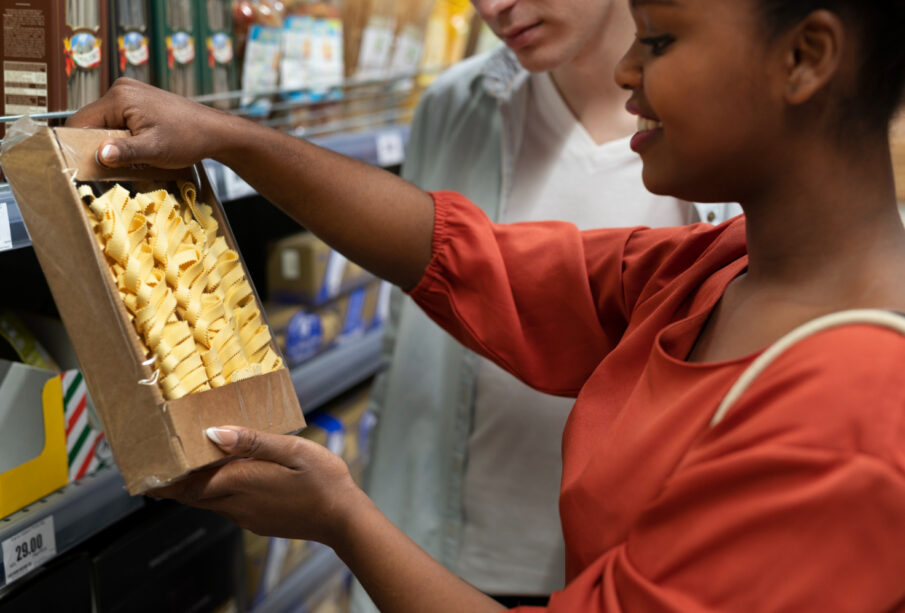
Food security remains one of the most pressing global challenges, especially in rapidly growing urban regions where inflation, supply chain disruptions, and population pressure affect access to affordable food.
One increasingly practical and accessible solution is bulk buying, a strategy that helps households, communities, and institutions reduce costs, minimize waste, and improve food availability over time. When properly organized, bulk buying is more than a money-saving tactic, it becomes a tool for strengthening food systems and improving resilience against shortages and price volatility.
Understanding Food Security in Today’s World
Food security exists when all people, at all times, have physical and economic access to sufficient, safe, and nutritious food. However, this balance is often threatened by factors such as climate change, economic instability, conflict, and inefficient supply chains.
Global organizations like the Food and Agriculture Organization continuously report that millions of people still struggle with consistent access to food. Similarly, the World Food Programme highlights how hunger is often driven not just by scarcity, but by distribution challenges and rising costs that make food unaffordable for vulnerable populations.
In this context, bulk buying becomes a practical household-level response to a much larger systemic issue.
What Is Bulk Buying?
Bulk buying refers to purchasing food items in large quantities at once, often at discounted rates. This approach is commonly used by:
- Families pooling resources together
- Cooperative groups and community associations
- Small retailers and food vendors
- Institutions such as schools, restaurants, and religious organizations
The goal is simple: reduce unit cost and improve long-term access to essential food items.
How Bulk Buying Improves Food Security
1. Reduces Food Costs
Buying in larger quantities often lowers the price per unit. For families managing tight budgets, this allows more efficient spending and frees up income for other essential needs.
2. Minimizes Market Fluctuation Risks
Food prices can change rapidly due to inflation or supply shortages. Bulk buying helps households lock in prices before increases occur, offering financial stability.
3. Improves Household Preparedness
Having staple foods like rice, beans, oil, and grains stored in advance reduces dependence on daily market visits and protects families during shortages or emergencies.
4. Reduces Transportation Costs
Frequent trips to markets increase transport expenses. Bulk purchasing reduces the number of trips, saving both money and time.
5. Encourages Community Cooperation
In many communities, bulk buying is done collectively. This strengthens social ties and allows groups to negotiate better prices directly with wholesalers.
Practical Bulk Buying Strategies
Plan Around Consumption Patterns
Before buying in bulk, households should understand how much food they consume weekly or monthly. This prevents over-purchasing and food spoilage.
Focus on Non-Perishables First
Staples such as rice, beans, garri, pasta, flour, and canned goods are ideal for bulk storage because they last longer.
Use Proper Storage Methods
Food security is not just about buying, it is also about preservation. Airtight containers, dry storage spaces, and moisture control help reduce spoilage and pest infestation.
Join Buying Cooperatives
Community cooperatives or savings groups can combine funds to purchase directly from wholesalers, reducing middlemen costs.
Track Prices and Seasons
Buying during harvest seasons or market surplus periods ensures better pricing and higher quality produce.
Bulk Buying and Urban Food Challenges
In cities like Lagos, where demand is high and supply chains are often stretched, bulk buying provides a buffer against daily price fluctuations. Urban households especially benefit because they face higher transportation costs and unpredictable market pricing.
By planning ahead and purchasing in bulk, families can reduce their exposure to sudden market shocks while maintaining a steady food supply.
Limitations of Bulk Buying
While effective, bulk buying also has challenges:
- Requires upfront capital
- Risk of food spoilage if storage is poor
- Limited flexibility for changing dietary needs
- Space constraints in small homes
These limitations highlight the importance of planning and proper storage systems.
Conclusion
Bulk buying is a practical and scalable solution to improving food security at the household and community level. While it does not replace broader agricultural and economic reforms, it empowers individuals to better manage costs, reduce waste, and prepare for uncertainty.
When combined with education, cooperation, and smart storage practices, bulk buying becomes a powerful tool for building more resilient food systems, especially in regions facing rising food prices and urban population growth.



Leave a reply




Africa’s Source for Breaking News | Entertainments | Health | Finance | Sports | Lifestyle and Business News.


