
Bulk Buying for Large Households

Managing a large household can feel like a constant balancing act between meeting everyone’s needs and keeping expenses under control.
One of the most effective strategies for saving both time and money is bulk buying. When done right, it reduces frequent shopping trips, minimizes costs, and ensures your home is always well-stocked. However, it also requires planning, discipline, and smart decision-making.
Why Bulk Buying Works
For large families, consumption rates are naturally higher. Items like rice, beans, toiletries, and cleaning supplies run out quickly. Buying these in small quantities often leads to higher costs over time. Bulk purchasing, on the other hand, allows households to take advantage of lower unit prices, discounts, and wholesale deals.
Additionally, bulk buying reduces the stress of last-minute shopping. Instead of rushing to the store every few days, families can focus on other priorities, knowing that essentials are already available at home.
Planning Is Key
Successful bulk buying starts with a clear plan. Without one, it’s easy to overspend or buy items that go to waste. Begin by identifying frequently used items in your household. These typically include staple foods, cooking ingredients, hygiene products, and cleaning supplies.
Create a monthly or bi-monthly shopping list based on your household’s consumption patterns. Tracking usage over time helps you estimate how much of each item you truly need, preventing both shortages and excess.
Choosing the Right Items
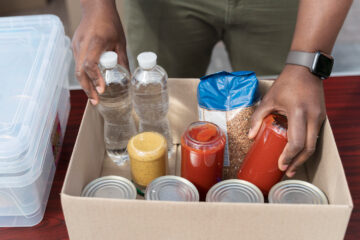
Not everything should be bought in bulk. Focus on non-perishable goods or items with long shelf lives. Dry foods such as grains, pasta, and canned goods are excellent choices. Household essentials like soap, tissue paper, and detergent are also ideal for bulk purchasing.
Perishable items require more caution. While it may be tempting to buy large quantities of fresh produce or dairy products, improper storage can lead to spoilage. If you choose to buy perishables in bulk, ensure you have proper refrigeration or preservation methods in place.
Storage Solutions
Bulk buying only works if you have adequate storage. Large households should invest in proper storage systems such as airtight containers, shelving units, and labeled bins. These not only keep items fresh but also make it easier to organize and access supplies.
For food items, proper storage helps prevent contamination and pest infestations. Labeling containers with purchase dates can also help ensure that older items are used first, reducing waste.
Budgeting and Cost Control
While bulk buying can save money, it can also lead to overspending if not managed carefully. Set a budget before shopping and stick to it. Compare prices across different vendors to ensure you are getting the best deals.
It’s also helpful to calculate the unit price of items rather than just looking at the total cost. Sometimes, a bulk package may seem cheaper but may not offer the best value per unit.
Coordinating with Household Members
In large households, communication is essential. Ensure that everyone is aware of what has been purchased in bulk to avoid duplicate buying. Assigning responsibility for inventory management can also help keep track of supplies and prevent shortages.
Reducing Waste
One of the biggest risks of bulk buying is waste. To avoid this, practice proper portioning and meal planning. Plan meals around items you already have, especially those nearing expiration.
Creative use of leftovers can also go a long way in minimizing waste. For example, unused vegetables can be turned into soups or stews, while excess grains can be stored for future use.
Leveraging Group Buying
Another effective strategy is group buying. Partnering with friends, neighbors, or extended family members allows you to access wholesale deals without bearing the full cost or storage burden alone. This approach is especially useful for items that are too large or expensive for a single household to manage.
Final Thoughts
Bulk buying is a powerful tool for large households looking to save money, reduce stress, and stay organized. With proper planning, smart purchasing decisions, and effective storage, it can transform the way a household operates.
The key is balance, buy enough to benefit from savings, but not so much that it leads to waste. When done thoughtfully, bulk buying becomes more than just a shopping strategy; it becomes a lifestyle that supports efficiency and financial stability.



Leave a reply




Africa’s Source for Breaking News | Entertainments | Health | Finance | Sports | Lifestyle and Business News.


