
Causes and Effects of Climate Change
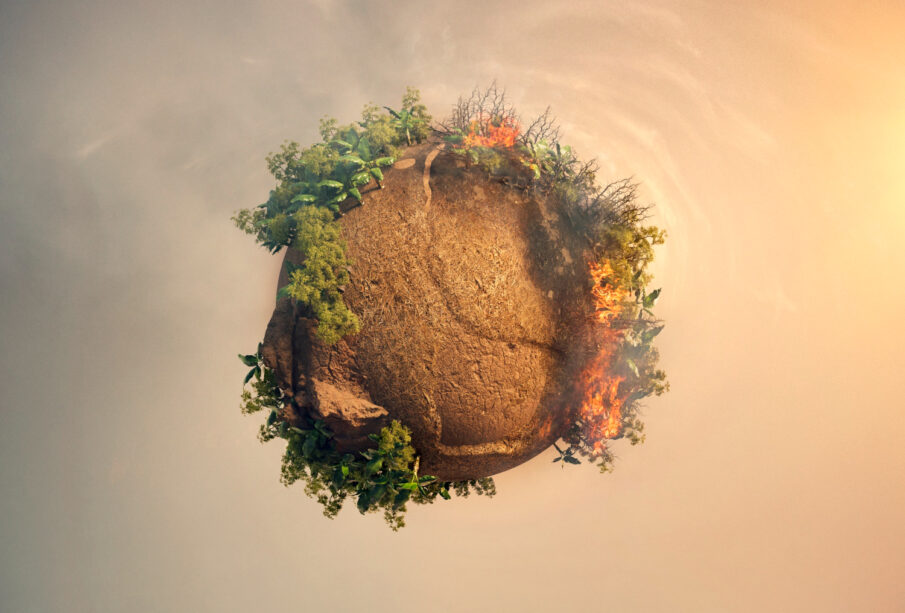
Causes and Effects of Climate Change: How Human Choices Are Reshaping Our Planet
On a hot afternoon, when the air feels heavier than it used to and the rains arrive later than expected, many people sense that something has changed. Climate change is no longer a distant scientific concept discussed only in laboratories and conferences—it is woven into everyday experiences, from failed harvests to rising food prices and extreme weather.
At its core, climate change is about balance: how small shifts in the Earth’s systems, driven largely by human activity, are producing large and lasting consequences.
What Is Climate Change?
Climate change refers to long-term changes in temperature, rainfall patterns, and weather extremes across the Earth. While the planet’s climate has always changed naturally over thousands of years, the current pace of change is unusually fast.
Scientists agree that this acceleration is largely caused by human activities that release greenhouse gases into the atmosphere, trapping heat and warming the planet.
The Greenhouse Effect: A Blanket Around the Earth
The Earth naturally stays warm thanks to a process called the greenhouse effect. Gases like carbon dioxide and methane act like a blanket, trapping some of the sun’s heat and keeping the planet habitable. The problem arises when human activities add too much of these gases into the atmosphere. The blanket becomes thicker, trapping excess heat and disturbing natural systems that once operated in balance.
Major Causes of Climate Change
1. Burning of Fossil Fuels
Coal, oil, and gas power homes, vehicles, and industries around the world. When these fuels are burned, they release large amounts of carbon dioxide. From electricity generation to daily transportation, fossil fuel use is the largest contributor to global warming.
2. Deforestation and Land Degradation
Trees act as natural carbon absorbers, pulling carbon dioxide from the air. When forests are cleared for farming, logging, or urban expansion, that stored carbon is released back into the atmosphere. Deforestation not only increases greenhouse gases but also disrupts rainfall patterns and reduces biodiversity.
3. Agriculture and Livestock
Modern agriculture produces greenhouse gases in several ways:
-
Livestock release methane during digestion
-
Fertilizers emit nitrous oxide
-
Land clearing for farming reduces carbon storage
These emissions add significantly to global warming, especially as food demand rises.
4. Industrial Activities and Waste
Factories emit greenhouse gases during production, while landfills release methane as organic waste decomposes. Poor waste management worsens the problem, particularly in rapidly growing urban areas.
Effects of Climate Change on the Planet
1. Rising Temperatures and Heatwaves
Average global temperatures are increasing, leading to more frequent and intense heatwaves. These conditions affect human health, reduce productivity, and increase the risk of wildfires.
2. Changing Rainfall Patterns
Some regions experience heavier rainfall and flooding, while others face prolonged droughts. These shifts disrupt farming cycles, threaten food security, and strain water supplies.
3. Melting Ice and Rising Sea Levels
As polar ice and glaciers melt, sea levels rise. Coastal communities face erosion, flooding, and saltwater intrusion into freshwater sources, forcing some populations to relocate.
4. Threats to Ecosystems and Wildlife
Many plants and animals struggle to adapt quickly to changing climates. Coral reefs bleach under warmer oceans, and species lose habitats as temperatures shift beyond their tolerance limits.
5. Economic and Social Impacts
Climate change affects livelihoods, especially those dependent on natural resources. Farmers, fishers, and rural communities often face crop losses, reduced income, and increased poverty.
Extreme weather events also place pressure on infrastructure, healthcare systems, and emergency services.
Climate Change and Human Responsibility
While climate change is a global issue, its impacts are not evenly shared. Communities with fewer resources often suffer the most, despite contributing the least to the problem.
This reality raises important ethical questions about responsibility, equity, and the need for collective action.
What Can Be Done?
Addressing climate change requires both large-scale policy changes and everyday actions:
-
Transitioning to renewable energy
-
Protecting and restoring forests
-
Improving waste management
-
Adopting climate-smart agriculture
-
Reducing energy consumption
Small actions, when multiplied across millions of people, can drive meaningful change.
Final Thoughts
Climate change is not just a scientific issue,it is a human story. It is about how our choices shape the air we breathe, the food we grow, and the future we leave behind.
Understanding the causes and effects of climate change empowers us to act, not out of fear, but out of responsibility and hope. The science is clear, but the next chapter is still being written, by all of us.


Leave a reply







Africa’s Source for Breaking News | Entertainments | Health | Finance | Sports | Lifestyle and Business News.


