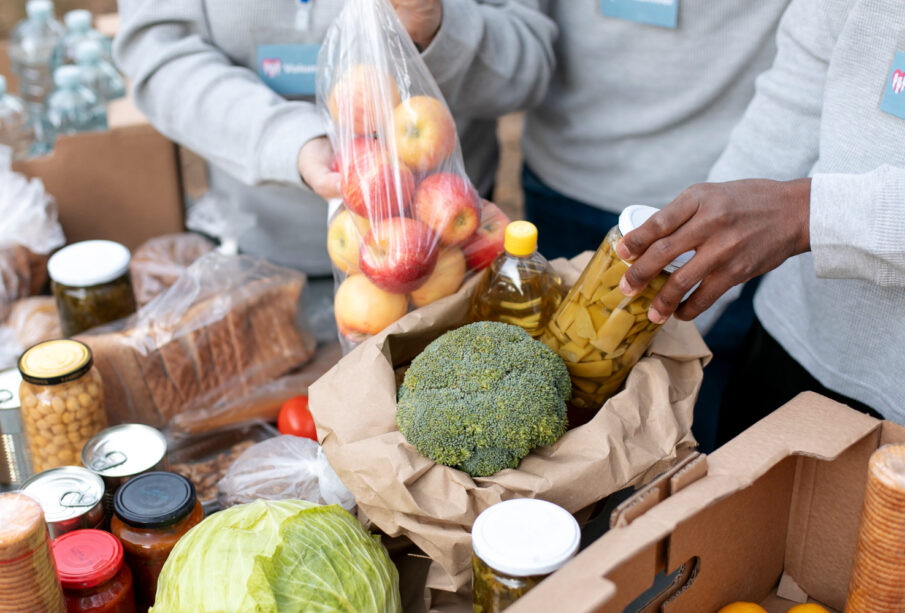
Community bulk buying models are becoming an increasingly popular way for people to reduce the cost of everyday goods while strengthening cooperation within neighborhoods.
Instead of individuals purchasing items separately at retail prices, groups of people combine their purchasing power to buy products in large quantities directly from wholesalers or producers. This collective approach can significantly lower prices, reduce waste, and create stronger community connections.
What Is Community Bulk Buying?
Community bulk buying is a system in which a group of individuals, often neighbors, friends, or members of an organization, pool their resources to purchase goods in large quantities. These goods are then divided among participants according to their contributions. The items typically include food staples such as rice, beans, cooking oil, flour, and household essentials.
Because wholesalers offer lower prices for large purchases, each member of the group ends up paying less than they would in a traditional retail store.
How Community Bulk Buying Works
The process usually follows a simple structure:
-
Group Formation
A group of individuals decides to collaborate on purchasing certain products in bulk.
-
Demand Collection
Each member indicates the quantity of items they want to purchase.
-
Bulk Order Placement
The group places a large order directly with a wholesaler or distributor.
-
Cost Sharing
Members pay their share based on the quantity they requested.
-
Distribution
Once the goods arrive, the items are divided among participants.
This system can operate informally among neighbors or be organized through cooperatives, community groups, or digital platforms.
Advantages of Community Bulk Buying
Lower Costs
Buying in large quantities allows communities to access wholesale pricing. This is particularly helpful for families trying to manage rising living costs.
Stronger Community Bonds
Bulk buying encourages collaboration and trust among participants. People work together to plan purchases and share responsibilities.
Reduced Packaging Waste
Bulk purchases often come with less packaging compared to individually packaged retail items, making the model more environmentally friendly.
Increased Food Security
Communities can ensure reliable access to essential goods by organizing regular bulk purchases.
Common Community Bulk Buying Models
Informal Neighborhood Groups
Friends, families, or neighbors coordinate purchases through messaging apps or local meetings.
Cooperative Buying Clubs
Members contribute small fees to support organized purchasing operations, often with designated coordinators.
Digital Group Purchasing Platforms
Online platforms allow users to join group purchases and receive discounts once a minimum number of buyers participate.
Challenges of Bulk Buying
Despite its advantages, community bulk buying also presents some challenges:
-
Storage requirements for large quantities of goods
-
Coordination difficulties when managing multiple participants
-
Trust issues related to money handling or distribution
-
Logistics for transportation and packaging
Effective communication and clear planning are essential for overcoming these challenges.
Community Bulk Buying in Developing Economies
In many developing regions, community bulk buying already exists informally through cooperative markets, rotating savings groups, and neighborhood purchasing arrangements. These systems help households cope with fluctuating prices and limited income by sharing costs and resources.
As digital tools become more accessible, many communities are beginning to combine traditional cooperation with online coordination, making group purchasing even more efficient.
The Future of Community Bulk Buying
The future of community bulk buying looks promising. Rising living costs and growing interest in cooperative economic models are encouraging more people to explore collective purchasing strategies. Technology is also playing an important role, with mobile apps and social media making it easier to organize group orders.
Community bulk buying demonstrates that cooperation can be a powerful economic tool. By working together, individuals can lower costs, reduce waste, and build stronger, more resilient communities.
Conclusion
Community bulk buying models highlight the value of collaboration in everyday life. By pooling resources and purchasing goods collectively, communities can achieve significant financial savings while strengthening social connections. As more people discover the benefits of collective purchasing, these models may continue to grow as practical solutions for managing household expenses and promoting community resilience.