
Desert Survival Lessons From Nature
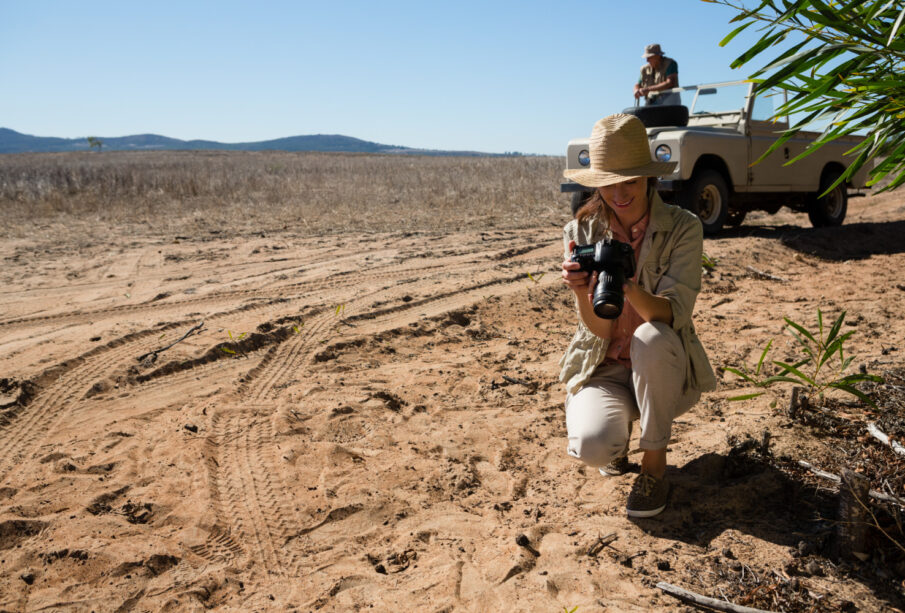
Deserts are among the harshest environments on Earth, defined by scorching daytime heat, freezing nights, scarce water, and limited shelter.
Yet despite these extremes, countless plants and animals not only survive but thrive. By observing how nature adapts to desert life, we can uncover powerful survival strategies that apply not just to wilderness scenarios, but also to everyday resilience and problem-solving.
1. Master the Art of Water Conservation
One of the most critical lessons from desert life is efficient water use. Animals like the camel can go days without drinking, thanks to their ability to store fat (not water) in their humps and minimize moisture loss. Similarly, plants such as the cactus store water in thick stems and have spines instead of leaves to reduce evaporation.
Lesson: Use resources wisely. Whether it’s water, energy, or finances, conservation ensures survival during scarcity.
2. Adapt to Your Environment
The fennec fox thrives in desert conditions with its large ears, which help dissipate heat, and its nocturnal lifestyle that avoids the sun’s intensity. Likewise, many desert plants grow low to the ground to reduce exposure to harsh winds and sun.
Lesson: Success often comes from adapting rather than resisting. Flexibility in behavior and mindset can help you navigate challenging conditions.
3. Timing Is Everything
In deserts, survival often depends on when, not just how, you act. Many creatures are nocturnal, emerging only when temperatures drop.
For instance, reptiles like the sidewinder rattlesnake move during cooler hours to conserve energy and avoid overheating.
Lesson: Choose the right timing for action. Knowing when to move, rest, or act can make all the difference in high-pressure situations.
4. Seek Shelter and Shade
Desert animals instinctively seek shelter during the hottest parts of the day. Burrowing animals escape heat by going underground, where temperatures are more stable. Even the meerkat uses lookout systems to balance safety and exposure while living in harsh climates.
Lesson: Rest and recovery are not weaknesses, they are essential strategies. Protecting yourself from burnout ensures long-term survival and productivity.
5. Store Energy for Tough Times
Desert environments are unpredictable. Food can be scarce, so animals often store energy efficiently. Camels, again, are a great example, but even smaller creatures like desert rodents hoard food.
Lesson: Prepare for uncertainty. Save when you have abundance so you can endure when resources are limited.
6. Camouflage and Awareness
Blending into the environment is a key survival tactic. The horned lizard uses its coloration to hide from predators, while also staying alert to threats.
Lesson: Awareness is survival. Staying observant and adaptable helps you avoid unnecessary risks.
7. Work With Nature, Not Against It
Desert plants don’t fight the sun, they evolve to use it. Some species open their pores only at night to reduce water loss, a process known as Crassulacean Acid Metabolism.
Lesson: Align your strategies with your environment. Fighting reality wastes energy; working with it creates efficiency and balance.
8. Small Changes Make Big Differences
Tiny adaptations can lead to major survival advantages. For example, a waxy coating on plant leaves reduces water loss, and light-colored fur reflects sunlight.
Lesson: Incremental improvements matter. Small, consistent adjustments can dramatically improve your chances of success over time.
Conclusion
Nature is the ultimate survival expert, and deserts are its toughest classroom. From conserving resources to adapting behavior and timing actions wisely, the lessons found in desert ecosystems go far beyond survival, they teach resilience, efficiency, and strategic thinking.
In a world that often feels unpredictable and demanding, perhaps the smartest move is to think like the desert’s most successful survivors: adapt, conserve, and thrive—no matter how harsh the conditions.



Leave a reply







Africa’s Source for Breaking News | Entertainments | Health | Finance | Sports | Lifestyle and Business News.


