
Entertainment Trends That Shaped Generations
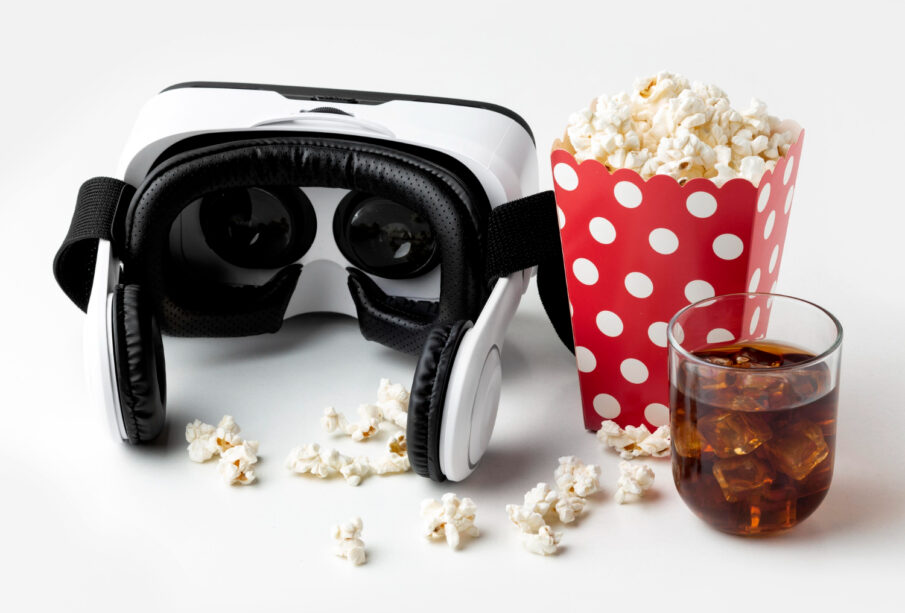
Entertainment has never been static. Instead, it evolves with technology, culture, and audience behavior.
Over the decades, each generation has experienced unique entertainment trends that shaped how people relax, connect, and express themselves. From radio dramas to short-form videos, these shifts reveal not just changes in media but also changes in society itself.
The Era of Radio and Early Television
Before the internet, radio dominated home entertainment. Families gathered around radios for news, music, and serialized dramas. Because it was audio-only, listeners imagined characters and scenes, which made storytelling deeply personal.
Soon after, television transformed entertainment entirely. Black-and-white screens brought moving images into living rooms, and later color TV made the experience even more immersive. Shows became shared cultural moments, and families often scheduled their evenings around broadcasts. As a result, television became a unifying force across generations.
The Rise of Cable TV and Music Channels
As technology improved, cable television expanded entertainment options. Viewers no longer depended on limited national broadcasts. Instead, they could choose from hundreds of channels.
During this period, music television became a cultural powerhouse. Platforms like MTV reshaped how people consumed music by introducing music videos as a core art form. Artists were no longer just heard—they were seen, styled, and marketed visually. Consequently, pop culture became more global, fast-moving, and image-driven.
The Digital Revolution and the Internet Boom
The internet changed everything. Suddenly, entertainment moved from scheduled programming to on-demand access. People no longer waited for specific times to watch shows or listen to music.
Platforms like YouTube revolutionized content creation by allowing anyone to upload videos and reach global audiences. This shift empowered independent creators and gave rise to a new digital economy.
At the same time, online forums, blogs, and early streaming services changed how audiences discovered entertainment. Instead of relying on television networks, users began curating their own media experiences.
Streaming Services Redefine Viewing Habits
The introduction of streaming platforms marked another major turning point. Services like Netflix changed how people consume movies and series by offering entire seasons at once. This led to the rise of “binge-watching,” where viewers consume multiple episodes in one sitting.
Because of this shift, storytelling also evolved. Writers began crafting longer, more complex narratives designed for continuous viewing rather than weekly episodes. Moreover, streaming removed geographical barriers, allowing global content to reach wider audiences than ever before.
Social Media and Short-Form Entertainment
In recent years, social media has become the dominant entertainment force. Platforms like TikTok have completely changed attention spans and content styles. Instead of long videos, users now consume short, fast-paced clips that deliver instant engagement.
This trend has influenced music, advertising, and even film production. Songs often go viral through short clips, while brands design content specifically for quick consumption. Additionally, creators can now gain fame overnight, which was nearly impossible in earlier generations.
Meanwhile, YouTube continues to thrive by bridging long-form and short-form content, giving creators flexibility to experiment with different formats.
The Music Streaming Era
Music consumption has also transformed significantly. Instead of purchasing albums, audiences now rely on streaming platforms like Spotify. Playlists have replaced albums as the dominant way people listen to music.
This shift has changed how artists release music. Many now focus on singles rather than full albums, aiming for algorithm-driven discovery. As a result, music has become more personalized and data-driven.
Gaming and Interactive Entertainment
Another major trend shaping generations is gaming. Video games have evolved from simple arcade experiences to immersive, story-driven worlds. Online multiplayer games now allow people to connect globally, forming communities that transcend geography.
Additionally, gaming has merged with entertainment culture through streaming, esports, and content creation. Players are no longer just participants; they are also entertainers.
The Influence of Algorithms and Personalization
Today, algorithms play a major role in shaping entertainment. Platforms analyze user behavior to recommend content tailored to individual preferences. While this increases convenience, it also narrows exposure to diverse content.
However, it undeniably improves engagement. People now spend more time on platforms because content feels highly relevant and personalized.
Conclusion
Entertainment trends have continuously evolved from radio storytelling to algorithm-driven digital media. Each generation has experienced a unique shift that reflects technological progress and cultural change. From Netflix and TikTok to traditional television and music channels, every era has left a lasting impact.
Ultimately, entertainment will keep evolving. Yet one thing remains constant: people will always seek stories, music, and experiences that connect them to the world and to each other.




Leave a reply




Africa’s Source for Breaking News | Entertainments | Health | Finance | Sports | Lifestyle and Business News.


