The Power of Horror Literature
Before cinema, horror lived in books and oral traditions. Writers used imagination, atmosphere, and psychological tension to create fear. When filmmakers began adapting these stories, they found rich material already filled with suspense, complex characters, and haunting themes.
Classic Horror Stories That Shaped Cinema
1. Dracula
Written by Bram Stoker in 1897, Dracula introduced the world to one of the most iconic vampires in history. The story of Count Dracula’s move from Transylvania to England has inspired countless films, including Dracula and modern adaptations.
Its themes of fear, desire, and the unknown continue to influence vampire movies today.
2. Frankenstein
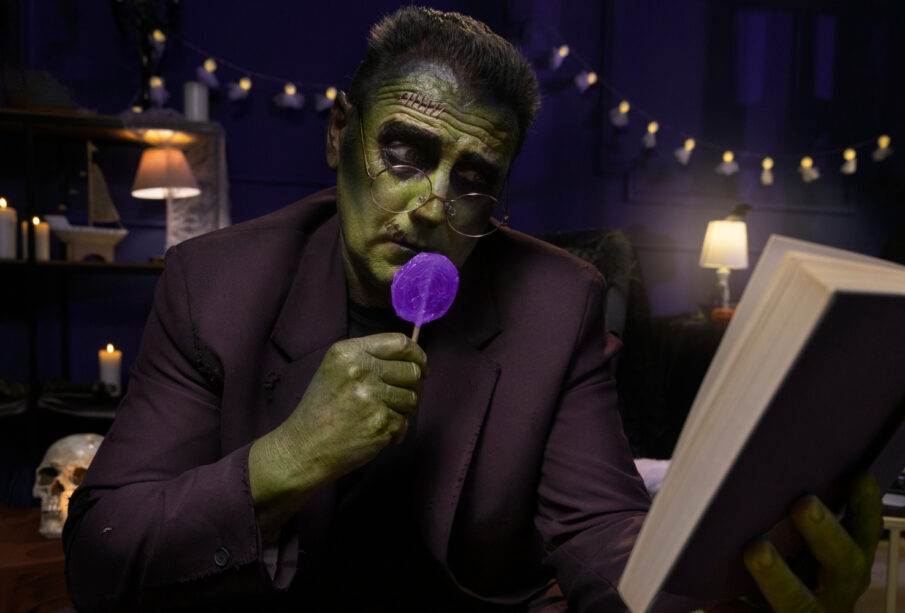
Mary Shelley’s Frankenstein (1818) is often considered the first science-fiction horror story. It tells the tragic tale of a scientist who creates life, only to be horrified by his creation.
The novel inspired films like Frankenstein and continues to shape discussions around science, ethics, and humanity.
3. The Shining
Modern horror owes a great deal to Stephen King. The Shining (1977) explores isolation and madness in a haunted hotel.
It became the iconic film The Shining, known for its eerie atmosphere and unforgettable imagery.
4. The Exorcist
Based on alleged real events, The Exorcist (1971) by William Peter Blatty terrified readers with its story of demonic possession.
The film adaptation, The Exorcist, became one of the most disturbing and influential horror movies ever made.
Folklore and Urban Legends in Film
Not all horror movies come from novels, many are rooted in folklore and legends passed through generations.
5. Candyman
Inspired by urban legends and a short story by Clive Barker, Candyman explores how myths can take on a life of their own. The idea of summoning a spirit through a mirror taps into universal fears.
6. The Blair Witch Project
This film drew inspiration from fictional folklore presented as real. Its “found footage” style blurred the line between reality and myth, making audiences question what was real.
Why These Stories Work So Well on Screen
Several factors make horror stories ideal for film adaptation:
- Strong Atmosphere: Books build tension that filmmakers can visually amplify
- Universal Fears: Death, the unknown, and isolation resonate across cultures
- Memorable Characters: Monsters like Dracula or Frankenstein’s creature are instantly recognizable
- Psychological Depth: Many horror stories explore the human mind, making them more than just scary
The Lasting Impact of Horror Adaptations
These stories don’t just entertain, they shape culture. Characters, phrases, and scenes from these adaptations become part of everyday conversation and global pop culture. They also inspire new generations of writers and filmmakers to create fresh nightmares.
Conclusion
From gothic novels to modern thrillers, famous horror stories continue to inspire some of the most iconic movies ever made. Whether rooted in literature or legend, these tales prove that fear is timeless, and when brought to the screen, it becomes even more powerful.
As long as humans are drawn to mystery and the unknown, horror stories will keep evolving, haunting both our imaginations and our screens.