
Group Food Purchasing Benefits
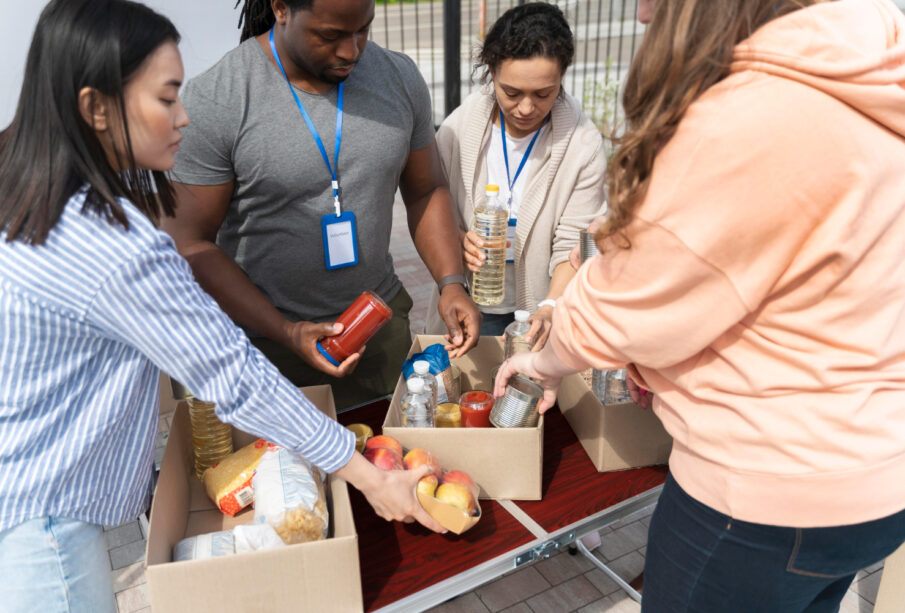
In today’s economy, where food prices continue to fluctuate, many households are searching for smarter ways to stretch their budgets without sacrificing quality.
One increasingly popular solution is group food purchasing, a system where individuals, families, or communities pool their resources to buy food in bulk. This approach offers more than just savings; it creates efficiency, builds relationships, and promotes healthier consumption habits.
What Is Group Food Purchasing?
Group food purchasing involves a collection of people coming together to buy groceries in large quantities directly from wholesalers, farmers, or suppliers. Instead of shopping individually at retail prices, the group benefits from bulk discounts and shared logistics. This model can be informal, such as neighbors coordinating purchases, or structured, like cooperatives and buying clubs.
Significant Cost Savings
One of the most immediate benefits of group purchasing is reduced cost. Bulk buying often comes with discounted rates per unit, allowing participants to pay less than they would in regular retail settings. Additionally, shared transportation and delivery costs further reduce expenses.
For families managing tight budgets, these savings can make a noticeable difference over time. Essentials such as rice, beans, flour, and cooking oil become more affordable when purchased collectively.
Access to Higher Quality Food
Group purchasing can also open doors to better-quality products. Many groups establish direct relationships with farmers or trusted suppliers, cutting out middlemen. As a result, members gain access to fresher produce, organic options, or locally sourced goods that might otherwise be too expensive or unavailable in standard markets.
This direct sourcing not only improves food quality but also supports local agriculture and small-scale producers.
Reduced Food Waste
Buying in bulk might seem like it could lead to waste, but group purchasing actually helps reduce it. Since food is divided among participants, each person takes only what they need. Careful planning ensures that perishable items are distributed efficiently.
Moreover, group members often coordinate meal planning or share preservation techniques, such as freezing or drying, to extend the lifespan of food items.
Time Efficiency and Convenience
Shopping can be time-consuming, especially when visiting multiple stores to find the best prices. Group purchasing streamlines this process. Typically, one or a few members handle ordering and distribution, saving everyone else valuable time.
In busy urban environments, this convenience is particularly beneficial. Instead of frequent trips to the market, participants receive their share of groceries in a more organized and predictable manner.
Strengthening Community Bonds
Beyond the practical advantages, group food purchasing fosters a sense of community. People collaborate, communicate, and build trust while working toward a shared goal. This interaction can strengthen relationships among neighbors, coworkers, or community members.
In many cases, these groups evolve into support networks, where members share tips on budgeting, cooking, and healthy living.
Encouraging Healthier Eating Habits
When groups prioritize nutritious options, members are more likely to adopt healthier diets. Bulk purchases often focus on whole foods; grains, vegetables, and proteins, rather than processed items. Additionally, the shared environment encourages accountability and knowledge exchange about nutrition.
Challenges to Consider
While the benefits are substantial, group food purchasing requires coordination and commitment. Clear communication is essential to avoid misunderstandings about quantities, payments, or distribution schedules. Trust among members is also crucial, especially when handling money and shared responsibilities.
However, with proper organization and simple systems in place, these challenges can be managed effectively.
Conclusion
Group food purchasing is more than a cost-saving strategy, it is a practical, community-driven approach to smarter living. By combining resources, individuals gain access to affordable, high-quality food while saving time and reducing waste. At the same time, they build meaningful connections and promote healthier lifestyles.
As food costs continue to rise, this cooperative model offers a sustainable and rewarding alternative for households and communities alike.




Leave a reply





Africa’s Source for Breaking News | Entertainments | Health | Finance | Sports | Lifestyle and Business News.


