
Historical Civilizations That Changed the World
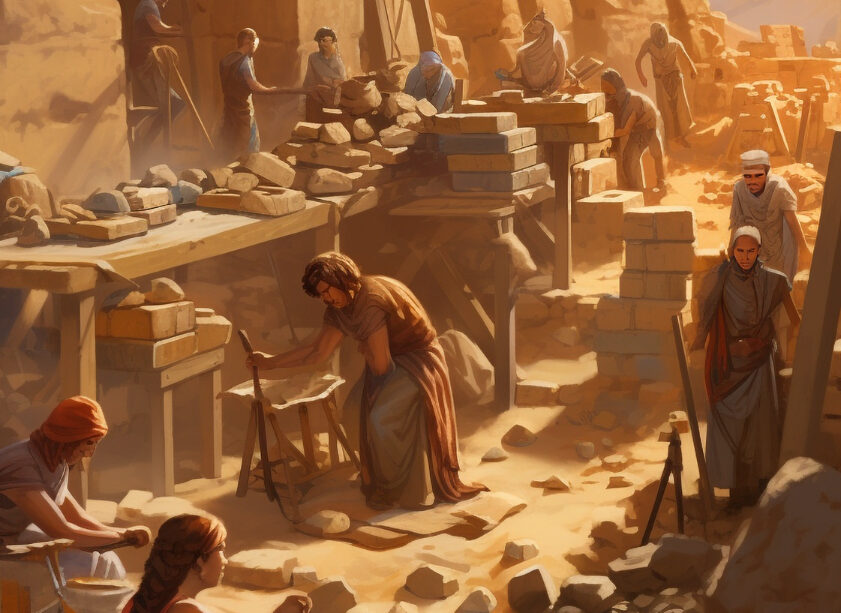
Throughout human history, certain civilizations have left a lasting imprint on the way we live, think, and organize society.
Their innovations, systems of governance, cultural achievements, and technological advancements continue to influence modern life. Understanding these civilizations offers valuable insight into the foundations of today’s world.
1. Ancient Egypt
One of the earliest and most iconic civilizations, Ancient Egypt thrived along the Nile River for over 3,000 years. Its contributions include monumental architecture like the pyramids, advances in medicine, and the development of hieroglyphic writing. Egyptian society was highly organized, with a strong central government and deep spiritual beliefs centered on the afterlife.
2. Mesopotamian Civilization
Often referred to as the “cradle of civilization,” Mesopotamia gave rise to some of the first cities, including Ur and Babylon. It was here that writing (cuneiform), formal laws such as the Code of Hammurabi, and early mathematics were developed. These innovations laid the groundwork for governance and record-keeping systems still used today.
3. Ancient Greece
Ancient Greece profoundly influenced philosophy, politics, and the arts. Thinkers like Socrates, Plato, and Aristotle shaped Western thought. Greece also introduced the concept of democracy, particularly in Athens, and made lasting contributions to literature, science, and architecture.
4. Roman Empire
The Roman Empire built upon Greek ideas and expanded them across Europe, North Africa, and parts of Asia. Rome is known for its legal systems, engineering feats (such as roads and aqueducts), and the spread of Latin, which influenced many modern languages. Roman governance and law continue to shape legal frameworks around the world.
5. Ancient China
Ancient China contributed significantly to global development through inventions like paper, gunpowder, the compass, and printing. Philosophies such as Confucianism, founded by Confucius, emphasized morality, social harmony, and respect for authority. These ideas continue to influence cultures across Asia and beyond.
6. Indus Valley Civilization
One of the world’s earliest urban cultures, the Indus Valley Civilization (in present-day Pakistan and India) is known for its advanced city planning, including drainage systems and grid layouts. Although much about this civilization remains a mystery, its emphasis on organization and infrastructure was far ahead of its time.
7. Mayan Civilization
The Maya civilization in Central America excelled in mathematics, astronomy, and architecture. They developed a sophisticated calendar system and built impressive cities like Tikal and Chichen Itza. Their understanding of celestial movements was remarkably precise and continues to fascinate historians and scientists.
8. Islamic Golden Age Civilization
Between the 8th and 14th centuries, the Islamic world became a center of knowledge and innovation. Scholars preserved and expanded upon Greek and Roman texts while making breakthroughs in medicine, mathematics, astronomy, and chemistry. Figures like Ibn Sina (Avicenna) influenced both Eastern and Western scientific traditions.
Lasting Impact on the Modern World
These civilizations did not exist in isolation. They interacted, traded, and sometimes clashed, allowing ideas to spread and evolve. Today’s legal systems, scientific methods, architectural styles, and even daily conveniences can often be traced back to these ancient societies.
Their greatest legacy may not just be what they built, but how they shaped human thinking, encouraging curiosity, organization, and innovation.
Conclusion
History is not just a record of the past; it is a guide to understanding the present. The civilizations that once rose and fell continue to influence how we govern, learn, and connect with one another. By studying them, we gain a deeper appreciation of human progress and the enduring power of ideas.




Leave a reply







Africa’s Source for Breaking News | Entertainments | Health | Finance | Sports | Lifestyle and Business News.


