
Historical Revolutions That Changed Nations
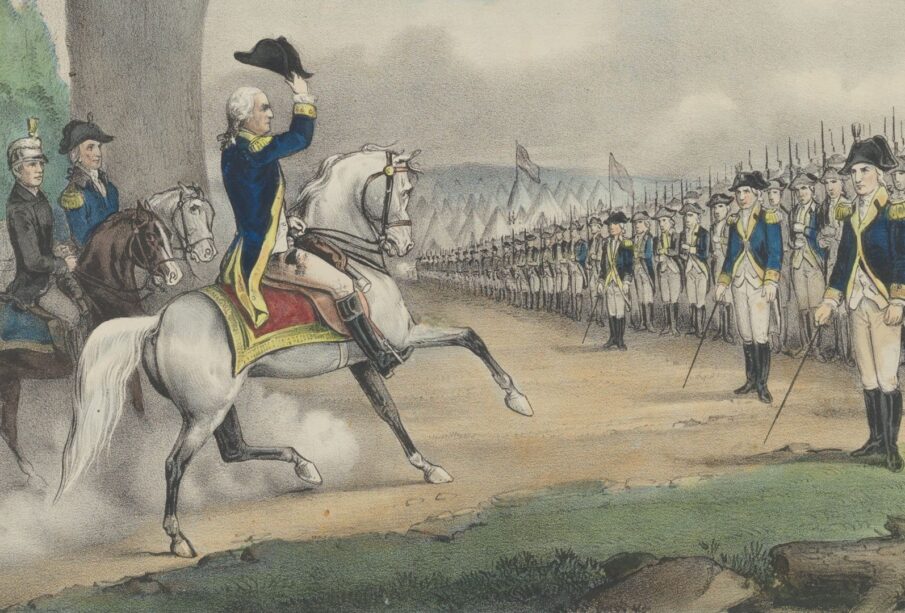
Throughout history, revolutions have served as powerful turning points that reshaped societies, redefined governance, and altered the course of nations.
These dramatic upheavals often emerged from deep-rooted dissatisfaction; whether political, economic, or social, and resulted in lasting transformations. From overthrowing monarchies to establishing new political ideologies, revolutions have left indelible marks on the world.
The Nature of Revolutions
A revolution is more than just a protest or rebellion. It represents a fundamental shift in power and structure, often involving mass participation and significant conflict. Revolutions typically arise when people feel marginalized, oppressed, or denied basic rights. While some revolutions unfold quickly, others develop over years of tension and resistance.
The French Revolution: The Birth of Modern Democracy
One of the most influential revolutions in history, the French Revolution began in 1789 as a response to economic hardship, social inequality, and political injustice. The monarchy, led by King Louis XVI, faced widespread criticism for its extravagance while ordinary citizens struggled.
The revolution dismantled the feudal system and introduced principles such as liberty, equality, and fraternity. It led to the rise of republicanism and inspired democratic movements worldwide. Although it experienced periods of extreme violence, including the Reign of Terror, its long-term impact helped shape modern political systems.
The American Revolution: A Fight for Independence
The American Revolution marked the thirteen colonies’ struggle to break free from British rule. Frustrated by taxation without representation and lack of autonomy, colonists united to demand independence.
The outcome was the creation of the United States, founded on democratic ideals and a written constitution. This revolution demonstrated that colonies could successfully challenge imperial powers and inspired independence movements across the globe.
The Russian Revolution: The Rise of Communism
In 1917, Russia experienced two revolutions that ended centuries of imperial rule. The Bolsheviks, led by Vladimir Lenin, seized power and established a communist government.
This revolution radically transformed Russia into the Soviet Union, influencing global politics for much of the 20th century. It also sparked ideological conflicts between capitalism and communism that shaped international relations for decades.
The Haitian Revolution: Freedom from Slavery
The Haitian Revolution stands out as the only successful slave revolt in history. Enslaved Africans in the French colony of Saint-Domingue rose against their oppressors and fought for freedom.
By 1804, Haiti became the first independent Black republic. This revolution challenged the institution of slavery and inspired enslaved people and abolitionists worldwide, proving that liberation was possible even under the harshest conditions.
The Chinese Revolution: A New Political Order
The Chinese Revolution culminated in 1949 when the Communist Party, led by Mao Zedong, defeated the Nationalist government. This marked the establishment of the People’s Republic of China.
The revolution reshaped China’s political, economic, and social systems, emphasizing collectivism and centralized control. Its effects are still visible today, as China remains one of the world’s most influential nations.
Lasting Impacts of Revolutions
Revolutions often bring both progress and turmoil. While they can lead to greater freedom, equality, and innovation, they may also result in instability, violence, and economic disruption. Despite these challenges, revolutions play a critical role in pushing societies forward.
They:
- Challenge unjust systems
- Empower ordinary citizens
- Introduce new political ideologies
- Inspire global change
Conclusion
Historical revolutions remind us that change is both inevitable and necessary. When systems fail to serve the people, collective action can redefine the future. Though revolutions come at a cost, their legacy often paves the way for stronger, more inclusive societies.
By understanding these transformative moments, we gain insight into how nations evolve, and how the voices of the people can shape history itself.




Leave a reply




Africa’s Source for Breaking News | Entertainments | Health | Finance | Sports | Lifestyle and Business News.


