
How Inflation Affects Everyday Spending
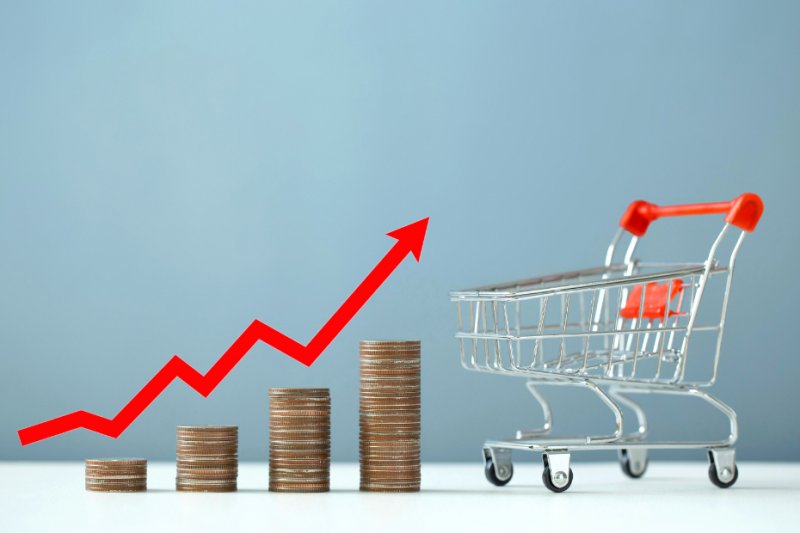
Inflation is a term often mentioned in economic discussions, but its real impact is felt most clearly in everyday life.
Simply put, inflation refers to the gradual increase in the prices of goods and services over time. As prices rise, the purchasing power of money declines, meaning the same amount of money buys fewer items than it did before. For households and individuals, this can significantly influence spending habits, budgeting, and overall financial well-being.
1. Rising Cost of Basic Necessities
One of the most immediate effects of inflation is the increase in the cost of essential items such as food, transportation, housing, and utilities. Groceries that once fit comfortably within a budget may suddenly become more expensive, forcing families to adjust their shopping habits. People may switch to cheaper brands, buy in smaller quantities, or eliminate certain items altogether.
Transportation costs also rise as fuel prices increase, affecting both private car owners and public transport fares. Over time, these incremental changes add up, placing a heavier financial burden on households.
2. Reduced Purchasing Power
Inflation erodes purchasing power, meaning money loses its value over time. For example, what ₦10,000 could buy last year may not be the same this year. This decline forces consumers to make difficult choices about how to allocate their income.
As a result, discretionary spending, such as entertainment, dining out, and luxury purchases, is often reduced. People begin prioritizing needs over wants, focusing their spending on essentials while cutting back on non-essential items.
3. Changes in Consumer Behavior
When inflation rises, consumer behavior shifts noticeably. Many individuals become more cautious with their spending, looking for ways to stretch their money further. Common strategies include:
- Comparing prices before making purchases
- Buying in bulk to save costs over time
- Taking advantage of discounts and promotions
- Delaying large purchases until absolutely necessary
This shift reflects a more mindful approach to spending, driven by the need to adapt to rising costs.
4. Impact on Savings and Investments
Inflation doesn’t just affect spending, it also impacts savings. Money kept in cash or low-interest accounts may lose value over time if inflation outpaces interest rates. This discourages saving in traditional ways and pushes individuals to seek alternative investment options that can offer better returns.
However, not everyone has access to or knowledge of investment opportunities, which can widen the financial gap between different groups in society.
5. Pressure on Fixed Incomes
Individuals who rely on fixed incomes, such as retirees or salaried workers without frequent raises, are particularly vulnerable to inflation. While prices increase, their income remains the same, making it harder to maintain their standard of living.
This often leads to stricter budgeting, reduced spending, and, in some cases, financial stress.
6. Wage Adjustments and Living Standards
In some cases, wages may increase to keep up with inflation. However, wage growth often lags behind price increases, meaning people may still feel the pinch. Even when salaries rise, higher living costs can offset any financial gains, leaving individuals with little improvement in their overall quality of life.
7. Long-Term Financial Planning Challenges
Inflation introduces uncertainty into long-term financial planning. Goals such as buying a home, funding education, or saving for retirement become more difficult as future costs are harder to predict. Individuals must account for inflation when planning, often requiring higher savings and more disciplined financial habits.
Conclusion
Inflation is more than just an economic concept, it is a daily reality that affects how people spend, save, and plan for the future. From rising grocery bills to reduced purchasing power, its impact is felt across all aspects of life.
To cope with inflation, individuals must adopt smarter financial strategies, such as budgeting carefully, prioritizing essential expenses, and exploring ways to increase income. While inflation may be unavoidable, understanding its effects can help people make informed decisions and maintain financial stability even in challenging economic times.




Leave a reply





Africa’s Source for Breaking News | Entertainments | Health | Finance | Sports | Lifestyle and Business News.


