
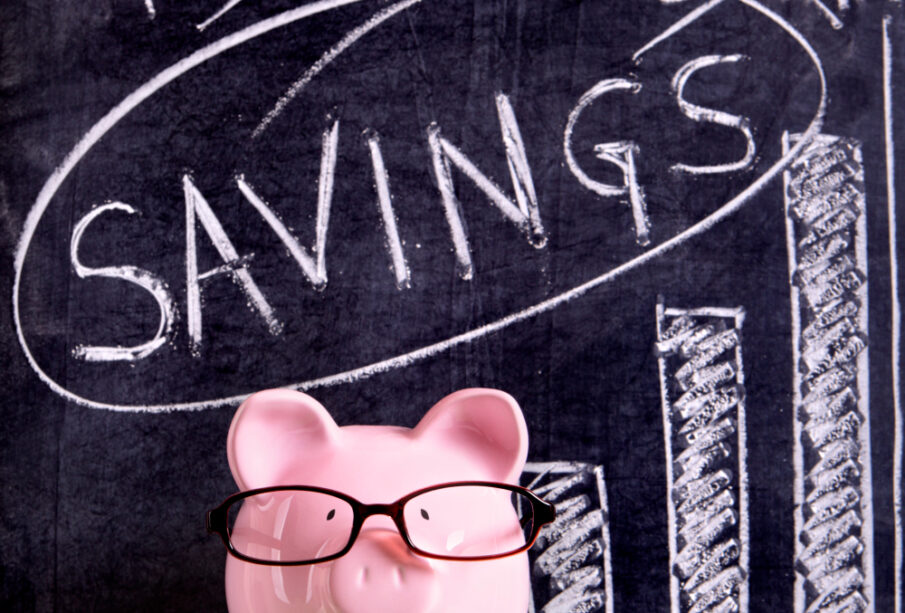
How Inflation Quietly Changes Spending Behavior (Across African Cities)
Inflation is no longer just an economic term discussed by policymakers and financial analysts. Across Nigeria and many African countries, rising prices have become part of everyday conversations, from transport fares to food costs in local markets. Yet, while inflation is visible through higher prices, its biggest impact happens quietly: it changes how people spend money.
From Lagos to Nairobi and Accra, households are adjusting their financial habits in subtle ways. Understanding how inflation changes spending behavior helps individuals adapt, protect their income, and make smarter financial decisions during uncertain economic periods.
What Inflation Means for Everyday Nigerians
Inflation occurs when the cost of goods and services rises over time, reducing purchasing power. In practical terms, ₦10,000 today buys fewer groceries than it did a year ago.
In Nigeria, inflation is often felt through:
-
Rising food prices in open markets
-
Increased transportation fares due to fuel price changes
-
Higher electricity and rent costs
-
Currency depreciation affecting imported goods
These changes force consumers to rethink spending priorities, often without consciously realizing it.
1. From “Buying Comfortably” to Careful Spending
One of the first behavioral shifts inflation causes is cautious spending.
Many households that previously bought items freely now plan purchases carefully. Shoppers increasingly ask:
-
“Is this necessary today?”
-
“Can I find a cheaper alternative?”
-
“Should I wait until prices stabilize?”
As a result, spending moves away from wants toward essential needs such as food, transport, and school expenses.
2. Market Shopping Replaces Brand Loyalty
Inflation reduces brand loyalty because affordability becomes more important than preference.
In cities like Lagos, Abuja, or Port Harcourt, consumers now:
-
Compare prices between supermarkets and open markets
-
Buy unbranded or locally produced alternatives
-
Negotiate prices more actively in traditional markets
-
Purchase smaller portions instead of bulk packaged goods
For example, instead of buying pre-packaged groceries, many shoppers now purchase measured quantities of rice, beans, or cooking ingredients directly from market traders to control spending.
3. Fuel Prices Quietly Change Daily Decisions
Fuel price increases have a ripple effect on spending behavior across African economies.
Higher fuel costs lead to:
-
Increased transport fares (danfo buses, motorcycles, ride-hailing services)
-
Higher food prices due to transportation costs
-
Reduced discretionary travel and outings
As transport becomes more expensive, people adjust by combining errands, working remotely when possible, or choosing closer markets and workplaces.
4. The Rise of “Buy Small, Buy Often” Spending Habits
Unlike wealthier economies where bulk buying increases during inflation, many African households adopt a different strategy: buying in smaller quantities.
Common examples include:
-
Daily food purchases instead of weekly shopping
-
Sachet products replacing large packages
-
Frequent market visits to manage limited cash flow
This behavior helps families cope with unstable income and constantly changing prices, even though smaller purchases may cost more over time.
5. Currency Depreciation Changes Consumer Choices
When local currencies weaken against foreign currencies, imported goods become more expensive. This quietly shifts consumer preferences toward locally made products.
Consumers increasingly:
-
Choose locally produced food items
-
Repair electronics instead of replacing them
-
Delay purchasing imported gadgets or fashion items
Over time, inflation reshapes not just spending habits but also consumption culture.
6. Growth of Side Hustles and Informal Income
Inflation across African cities has accelerated the rise of multiple income streams.
As salaries struggle to keep up with living costs, many people turn to:
-
Online freelancing
-
Small trading businesses
-
Food vending or home-based services
-
Digital skills and remote work opportunities
Instead of relying on one income source, households adapt by increasing earning capacity.
7. Social and Psychological Effects of Inflation
Inflation also changes social behavior. Financial pressure influences how people socialize and spend leisure time.
Examples include:
-
Fewer restaurant visits and more home gatherings
-
Reduced event spending
-
Shared transportation among friends or coworkers
-
Increased financial anxiety and cautious budgeting
These adjustments happen gradually, making inflation’s impact feel normal even as lifestyles change significantly.
8. Why Inflation’s Impact Feels “Quiet”
Inflation rarely causes sudden lifestyle collapse. Instead, it works slowly through small adjustments made every day.
People may not notice when:
-
Portion sizes become smaller
-
Shopping frequency increases
-
Luxury spending disappears
-
Savings become harder to maintain
Over time, these subtle shifts completely reshape spending behavior across entire cities and economies.
How Nigerians and Africans Can Adapt to Inflation
To manage spending effectively during inflation:
-
Track weekly expenses carefully
-
Prioritize essential purchases first
-
Compare prices across markets and vendors
-
Reduce impulse buying
-
Build emergency savings gradually
-
Develop additional income skills or side hustles
Financial awareness becomes one of the strongest tools for navigating rising living costs.
Conclusion: Inflation Changes Habits Before It Changes Lifestyles
Inflation does more than increase prices, it quietly rewires financial behavior. Across Nigeria and African cities, households are becoming more strategic, price-conscious, and adaptable.
By recognizing how inflation shapes spending decisions, individuals can respond proactively instead of reactively, protecting their purchasing power and maintaining financial stability even during economic uncertainty.

Leave a reply





Africa’s Source for Breaking News | Entertainments | Health | Finance | Sports | Lifestyle and Business News.


