
How Mindset Shapes Everyday Decisions

Every day, people make hundreds of decisions, some small and automatic, others deliberate and life-changing.
While many factors influence these choices, one of the most powerful is mindset. The way you think about yourself, your abilities, and the world around you quietly guides your actions, often without you realizing it.
Understanding how mindset works can help you make better decisions, improve your outcomes, and build a more intentional life.
What Is Mindset?
Mindset refers to the set of beliefs and attitudes that shape how you interpret experiences and respond to challenges. It acts like a mental lens, influencing how you see opportunities, risks, and even yourself.
Psychologists often describe two main types of mindset:
- Fixed mindset: The belief that abilities and intelligence are static.
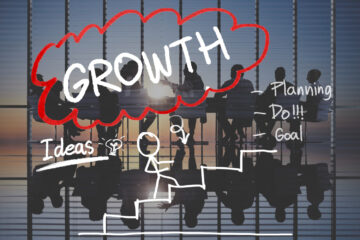
- Growth mindset: The belief that abilities can improve through effort and learning.
These two perspectives lead to very different decision-making patterns.
How Mindset Influences Daily Choices
1. Risk-Taking and Opportunity
Your mindset determines how you respond to uncertainty. If you believe you can learn and adapt, you are more likely to take calculated risks applying for a new job, starting a business, or learning a new skill.
On the other hand, a fixed mindset may push you to avoid challenges. Fear of failure becomes stronger than the desire to grow, leading to safer but often less rewarding decisions.
2. Handling Failure
Failure is inevitable, but mindset decides what it means.
- With a growth mindset, failure becomes feedback. You adjust, learn, and try again.
- With a fixed mindset, failure feels like proof of inadequacy.
This difference shapes everyday decisions; whether to try again, give up, or never attempt something new in the first place.
3. Problem-Solving Approach
Mindset also affects how you approach problems. A flexible mindset encourages curiosity and creativity. You look for solutions, experiment, and stay open to new ideas. In contrast, a rigid mindset can limit thinking. You may stick to familiar methods, even when they don’t work, because you doubt your ability to adapt.
4. Relationships and Communication
Your beliefs about people influence how you interact with them. If you believe others can grow and change, you are more likely to communicate patiently, forgive mistakes, and invest in relationships.
However, if you assume people are “just the way they are,” you may judge quickly, avoid conflict resolution, or disengage entirely.
5. Motivation and Discipline
Mindset directly impacts motivation. When you believe effort leads to improvement, you are more willing to stay consistent—even when progress is slow.
This belief influences everyday decisions like:
- Waking up early
- Sticking to a routine
- Finishing difficult tasks
Without that belief, it becomes easier to quit when things feel hard.
The Role of Self-Talk
Your internal dialogue plays a major role in shaping mindset. Thoughts like “I can’t do this” or “I’m not good enough” can limit your decisions before you even act. On the other hand, constructive self-talk, “I’ll figure this out” or “I can improve with practice” encourages action and persistence.
Over time, these small mental habits create consistent patterns in decision-making.
How to Shift Your Mindset
Changing your mindset doesn’t happen overnight, but small steps can make a big difference:
- Challenge limiting beliefs: Question negative assumptions about your abilities.
- Focus on learning: Value progress over perfection.
- Reframe failure: Treat mistakes as lessons, not endings.
- Surround yourself with growth-oriented people: Their attitudes can influence yours.
- Practice awareness: Notice how your thoughts affect your choices.
Why It Matters
Your mindset doesn’t just shape big, life-altering decisions, it shapes the small, everyday ones that eventually define your life. Choosing to try, to persist, to learn, or to walk away often starts with a belief.
When you develop a growth-oriented mindset, you give yourself permission to explore possibilities rather than fear them. Over time, this leads to better decisions, stronger resilience, and greater personal fulfillment.
Final Thoughts
Mindset acts as the foundation of decision-making. It influences how you see challenges, interpret outcomes, and choose your next steps. By becoming aware of your mindset and actively shaping it, you can take control of your daily decisions, and ultimately, your future.


Leave a reply






Africa’s Source for Breaking News | Entertainments | Health | Finance | Sports | Lifestyle and Business News.


