
How Policy Shapes Economic Growth
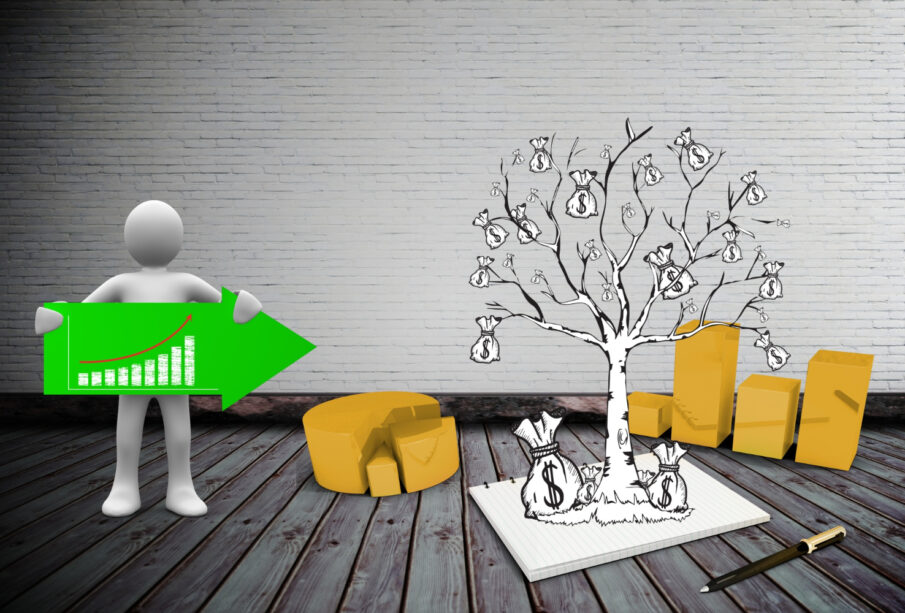
Economic growth does not happen by accident.
It is largely influenced by the policies governments design and implement. From taxation and public spending to trade regulations and monetary decisions, policy choices create the environment in which businesses operate, investments flow, and citizens earn a living. Understanding how policy shapes economic growth helps individuals, entrepreneurs, and leaders make better decisions in a rapidly changing world.
The Foundation of Economic Policy
At its core, economic policy refers to the actions taken by a government to influence its economy. These policies are often guided by institutions such as the International Monetary Fund and the World Bank, which provide frameworks and recommendations for sustainable growth.
Governments typically focus on three main areas:
- Fiscal policy (taxation and spending)
- Monetary policy (control of money supply and interest rates)
- Structural policy (regulations and reforms)
Each of these plays a distinct role in shaping economic outcomes.
Fiscal Policy: Driving Demand and Investment
Fiscal policy involves how governments collect revenue and spend it. When governments invest in infrastructure, education, and healthcare, they create jobs and improve productivity. For example, building roads and power systems reduces business costs and encourages investment.
On the other hand, taxation policies influence how much individuals and businesses can spend or invest. Lower taxes can stimulate economic activity, while higher taxes may slow it down if not carefully managed. The key is balance, ensuring sufficient revenue without discouraging growth.
Monetary Policy: Controlling Stability
Monetary policy is usually managed by a country’s central bank. Institutions like the Central Bank of Nigeria regulate interest rates and money supply to maintain economic stability.
When interest rates are low, borrowing becomes cheaper. This encourages businesses to expand and consumers to spend more. However, if too much money circulates in the economy, it can lead to inflation. High inflation reduces purchasing power and creates uncertainty, which can harm growth.
Effective monetary policy ensures stable prices and a predictable economic environment—both essential for long-term investment.
Trade Policy: Opening or Restricting Markets
Trade policies determine how a country interacts with the global economy. Open trade policies encourage exports, attract foreign investment, and increase competition. This often leads to innovation and efficiency.
However, protectionist policies, such as tariffs and import restrictions; may be used to support local industries. While this can help emerging sectors grow, excessive protection can limit competitiveness and slow economic progress.
Striking the right balance between openness and protection is critical for sustainable growth.
Regulatory and Structural Policies
Beyond taxes and interest rates, governments shape economic growth through regulations. Business laws, labor policies, and property rights all influence how easily companies can operate.
For example:
- Clear property rights encourage investment
- Fair labor laws protect workers while supporting productivity
- Transparent regulations reduce corruption and increase trust
Countries with strong institutions and consistent policies tend to grow faster because they create a stable environment for economic activity.
The Role of Political Stability
Economic policies are only effective when supported by political stability. Frequent policy changes, corruption, or weak governance can discourage investors and disrupt growth.
Stable governments are more likely to implement long-term strategies that foster development. This is why countries with consistent leadership and clear economic direction often outperform those with political uncertainty.
Policy Mistakes and Their Consequences
Poor policy decisions can have lasting negative effects. Examples include:
- Excessive borrowing leading to debt crises
- Poorly managed subsidies draining public funds
- Sudden policy shifts creating uncertainty
History has shown that inconsistent or short-term policies often slow growth rather than accelerate it.
The Path to Sustainable Growth
For economic growth to be sustainable, policies must be:
- Consistent over time
- Inclusive of all sectors of society
- Adaptable to changing global conditions
Governments must also invest in human capital, education, skills, and innovation, to ensure long-term progress.
Conclusion
Policy is one of the most powerful tools shaping economic growth. From fiscal decisions to trade agreements and regulatory frameworks, government actions determine the pace and direction of development. When policies are well-designed and consistently implemented, they create an environment where businesses thrive, jobs are created, and living standards improve.
In a world of constant economic change, smart policymaking is not just beneficial, it is essential for lasting prosperity.

Leave a reply







Africa’s Source for Breaking News | Entertainments | Health | Finance | Sports | Lifestyle and Business News.


