
How Soap Cleans Dirt
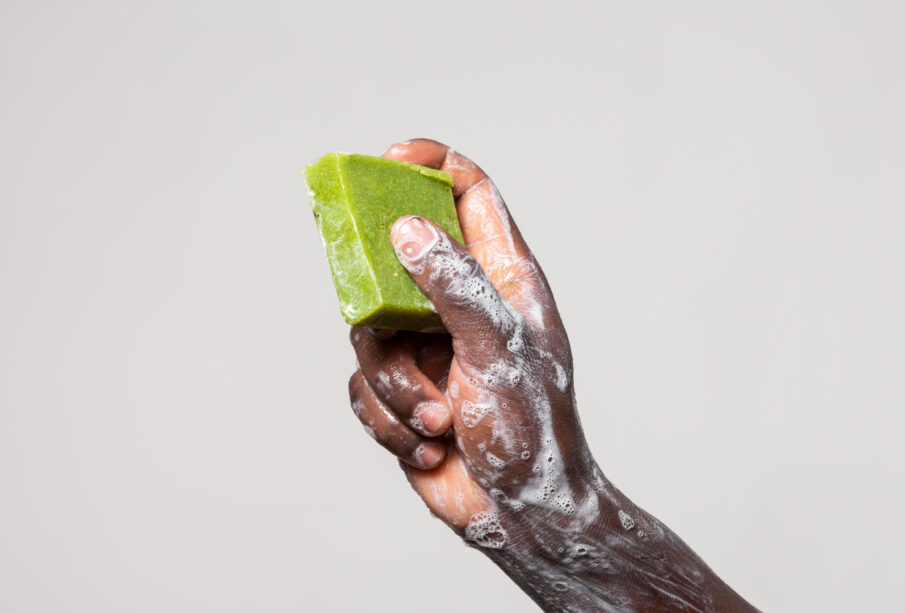
How Soap Cleans Dirt: The Simple Science Behind Staying Clean
It feels almost magical. You rub your hands together with soap, rinse with water, and suddenly the dirt disappears. But what really happens in those few seconds? Is soap simply “washing away” dirt, or is there something more scientific taking place?
The truth is that every time you wash your hands, you are witnessing chemistry in action.
Why Water Alone Isn’t Enough
If you’ve ever tried rinsing oily hands with just water, you’ll notice something frustrating: the grease doesn’t come off easily.
That’s because most dirt isn’t just dust, it often contains oil, sweat, bacteria, and other substances that do not mix well with water.
Water molecules are attracted to other water molecules. Oils, on the other hand, repel water. So when you try to wash oily dirt with only water, the oil simply resists being carried away.
This is where soap comes in.
The Secret Structure of Soap Molecules
Soap works because of its unique molecular structure. Each soap molecule has two ends:
-
A hydrophilic head (water-loving)
-
A hydrophobic tail (water-fearing, but oil-loving)
This dual personality is what makes soap powerful.
When you apply soap to dirty skin:
-
The hydrophobic tails attach to oil and grease.
-
The hydrophilic heads remain attracted to water.
-
The soap molecules surround the dirt, forming tiny structures called micelles.
-
When you rinse with water, the micelles are washed away, taking the dirt with them.
In simple terms, soap acts as a bridge between oil and water, allowing dirt to be lifted and rinsed off.
Soap and Germs: More Than Just Dirt Removal
Soap doesn’t just remove visible dirt, it also helps eliminate harmful microorganisms.
Many bacteria and viruses are surrounded by a lipid (fatty) membrane. Soap molecules can break apart this membrane, effectively destroying the structure of certain viruses and making them inactive.
This is why health experts emphasize washing hands with soap for at least 20 seconds, it gives soap enough time to break down oils and disrupt microbes.
Why Scrubbing Matters
Soap alone isn’t enough. Mechanical action; rubbing your hands together helps:
-
Loosen dirt from skin surfaces
-
Increase contact between soap and microbes
-
Create more micelles
The friction improves cleaning efficiency, especially around fingernails and between fingers.
What About Liquid Soap vs Bar Soap?
Both work using the same scientific principle. The difference lies mostly in form and convenience.
-
Bar soap may sit exposed but remains effective.
-
Liquid soap is often considered more hygienic in public spaces.
In both cases, it’s the molecular structure, not the form, that makes cleaning possible.
Everyday Applications of Soap Science
The same principle applies beyond handwashing:
-
Dishwashing soap removes cooking oil from plates.
-
Laundry detergent lifts sweat and grease from clothes.
-
Shampoo removes natural scalp oils.
All rely on molecules that can interact with both water and oil.
Why This Matters
Understanding how soap works reminds us that simple daily actions are powered by complex science. Something as ordinary as washing your hands is actually a carefully balanced chemical process that protects health and prevents disease.
In many parts of the world, access to soap is directly linked to reduced infections and improved public health outcomes. A small bar of soap carries enormous impact.
Final Thoughts
Soap doesn’t magically “erase” dirt, it surrounds it, lifts it, and carries it away through chemistry. Each wash is a partnership between molecules, water, and motion.
So the next time you lather your hands, remember: you’re not just cleaning, you’re performing a tiny, powerful scientific experiment.




Leave a reply




Africa’s Source for Breaking News | Entertainments | Health | Finance | Sports | Lifestyle and Business News.


