
Mental Resilience in Difficult Times
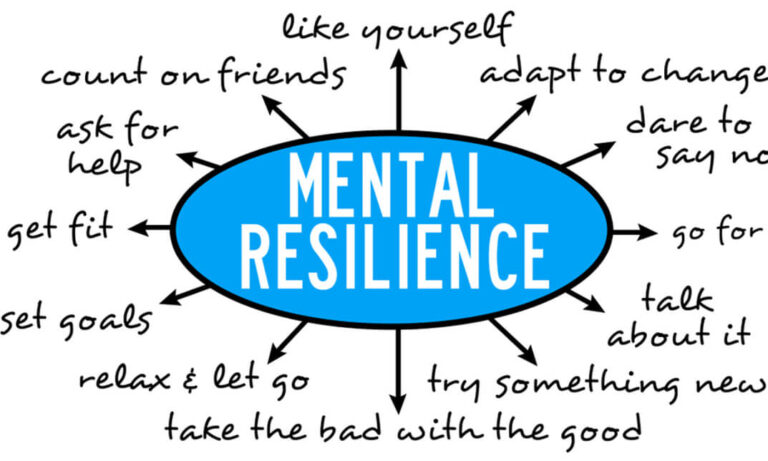
Life rarely moves in a straight line.
Periods of uncertainty, loss, financial strain, health challenges, or emotional hardship can shake even the strongest individuals. Yet, what often determines whether people emerge broken or stronger is not the difficulty itself, but their level of mental resilience, the ability to adapt, recover, and keep moving forward despite adversity.
Mental resilience is not something people are simply born with; it is a skill that can be developed, strengthened, and refined over time.
What Is Mental Resilience?
Mental resilience refers to the capacity to withstand stress, recover from setbacks, and maintain a sense of purpose during challenging times. It doesn’t mean ignoring pain or pretending everything is fine. Instead, it involves acknowledging difficulties while choosing to respond constructively.
Resilient individuals still feel fear, sadness, and frustration, but they do not allow those emotions to control their actions or define their future.
Why Mental Resilience Matters
Difficult times are inevitable. Economic downturns, personal losses, and unexpected crises can happen at any moment. Without resilience, these challenges can lead to burnout, anxiety, or a sense of helplessness.
However, with strong mental resilience, individuals are more likely to:
-
Stay focused under pressure
-
Adapt to change more effectively
-
Maintain emotional balance
-
Recover faster from setbacks
-
Continue pursuing their goals
In essence, resilience acts as a psychological shield, helping people navigate life’s storms without losing direction.
Key Traits of Mentally Resilient People
-
Emotional Awareness
They understand their feelings and do not suppress them. Instead, they process emotions in a healthy way. -
Optimistic Thinking
Resilient individuals maintain hope, even in dark moments. They believe challenges are temporary and solvable. -
Adaptability
They are flexible and open to change, adjusting their strategies when circumstances shift. -
Strong Sense of Purpose
Having clear goals or values helps them stay grounded during uncertainty. -
Self-Control
They manage their reactions rather than acting impulsively under stress.
Practical Ways to Build Mental Resilience
1. Reframe Negative Thoughts
Difficult situations often trigger negative thinking patterns. Instead of asking, “Why is this happening to me?”, try asking, “What can I learn from this?”
This shift in perspective can turn obstacles into opportunities for growth.
2. Strengthen Your Support System
No one thrives alone. Family, friends, mentors, or community groups can provide emotional support and practical help during tough times.
3. Focus on What You Can Control
In uncertain situations, it’s easy to feel overwhelmed by factors beyond your control. Resilient individuals concentrate on their actions, decisions, and mindset.
4. Practice Self-Care
Mental strength is closely linked to physical well-being. Adequate sleep, proper nutrition, and regular exercise improve your ability to handle stress.
5. Set Small, Achievable Goals
Breaking large problems into smaller steps creates a sense of progress and control, even during chaos.
6. Learn from Past Challenges
Reflecting on previous difficulties and how you overcame them can boost confidence and reinforce your ability to handle future problems.
Mental Resilience in Everyday Life
In places where daily life can be unpredictable, such as rapidly growing cities or economies facing constant shifts, mental resilience becomes even more critical. Whether it’s dealing with job uncertainty, rising living costs, or societal pressures, resilience helps individuals stay proactive rather than reactive.
It allows people to innovate, adapt, and continue striving despite obstacles.
The Role of Mindset
At the core of mental resilience is mindset. People who believe they can grow, adapt, and overcome challenges are more likely to do so. This is often referred to as a growth mindset, the belief that abilities and intelligence can be developed through effort and learning.
Final Thoughts
Mental resilience is not about avoiding hardship, it is about facing it with strength, clarity, and determination. Life’s most difficult moments often carry the seeds of personal growth, but only for those willing to persevere.
By developing resilience, you equip yourself with the tools to not only survive difficult times but to emerge stronger, wiser, and more capable than before.




Leave a reply







Africa’s Source for Breaking News | Entertainments | Health | Finance | Sports | Lifestyle and Business News.


