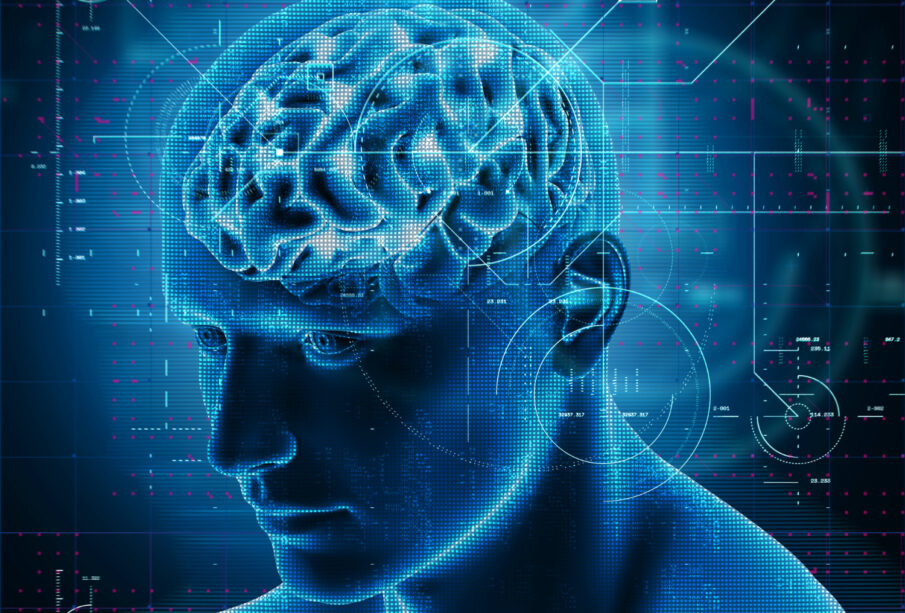
Neuroscience is the scientific study of the brain and the nervous system.
It explores how the brain controls thoughts, emotions, movement, memory, and behavior. Although neuroscience is a complex field, understanding a few basic ideas can help anyone better understand how the human mind works and how daily habits influence brain health.
The Brain: The Body’s Control Center
The brain is the most complex organ in the human body. It contains about 86 billion nerve cells that communicate with each other constantly. These cells allow us to think, learn, remember, and react to the world around us.
The brain is part of the nervous system, which includes the spinal cord and a network of nerves that send messages throughout the body. Together, they help regulate breathing, heart rate, movement, and even emotions.
Neurons: The Brain’s Communication Cells
The main cells responsible for brain activity are called neurons. Neurons transmit information using electrical and chemical signals. Each neuron connects with thousands of others, forming an enormous communication network.
Messages travel through neurons extremely quickly. When you touch something hot, for example, neurons send signals from your hand to your brain almost instantly. Your brain then sends a signal back to your muscles to pull your hand away.
Neurotransmitters: Chemical Messengers
Neurons communicate with one another using chemicals called neurotransmitters. These chemicals pass signals across tiny gaps between neurons called synapses.
Different neurotransmitters have different roles. For example:
-
Dopamine is linked to motivation, reward, and pleasure.
-
Serotonin helps regulate mood, sleep, and appetite.
-
Acetylcholine plays an important role in learning and memory.
Balanced neurotransmitter activity helps maintain emotional stability and healthy brain function.
Brain Plasticity: The Brain Can Change
One of the most fascinating discoveries in neuroscience is neuroplasticity, the brain’s ability to change and adapt. The brain can form new neural connections throughout life, especially when learning new skills or experiences.
For example, practicing a musical instrument strengthens the brain circuits involved in movement, hearing, and coordination. Similarly, studying new topics or learning languages helps build stronger neural pathways.
This means that learning does not stop in childhood. The brain continues to grow and adapt even in adulthood.
The Role of Different Brain Regions
The brain is made up of several regions, each responsible for different functions.
The frontal lobe handles decision-making, planning, and self-control.
The temporal lobe processes hearing and language.
The parietal lobe helps interpret touch and spatial awareness.
The occipital lobe processes visual information.
Another key structure, the hippocampus, plays a major role in forming memories, while the amygdala helps process emotions such as fear and excitement.
Sleep and the Brain
Sleep plays a crucial role in brain health. During sleep, the brain organizes memories, repairs cells, and removes waste products that build up during the day.
Lack of sleep can affect concentration, mood, and decision-making. Long-term sleep deprivation may also increase the risk of mental health problems and cognitive decline.
Stress and Brain Function
Stress can significantly influence brain activity. In small amounts, stress helps people stay alert and focused. However, chronic stress can harm the brain by affecting memory and emotional regulation.
Prolonged stress may weaken areas involved in learning while strengthening regions associated with fear and anxiety. Managing stress through exercise, relaxation techniques, and social connection can help protect brain health.
Habits That Support Brain Health
Several everyday habits support healthy brain function:
Regular physical exercise improves blood flow to the brain.
Healthy nutrition provides essential nutrients for brain cells.
Mental stimulation strengthens neural connections.
Social interaction keeps cognitive processes active.
Adequate sleep allows the brain to repair and reorganize.
These habits can help maintain cognitive ability and emotional balance over time.
Conclusion
Neuroscience reveals how the brain shapes our thoughts, behaviors, and experiences. From neurons and neurotransmitters to brain plasticity and sleep, the brain is constantly working to process information and adapt to new situations.
Understanding these basic principles can encourage people to adopt habits that protect and strengthen their brain. As research continues, neuroscience will likely uncover even deeper insights into how the human mind works and how we can improve mental well-being throughout life.