
Ocean Ecosystems Explained
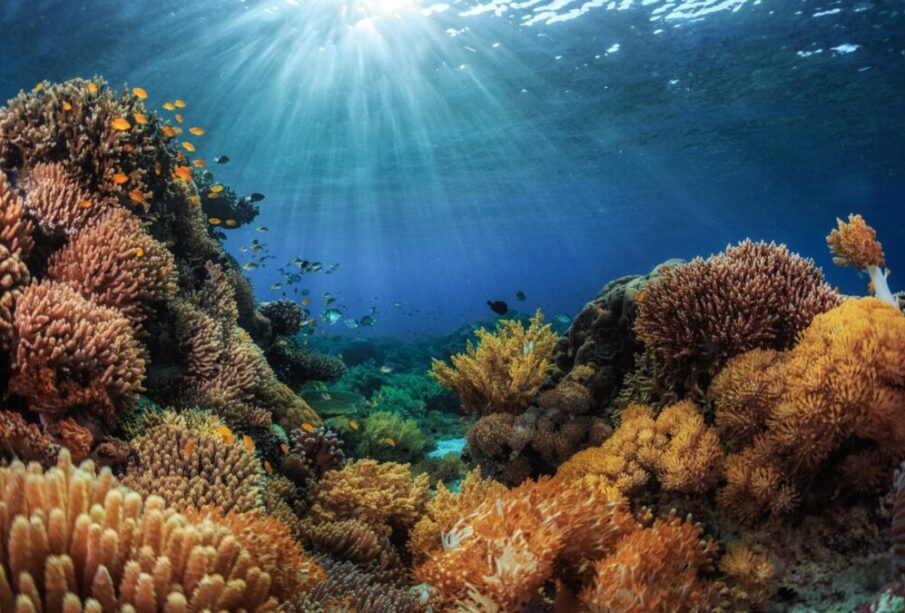
The oceans cover more than 70% of Earth’s surface and hold some of the most diverse ecosystems on the planet.
These vast bodies of water are not just empty spaces filled with fish. They are complex systems where living organisms interact with their environment in delicate balance. From microscopic plankton to massive whales, ocean ecosystems support life on a global scale and play a critical role in maintaining Earth’s climate and food systems.
What Is an Ocean Ecosystem?
An ocean ecosystem refers to a community of living organisms interacting with the physical environment of the sea. These organisms include plants, animals, bacteria, and microscopic life forms. They depend on each other for food, shelter, and survival.
Ocean ecosystems also interact with non-living elements such as sunlight, water temperature, salinity, nutrients, and ocean currents. Together, these factors shape how marine life grows, survives, and reproduces.
Major Types of Ocean Ecosystems
The ocean is not a single uniform environment. Instead, it contains several distinct ecosystems, each with unique characteristics.
Coral Reefs
Coral reefs are among the most diverse ecosystems on Earth. They are often called the “rainforests of the sea.” These underwater structures are built by tiny animals called coral polyps.
Reefs provide shelter and breeding grounds for thousands of species including fish, crustaceans, and mollusks. Coral reefs also protect coastlines from strong waves and storms while supporting fishing and tourism industries.
Open Ocean (Pelagic Zone)
The open ocean is the vast water area that lies beyond the coastal regions. It appears empty at first glance, but it supports an incredible range of life.
Small drifting organisms called plankton form the base of the food chain here. Fish, sharks, whales, and sea turtles depend on these microscopic organisms either directly or indirectly for food.
Deep Sea Ecosystems
The deep sea is one of the least explored parts of the planet. Sunlight cannot reach these depths, creating an environment of extreme darkness and pressure.
Despite these harsh conditions, many unique creatures live there. Some species use bioluminescence, the ability to produce light, to hunt prey or communicate in the dark.
Coastal and Estuarine Ecosystems
Coastal ecosystems exist where the ocean meets the land. Estuaries form where freshwater from rivers mixes with saltwater from the sea.
These areas are extremely productive because they receive nutrients from both land and ocean sources. Many marine species use estuaries as nursery grounds where young fish and shellfish grow before moving to the open ocean.
The Ocean Food Web
Ocean ecosystems rely on a complex food web. The base of this web is formed by phytoplankton, tiny plant-like organisms that perform photosynthesis using sunlight.
Phytoplankton are eaten by zooplankton, which are then consumed by small fish. Larger predators such as tuna, sharks, and marine mammals feed on these fish.
Energy flows upward through the food web, connecting organisms of all sizes. Even the largest ocean animals depend indirectly on microscopic life.
Why Ocean Ecosystems Matter
Ocean ecosystems are essential to life on Earth. They produce a large portion of the oxygen humans breathe and help regulate global climate by absorbing carbon dioxide.
They also provide food for billions of people worldwide. Fisheries and marine industries support millions of jobs and contribute significantly to global economies.
Additionally, oceans influence weather patterns and help stabilize temperatures across the planet.
Threats to Ocean Ecosystems
Despite their importance, ocean ecosystems face serious threats. Human activities have placed enormous pressure on marine environments.
Overfishing has reduced many fish populations. Pollution from plastics, chemicals, and oil spills damages marine habitats and harms wildlife. Climate change also warms ocean waters and causes coral bleaching, threatening reef ecosystems.
Ocean acidification, caused by increased carbon dioxide absorption, further disrupts marine life, especially organisms that build shells and coral skeletons.
Protecting the Oceans
Protecting ocean ecosystems requires global cooperation and responsible environmental practices. Sustainable fishing, reducing plastic waste, and protecting marine habitats are essential steps.
Marine protected areas help conserve biodiversity by limiting harmful human activities in sensitive regions. Scientists and conservation groups also work to restore damaged coral reefs and coastal habitats.
Public awareness plays a key role as well. When individuals support sustainable products and reduce pollution, they contribute to healthier oceans.
Conclusion
Ocean ecosystems are vast, complex, and vital to life on Earth. They support incredible biodiversity, regulate the planet’s climate, and provide essential resources for humanity. Understanding how these ecosystems work is the first step toward protecting them.
As scientific research continues to explore the depths of the ocean, it becomes increasingly clear that the health of our oceans is directly linked to the health of our planet. Protecting ocean ecosystems is therefore not just an environmental responsibility—it is a necessity for the future of life on Earth.




Leave a reply







Africa’s Source for Breaking News | Entertainments | Health | Finance | Sports | Lifestyle and Business News.


