
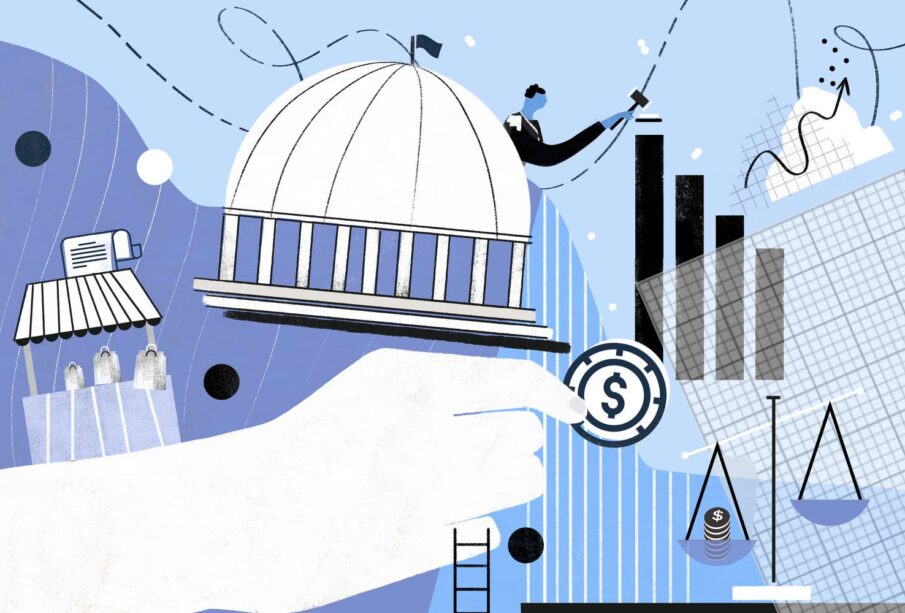
Entrepreneurs do not operate in isolation.
Instead, they build and grow their businesses within environments shaped by political decisions. Governments influence everything from taxation to trade, and these decisions can either create opportunities or present serious obstacles. Understanding how politics affects entrepreneurship helps business owners prepare, adapt, and thrive.
Tax Policies and Financial Pressure
Taxation stands out as one of the most direct ways political decisions impact entrepreneurs. Governments set corporate tax rates, value-added taxes, and import duties, all of which affect a business’s bottom line. When tax rates rise, entrepreneurs often face reduced profits and tighter cash flow. As a result, they may cut costs, delay expansion, or increase prices. On the other hand, tax incentives, such as tax holidays or deductions, can encourage startups and attract investment. Therefore, entrepreneurs must stay informed about tax reforms and plan accordingly.
Regulatory Environment and Ease of Doing Business
Governments establish regulations that determine how easy or difficult it is to start and run a business. These include licensing requirements, registration processes, and compliance rules. A streamlined regulatory system encourages entrepreneurship by reducing delays and administrative burdens. Conversely, excessive bureaucracy can discourage innovation and push small businesses into the informal sector. For this reason, many entrepreneurs closely monitor government reforms aimed at improving the ease of doing business.
Access to Funding and Government Support
Political decisions often shape access to funding. Governments may introduce grants, low-interest loans, or funding programs designed to support small and medium-sized enterprises (SMEs). When policymakers prioritize entrepreneurship, they create initiatives that provide financial backing and mentorship. However, inconsistent policies or poor implementation can limit access to these opportunities. Consequently, entrepreneurs must remain proactive in identifying and leveraging available support.
Trade Policies and Market Expansion
Trade policies significantly influence entrepreneurs, especially those involved in import and export activities. Tariffs, trade agreements, and border regulations determine how easily businesses can access international markets.
For example, favorable trade agreements can open new opportunities by reducing costs and expanding customer bases. In contrast, restrictive policies can increase expenses and limit growth. Therefore, entrepreneurs engaged in cross-border trade must pay close attention to changes in trade laws.
Infrastructure Development and Business Growth
Political decisions also determine the quality of infrastructure, including roads, electricity, internet access, and transportation systems. These factors directly affect business operations.
Reliable infrastructure lowers operating costs and improves efficiency. For instance, stable electricity reduces reliance on generators, while good roads simplify logistics. On the other hand, poor infrastructure can slow down production and increase expenses. As a result, entrepreneurs often advocate for policies that prioritize infrastructure development.
Political Stability and Investor Confidence
Political stability plays a crucial role in shaping the business environment. Stable governments foster confidence among entrepreneurs and investors, encouraging long-term planning and investment.
In contrast, political uncertainty, such as frequent policy changes or unrest, creates risks. Entrepreneurs may hesitate to expand or invest in such conditions. Thus, stability remains a key factor in entrepreneurial success.
Labor Laws and Workforce Management
Labor policies influence how entrepreneurs hire, manage, and compensate employees. Minimum wage laws, employee benefits, and workplace regulations all fall under this category.
Balanced labor laws protect workers while allowing businesses to operate efficiently. However, overly strict regulations can increase operational costs, especially for small businesses. Therefore, entrepreneurs must adapt their workforce strategies to comply with these laws while maintaining productivity.
Innovation Policies and Technology Growth
Governments often introduce policies that support innovation, such as funding for research, digital transformation programs, and intellectual property protection.
When political leaders prioritize innovation, entrepreneurs benefit from improved access to technology and resources. This support can drive competitiveness and open new markets. Conversely, weak policies in this area can slow technological progress and limit business growth.
Conclusion
Political decisions shape the environment in which entrepreneurs operate. From taxes and regulations to trade and infrastructure, government actions influence both opportunities and challenges.
Entrepreneurs who stay informed and adaptable gain a strategic advantage. By understanding political trends and aligning their strategies accordingly, they can navigate uncertainty and position their businesses for long-term success.




Leave a reply






Africa’s Source for Breaking News | Entertainments | Health | Finance | Sports | Lifestyle and Business News.


