
Psychology of Marketing Small Businesses
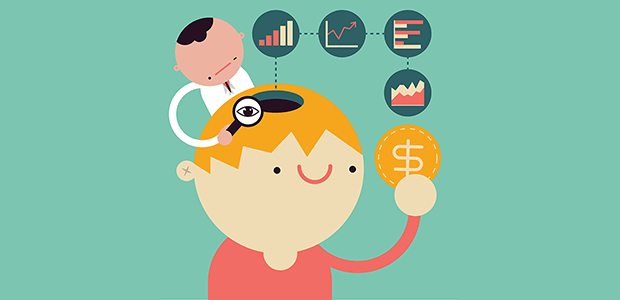
Marketing is often seen as a numbers game, budgets, analytics, and conversion rates.
But at its core, marketing is about people. For small businesses especially, understanding human behavior can be the difference between blending in and standing out. The psychology of marketing focuses on how customers think, feel, and make decisions, and how businesses can ethically influence those decisions.
Understanding Customer Behavior
Consumers rarely make purely logical decisions. Emotions, habits, and subconscious biases play a huge role in what people buy. For small businesses, this means that simply offering a good product is not enough, you must also connect with your audience on a psychological level.
Customers tend to ask themselves questions like:
- “Do I trust this brand?”
- “Will this solve my problem?”
- “Is this worth my money?”
Answering these questions effectively requires more than facts; it requires empathy and insight into your audience’s mindset.
The Power of First Impressions
First impressions are formed within seconds. Whether it’s a website, social media page, or physical storefront, the initial experience shapes how customers perceive your business.
Clean design, clear messaging, and a professional appearance signal credibility. On the other hand, clutter or confusion can quickly turn potential customers away. Small businesses should focus on simplicity and clarity to build immediate trust.
Emotional Triggers in Marketing
Emotions drive action. Successful marketing taps into feelings such as:
- Happiness (joy of using a product)
- Fear (missing out on an opportunity)
- Belonging (being part of a community)
- Relief (solving a problem)
For example, a small fitness brand might highlight the confidence and energy customers gain, rather than just listing workout features. When people feel something, they are more likely to act.
Social Proof and Trust
People are influenced by what others do. This is known as social proof. Reviews, testimonials, and user-generated content help potential customers feel more confident in their decisions.
For small businesses, this is especially powerful. A few positive reviews can significantly boost credibility. Sharing customer experiences, whether through ratings, photos, or stories, helps build trust organically.
The Principle of Scarcity
Scarcity creates urgency. When people believe something is limited, they are more likely to act quickly.
Phrases like:
- “Limited stock available”
- “Offer ends soon”
- “Only a few spots left”
can encourage faster decision-making. However, authenticity is key. False scarcity can damage trust if customers feel misled.
Consistency and Branding
Consistency builds familiarity, and familiarity builds trust. From logo and colors to tone of voice and messaging, a consistent brand makes a business more memorable.
Small businesses should aim to create a clear identity that customers can recognize instantly. Over time, this consistency helps establish reliability and professionalism.
The Role of Storytelling
People remember stories more than facts. A compelling brand story can make a business relatable and human. Sharing why your business started, the challenges you’ve faced, or the impact you aim to create helps customers connect on a deeper level. Storytelling transforms a transaction into a relationship.
Pricing Psychology
Pricing is not just about cost, it’s about perception. Strategies like:
- Ending prices in “.99”
- Offering tiered pricing options
- Highlighting discounts
can influence how customers perceive value. For instance, showing a “before and after” price makes a deal feel more attractive, even if the savings are small.
Building Long-Term Relationships
The psychology of marketing is not only about making a sale, it’s about creating loyalty. Customers who feel valued are more likely to return and recommend your business to others.
Simple actions like:
- Personalized messages
- Loyalty rewards
- Excellent customer service
can strengthen emotional connections and encourage repeat business.
Conclusion
The psychology of marketing gives small businesses a powerful advantage. By understanding how people think and feel, businesses can create more meaningful connections, build trust, and inspire action.
Rather than focusing solely on selling, successful small businesses focus on understanding. When you align your marketing with human behavior, you don’t just attract customers, you build lasting relationships that drive sustainable growth.




Leave a reply







Africa’s Source for Breaking News | Entertainments | Health | Finance | Sports | Lifestyle and Business News.


