
Rainforests: Earth’s Natural Defense System
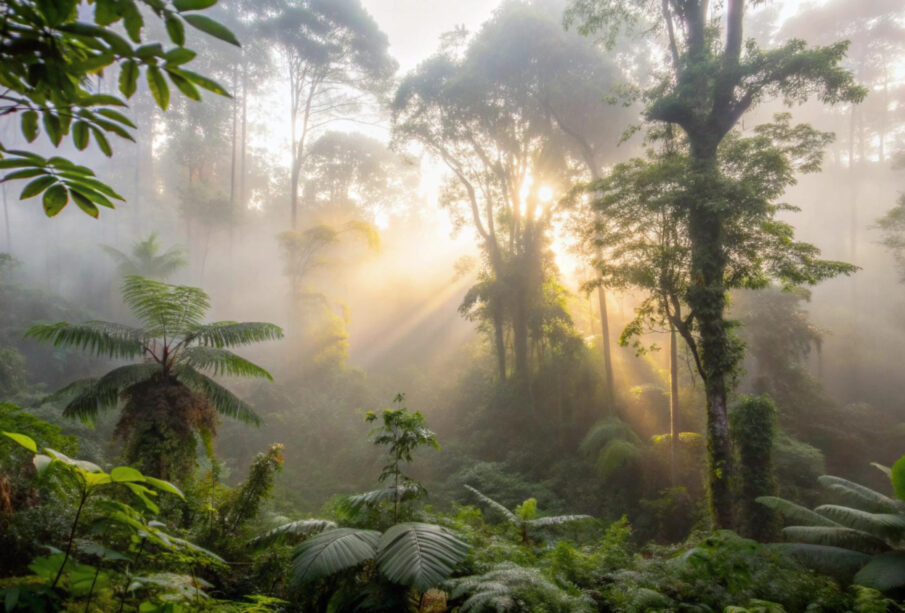
Rainforests are among the most important ecosystems on Earth.
Often called the planet’s “green lungs,” they play a vital role in protecting the environment and maintaining the balance of life. From regulating climate to preserving biodiversity, rainforests act as a powerful natural defense system for the planet.
The Climate Regulators
One of the most important roles of rainforests is climate regulation. These dense forests absorb large amounts of carbon dioxide, one of the main gases responsible for global warming. Trees store carbon in their trunks, branches, and roots. As a result, they help reduce the amount of greenhouse gases in the atmosphere.
The Amazon Rainforest, often called the largest rainforest in the world, absorbs billions of tons of carbon dioxide each year. Because of this, it plays a major role in slowing the pace of climate change. When forests are destroyed, however, that stored carbon is released back into the atmosphere, worsening global warming.
Rainforests also influence rainfall patterns. Through a process known as Evapotranspiration, trees release moisture into the air. This moisture forms clouds and contributes to rainfall both locally and in distant regions. In this way, rainforests help stabilize weather systems across continents.
Guardians of Biodiversity
Rainforests are home to an extraordinary variety of plants and animals. Although they cover less than 10 percent of Earth’s land surface, they contain more than half of the world’s species.
Regions such as the Congo Basin and the Daintree Rainforest support countless species that cannot survive anywhere else. Many of these plants and animals have not even been discovered yet.
This biodiversity is crucial for the health of the planet. Each species plays a role in maintaining ecological balance. Pollinators help plants reproduce, predators control animal populations, and decomposers recycle nutrients back into the soil.
Natural Medicine Cabinets
Rainforests also provide valuable resources for medicine. Scientists estimate that a large percentage of modern medicines are derived from rainforest plants.
For example, treatments for diseases such as Malaria and Leukemia have roots in compounds discovered in tropical plants. Despite this, only a small fraction of rainforest plants have been studied for medical use. This means rainforests may still hold cures for many illnesses.
Protecting Soil and Water
Rainforests play a critical role in protecting soil and maintaining clean water systems. Their dense vegetation prevents soil erosion by holding the ground together with complex root networks.
Additionally, rainforest canopies slow down heavy rainfall. This allows water to seep slowly into the soil rather than rushing away as destructive floods. In doing so, forests help maintain rivers and groundwater supplies.
Threats to the Planet’s Defense System
Despite their importance, rainforests face serious threats. Logging, agriculture, mining, and urban expansion continue to destroy large areas of forest every year.
Deforestation weakens Earth’s natural defense system. It reduces biodiversity, disrupts climate patterns, and increases the risk of natural disasters such as floods and droughts. In regions like the Amazon Rainforest, scientists warn that continued deforestation could push the ecosystem toward an irreversible tipping point.
The Path Forward
Protecting rainforests requires global cooperation. Governments, conservation groups, and local communities must work together to promote sustainable practices.
Organizations such as the World Wildlife Fund and the Rainforest Alliance are actively working to conserve rainforest ecosystems and promote responsible land use.
Individuals also have a role to play. Supporting sustainable products, reducing waste, and raising awareness can contribute to rainforest protection.
Conclusion
Rainforests are far more than just dense forests. They are essential life-support systems that regulate climate, protect biodiversity, and provide valuable resources for humanity. As Earth’s natural defense system, their survival is closely tied to our own.
Protecting rainforests today is not only an environmental responsibility, it is an investment in the future of life on Earth. 🌍🌳




Leave a reply





Africa’s Source for Breaking News | Entertainments | Health | Finance | Sports | Lifestyle and Business News.


