
Raising Emotionally Intelligent Kids
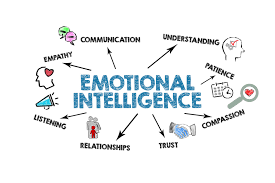
In today’s fast-paced and highly connected world, academic success alone is not enough to prepare children for life.
The ability to understand emotions, communicate effectively, and build healthy relationships plays a crucial role in personal and social success. This ability is known as emotional intelligence. Raising emotionally intelligent kids means helping them recognize their feelings, manage them in healthy ways, and understand the emotions of others.
Parents and caregivers play a key role in shaping this skill. With patience, guidance, and everyday teaching moments, families can nurture emotional intelligence from an early age.
Understanding Emotional Intelligence in Children
Emotional intelligence refers to the ability to identify, understand, and manage emotions, both one’s own and those of others. For children, this includes skills such as recognizing feelings, expressing emotions appropriately, showing empathy, and resolving conflicts peacefully.
Children who develop strong emotional intelligence often communicate better, build stronger friendships, and cope more effectively with challenges. They also tend to show greater self-confidence and resilience.
Teaching Children to Recognize Their Emotions
The first step in emotional intelligence is emotional awareness. Children must learn how to identify what they are feeling. Parents can help by encouraging kids to name their emotions.
Instead of dismissing a child’s feelings, acknowledge them. For example, if a child is upset after losing a game, a parent might say, “I see you’re feeling disappointed. That’s okay.” This simple validation teaches children that emotions are normal and manageable.
Storybooks, conversations, and everyday experiences can also help children learn emotional vocabulary.
Modeling Healthy Emotional Behavior
Children learn a great deal by observing adults. Parents who handle stress calmly, communicate respectfully, and express emotions in healthy ways set powerful examples.
When parents admit mistakes, apologize when necessary, and explain their feelings, they demonstrate emotional responsibility. These behaviors show children how mature emotional responses work in real life.
Encouraging Empathy and Understanding
Empathy; the ability to understand and share the feelings of others, is a core part of emotional intelligence. Parents can nurture empathy by encouraging children to consider how others feel in different situations.
Simple questions like “How do you think your friend felt when that happened?” help children develop perspective-taking skills. Activities such as volunteering, helping family members, or caring for pets can also strengthen empathy.
Teaching Healthy Ways to Manage Emotions
Strong emotions like anger, frustration, or sadness are part of growing up. Emotionally intelligent children learn how to manage these feelings instead of reacting impulsively.
Parents can teach coping strategies such as taking deep breaths, counting to ten, talking about feelings, or taking a short break to calm down. Over time, these techniques help children develop self-control and emotional balance.
Creating a Safe Environment for Expression
Children need to feel safe expressing their emotions without fear of punishment or ridicule. A supportive environment encourages open communication.
Family discussions, regular check-ins, and attentive listening allow children to share their thoughts and feelings freely. When children know they are heard and respected, they are more likely to develop strong emotional awareness.
Encouraging Problem-Solving and Conflict Resolution
Emotionally intelligent kids learn how to resolve conflicts constructively. Instead of immediately solving problems for them, parents can guide children to think through solutions.
Ask questions like, “What do you think would make this situation better?” or “How can you and your friend fix this problem?” These conversations build decision-making skills and emotional maturity.
The Long-Term Benefits
Children raised with strong emotional intelligence often grow into adults who manage stress well, communicate effectively, and maintain healthy relationships. These skills also support leadership, teamwork, and personal growth throughout life.
While developing emotional intelligence takes time, the effort invested during childhood can shape a child’s well-being for decades to come.
Conclusion
Raising emotionally intelligent kids is not about eliminating negative emotions. Instead, it is about teaching children how to understand and manage their feelings while respecting the emotions of others. Through empathy, guidance, and positive role modeling, parents can help children build emotional skills that support success in school, relationships, and life.




Leave a reply




Africa’s Source for Breaking News | Entertainments | Health | Finance | Sports | Lifestyle and Business News.


