
Redemption Stories: Ex-Convicts Who Changed Their Lives
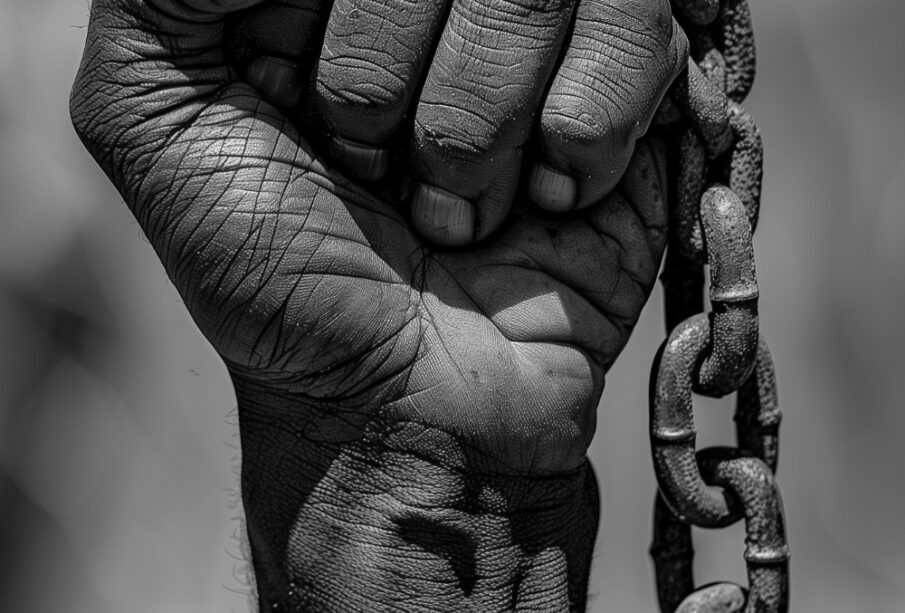
Ex-Convicts Who Changed Their Lives
In the crowded streets of Lagos, a man sets up a small roadside stall selling vegetables. Passersby know him as Mr. Ade, a hardworking vendor. Few know that ten years ago, he spent time behind bars for armed robbery.
Across Africa, countless similar stories exist; people who were once imprisoned, once stigmatized, now reshaping their lives, families, and communities. These are not just tales of personal triumph; they are lessons in resilience, rehabilitation, and the transformative power of opportunity.
Redemption is not simple. It is rarely linear. But these stories show that a criminal past does not have to define a lifetime.
The Road from Prison to Reintegration
Life in prison is often harsh. In overcrowded cells in cities like Nairobi, Johannesburg, or Accra, ex-convicts confront not just punishment but a lack of support, trauma, and the stigma of their label.
For many, release brings relief, and a new set of challenges:
-
Difficulty finding employment
-
Social stigma and ostracism
-
Family mistrust or abandonment
-
Temptation to return to old habits
Yet, amid these obstacles, some individuals navigate a path of transformation.
Stories of Transformation
1. From Street Crime to Social Entrepreneurship
In Cape Town, Sipho grew up in the township of Khayelitsha. As a teenager, he joined a local gang, engaging in petty theft and violent confrontations. After a three-year prison sentence, he realized that the streets would never provide stability or dignity.
With guidance from a rehabilitation program and mentorship from a former teacher, Sipho started a small recycling business. Today, he employs other former gang members, providing them with both income and a sense of purpose. His life shows that entrepreneurship can be a powerful tool for redemption.
2. From Fraud to Financial Literacy Advocacy
In Lagos, Chinedu was involved in online fraud schemes in his early twenties. Arrested and jailed, he confronted the consequences of his actions for the first time. During incarceration, he attended educational programs and discovered a passion for finance.
Upon release, Chinedu founded a nonprofit teaching financial literacy to vulnerable youth in Lagos slums, helping them understand how to earn legally and manage money responsibly. His work prevents others from falling into the same traps.
3. From Addiction to Community Leadership
In Nairobi, Amina struggled with substance abuse before her incarceration for drug possession. Prison gave her the space to reflect, and with counseling support, she began addressing her addiction.
After release, Amina became a counselor and mentor, supporting women in similar circumstances in informal settlements like Mathare and Kibera. Today, her story is one of hope and empowerment, transforming both her life and her community.
Lessons from Redemption Stories
-
Opportunity Matters
Many ex-convicts succeed when they have access to education, mentorship, or employment. Without opportunity, recidivism rates remain high. -
Mentorship and Guidance Are Crucial
Individuals who receive personal guidance, from community leaders, former teachers, or NGO programs, are more likely to transform their lives. -
Community Support Reduces Stigma
Families and communities that accept returning citizens provide a foundation for success, breaking cycles of isolation and recidivism. -
Personal Reflection and Agency
True change often comes from within, a conscious decision to leave past behaviors behind and embrace new possibilities.
Breaking the Cycle: Rehabilitation Over Punishment
Redemption stories highlight a central truth: punishment alone is not enough. Criminal justice systems must combine accountability with support for reintegration.
In many African countries, rehabilitation programs remain underfunded or inaccessible. Yet NGOs and community initiatives are showing what works: vocational training, counseling, microloans, and mentorship programs can transform lives.
Investing in rehabilitation is not charity, it is smart social policy. Every individual who successfully reintegrates reduces crime, strengthens families, and contributes to the economy.
The Power of Hope and Second Chances
Redemption is more than a personal journey. It is a societal opportunity. Every ex-convict who rebuilds their life challenges stereotypes, inspires others, and strengthens communities.
The stories of Sipho in Cape Town, Chinedu in Lagos, and Amina in Nairobi remind us that change is possible, even when circumstances seem insurmountable.
When societies provide support, guidance, and opportunity, redemption is not just a story, it is a movement.
Conclusion: Seeing Potential Beyond the Past
Ex-convicts who change their lives teach us that the past does not have to dictate the future. They remind us that resilience, opportunity, and community support can transform lives, and that rehabilitation is not just a moral imperative, but a social investment.
In celebrating redemption stories, African societies can shift from punishment-focused policies to approaches that embrace healing, growth, and second chances. After all, the measure of a society is not only how it punishes wrongdoing, but how it enables transformation.



Leave a reply




Africa’s Source for Breaking News | Entertainments | Health | Finance | Sports | Lifestyle and Business News.


