
Saving Money Through Cooperative Food Buying
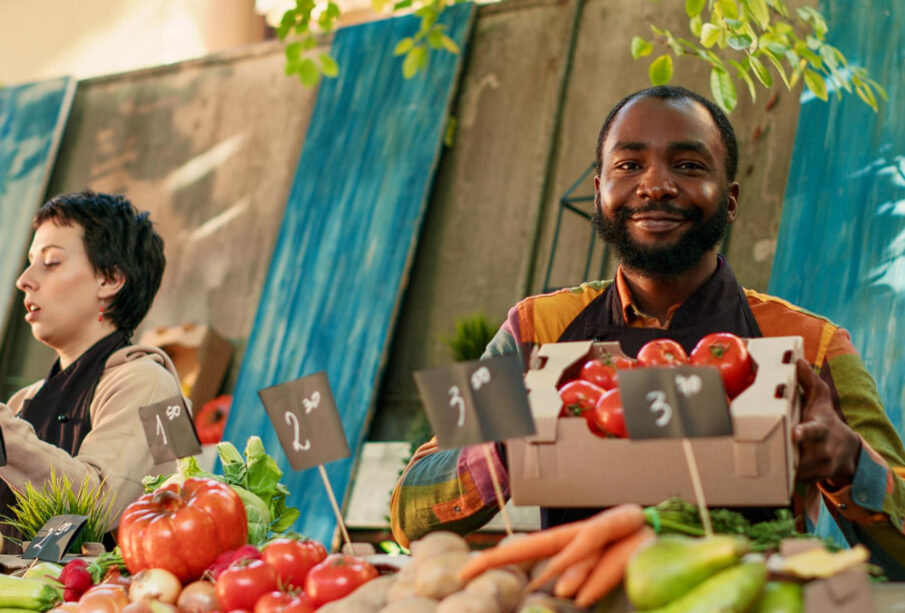
Across Nigeria and many parts of Africa, rising food prices, inflation, and fluctuating transportation costs have made everyday grocery shopping more challenging for households.
As a result, many families are turning to a practical and culturally familiar solution: cooperative food buying , a system where neighbors, friends, coworkers, or community members pool money together to buy food in bulk and share it.
This approach is not entirely new. In many African communities, collective purchasing has long existed informally through extended families, religious groups, and neighborhood associations. Today, however, it is becoming an essential strategy for managing household expenses.
What Is Cooperative Food Buying?
Cooperative food buying involves a group of people contributing money to purchase food items in large quantities directly from wholesalers or major markets. After purchase, the food is divided among members according to their contributions.
For example:
-
Ten households contribute funds to buy a full bag of rice at a wholesale price.
-
A group jointly purchases cartons of noodles, vegetable oil, or frozen chicken.
-
Neighbors combine resources to buy beans, garri, or yam in bulk from open markets.
Because bulk prices are lower than retail prices, everyone saves money.
Why Cooperative Buying Works Well in Nigeria
1. Bulk Purchases Reduce Food Costs
In Nigerian markets, buying a full bag of staples is usually far cheaper per portion than buying small “paint rubber” or cup measurements daily.
Common cooperative purchases include:
-
50kg bags of rice
-
Beans and garri
-
Semovita and flour
-
Palm oil and vegetable oil
-
Onions, pepper, and tomatoes in baskets
For instance, a full bag of rice purchased at wholesale price in markets like Bodija Market in Ibadan or Mile 12 Market in Lagos can cost significantly less per kilogram than buying in smaller retail quantities.
2. Shared Transport and Logistics
Transportation is a major contributor to food costs in Nigeria due to fuel price fluctuations. When individuals shop separately, each person pays transport fares or delivery costs.
Cooperative buying allows members to:
-
Hire one vehicle for delivery
-
Share fuel expenses
-
Reduce repeated market trips
This shared logistics approach can lead to noticeable monthly savings.
3. POS and Mobile Transfers Make Payments Easier
Digital payments have made cooperative buying easier than ever. Instead of handling large amounts of cash, members can contribute using:
-
Bank transfers
-
Mobile banking apps
-
POS agents within neighborhoods
A group coordinator can collect payments digitally, record contributions, and complete bulk payments quickly at the market or with suppliers.
4. Protection Against Price Fluctuations
Food prices in Nigeria can change weekly due to inflation, exchange rate shifts, or seasonal shortages. Cooperative buying helps households lock in prices by purchasing larger quantities at once.
Buying bulk food early in the month often protects families from sudden price increases later.
The Role of Neighborhood Buying Groups
Across many Nigerian cities and towns, informal buying groups are growing rapidly. These groups may include:
-
Street or compound residents
-
Church or mosque members
-
Office colleagues
-
Parents in school communities
-
Market women associations
WhatsApp groups often serve as coordination hubs where members:
-
Vote on items to purchase
-
Confirm prices
-
Send payments
-
Arrange pickup or delivery schedules
This digital coordination blends traditional communal living with modern technology.
Additional Benefits Beyond Saving Money
Stronger Community Support
Cooperative buying encourages trust and cooperation. Members often help one another during financial difficulties, allowing flexible contributions or shared resources.
Better Meal Planning
Having food stocked at home reduces daily market trips and helps families plan meals more effectively.
Reduced Impulse Spending
Frequent small purchases at local shops often lead to extra spending. Bulk buying encourages discipline and budget control.
How to Start a Cooperative Food Buying Group in Your Area
1. Start Small
Begin with 3–5 trusted households or friends.
2. Choose Everyday Staples
Focus on items everyone uses regularly, such as rice, beans, oil, or garri.
3. Identify Reliable Markets or Suppliers
Compare prices between major markets, wholesalers, and farm suppliers.
4. Assign Clear Roles
-
Coordinator (organizes orders)
-
Treasurer (tracks payments)
-
Distribution manager (handles sharing)
5. Collect Payments Before Purchase
This prevents misunderstandings and financial strain on any member.
6. Agree on Fair Sharing Methods
Use weighing scales or pre-measured portions to ensure transparency.
Challenges to Watch For
While cooperative buying is effective, groups should plan for common issues:
-
Storage space limitations in smaller homes
-
Late payments from members
-
Price changes between agreement and purchase
-
Fair distribution concerns
Clear communication and written records help maintain trust.
Practical Tips for Success
-
Use a digital spreadsheet or notebook to track contributions.
-
Rotate leadership roles to avoid burnout.
-
Schedule purchases monthly or bi-monthly.
-
Buy non-perishables in larger quantities than perishables.
-
Always verify market prices before collecting payments.
Why Cooperative Food Buying Is Growing Across Africa
Economic pressures across many African countries are encouraging people to rediscover community-based solutions. Cooperative buying reflects a long-standing African value, collective survival and shared responsibility. By combining traditional cooperation with modern tools like mobile payments and messaging apps, families can reduce food expenses while strengthening social connections.
In today’s economy, cooperative food buying is more than a savings strategy; it is a smart, community-driven way to maintain financial stability and food security.



Leave a reply







Africa’s Source for Breaking News | Entertainments | Health | Finance | Sports | Lifestyle and Business News.


