
Smart Living in Modern Cities
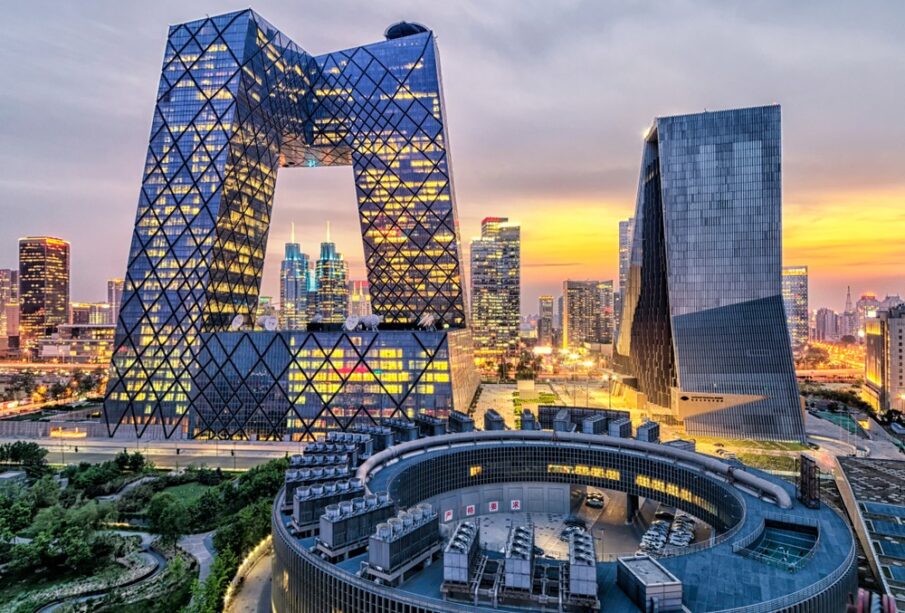
Modern cities are expanding at an unprecedented pace.
From bustling commercial hubs to fast-growing residential neighborhoods, urban environments are becoming the center of opportunity, innovation, and lifestyle transformation. But with growth comes complexity, traffic congestion, rising costs of living, environmental challenges, and digital overload. Smart living in modern cities is about navigating these realities intentionally, using technology, planning, and mindset to create a balanced, efficient, and fulfilling urban life.
What Is Smart Living?
Smart living is not just about living in a “smart city.” While global examples like Singapore and Dubai showcase advanced infrastructure and digital integration, smart living is more personal. It is about how individuals use available tools, systems, and habits to improve daily life.
It combines:
-
Efficient use of time
-
Financial awareness
-
Technology integration
-
Sustainable choices
-
Strong community engagement
In essence, it is urban living done deliberately.
1. Using Technology Wisely
Modern cities run on technology. From digital payments to smart transportation systems, technology can either simplify life or overwhelm it.
Smart urban dwellers:
-
Use ride-hailing and navigation apps to avoid traffic bottlenecks
-
Adopt cashless payments for convenience and safety
-
Automate bill payments and reminders
-
Use productivity apps to manage schedules
However, smart living also means setting boundaries. Constant notifications, social media overload, and screen fatigue can reduce focus and mental well-being. The key is to use technology as a tool, not let it control you.
2. Choosing Location Strategically
Where you live in a city shapes your daily experience. Proximity to work, schools, healthcare, and markets can save hours each week. Many professionals in cities like Lagos or Nairobi prioritize reducing commute times over renting larger homes farther away.
Smart living involves:
-
Calculating transportation costs versus rent
-
Considering access to public transit
-
Evaluating neighborhood safety
-
Checking proximity to essential services
Time saved from commuting can be invested in rest, skill-building, or family.
3. Practicing Financial Intelligence
Urban living can be expensive. Rent, utilities, transportation, food, and lifestyle costs add up quickly.
Smart city residents:
-
Track monthly expenses
-
Plan bulk purchases to reduce cost
-
Use cooperative buying groups
-
Avoid impulse lifestyle spending
Financial discipline ensures that city opportunities translate into long-term wealth instead of constant financial pressure.
4. Prioritizing Sustainability
Modern cities generate significant waste and consume vast amounts of energy. Smart living includes environmentally responsible habits:
-
Reducing single-use plastics
-
Supporting local markets
-
Conserving electricity and water
-
Using public transport when possible
Sustainable choices reduce expenses and contribute to a healthier urban ecosystem.
5. Building Community in a Busy Environment
Ironically, cities can feel isolating despite being densely populated. Smart living involves intentional social connection.
Join:
-
Professional networks
-
Religious or community groups
-
Neighborhood associations
-
Skill-sharing circles
Strong social ties improve mental health, provide security, and create collaborative opportunities.
6. Protecting Health and Well-being
Fast-paced urban life often leads to burnout. Smart living requires balancing ambition with health:
-
Scheduling regular exercise
-
Choosing healthier street food alternatives
-
Managing stress intentionally
-
Creating digital detox periods
Urban success loses meaning without physical and mental wellness.
7. Adapting to Change
Cities evolve constantly. New policies, technologies, and economic shifts can reshape daily routines. Smart residents remain flexible, upgrading skills, exploring new income streams, and staying informed. Adaptability is the true survival skill of modern urban life.
Conclusion
Smart living in modern cities is not about luxury or expensive gadgets. It is about intentional decisions, where to live, how to spend, how to connect, and how to grow. As cities continue to expand and innovate, individuals who combine technology, discipline, sustainability, and community will not just survive urban life, they will thrive in it.
In the end, smart living is less about the city itself and more about how wisely we choose to live within it.




Leave a reply




Africa’s Source for Breaking News | Entertainments | Health | Finance | Sports | Lifestyle and Business News.


