
Sports as a Tool for Leadership
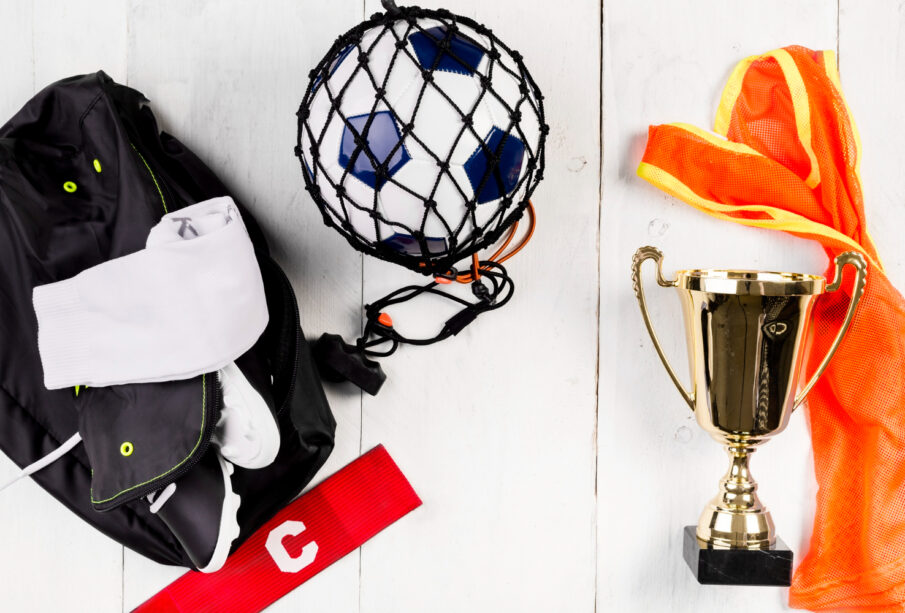
Sports are often seen as entertainment or physical activity, but their impact goes far beyond the playing field.
Across cultures and generations, sports have consistently served as a powerful training ground for leadership development. From school playgrounds to professional stadiums, sports teach individuals how to lead themselves and others under pressure, make decisions in real time, and work toward shared goals.
In a world where leadership is increasingly valued in business, education, and community development, sports remain one of the most practical and effective ways to build those skills.
1. Learning Accountability and Responsibility
One of the first leadership lessons in sports is accountability. Every player has a role, and success depends on each person fulfilling their responsibility. Whether it’s a striker missing a goal or a defender making a critical mistake, sports teach individuals to own their actions and learn from them.
This mindset is seen in elite athletes like Serena Williams, whose career reflects resilience, discipline, and accountability. Her ability to recover from setbacks and continue performing at the highest level demonstrates how personal responsibility is central to leadership.
In team sports, players quickly realize that blaming others weakens the entire group. Instead, leaders emerge when individuals step forward, accept responsibility, and focus on solutions.
2. Building Communication Skills
Effective leadership depends heavily on communication. Sports provide constant opportunities for players to communicate under pressure—calling plays, giving instructions, or encouraging teammates during difficult moments.
In fast-paced environments like football or basketball, communication must be clear, concise, and immediate. Miscommunication can cost the game, while strong communication can turn the tide in seconds.
This is why many successful business leaders and coaches emphasize sports as a foundation for developing interpersonal communication skills. Athletes learn not only how to speak but also how to listen, interpret body language, and respond appropriately.
3. Developing Decision-Making Under Pressure
Leadership often requires making quick and effective decisions, sometimes with incomplete information. Sports simulate this reality constantly. During major tournaments like the FIFA World Cup, players must make split-second decisions that can determine the outcome of an entire match. Whether it’s choosing to pass, shoot, or defend, athletes learn to evaluate risk and act decisively.
These experiences translate directly into real-world leadership scenarios, where hesitation can lead to missed opportunities and strong judgment is essential for success.
4. Encouraging Teamwork and Collaboration
No great leader succeeds alone. Sports reinforce this principle by making teamwork essential. Even the most talented athletes cannot win without coordination and support from their teammates. Team captains, in particular, learn how to unite individuals with different personalities, strengths, and weaknesses toward a common goal. They must motivate others, resolve conflicts, and ensure everyone contributes effectively.
Basketball legends like LeBron James are often highlighted not just for their skill, but for their leadership in organizing team dynamics and elevating the performance of others around them.
Through sports, individuals learn that leadership is not about dominance, it is about collaboration and influence.
5. Resilience in the Face of Failure
Failure is a natural part of sports. Teams lose matches, athletes miss opportunities, and injuries can disrupt careers. However, these challenges teach one of the most important leadership qualities: resilience. Athletes learn to recover mentally and emotionally after setbacks, analyze what went wrong, and return stronger. This resilience is crucial in leadership roles where challenges and uncertainty are constant.
Great leaders are not defined by never failing, but by how they respond to failure. Sports provide a safe yet intense environment to build this mindset early.
6. Leadership Through Discipline and Consistency
Behind every successful athlete is a routine of discipline, training schedules, diet control, practice sessions, and mental conditioning. Sports teach that consistent effort over time produces results. This discipline becomes a leadership trait because it sets an example for others. A disciplined player naturally influences teammates to adopt higher standards.
Over time, discipline builds credibility, and credibility is a foundation of leadership.
7. Inspiring Others Through Action
True leadership is often demonstrated more through actions than words. Sports provide countless examples of this principle. Captains and senior players lead by example, whether by pushing harder during training, staying calm under pressure, or supporting teammates after mistakes. Their behavior inspires others to improve.
This form of leadership is especially powerful because it is visible, authentic, and repeatable.
Conclusion
Sports are far more than physical competition; they are a structured environment for developing leadership skills that apply to every area of life. From accountability and communication to resilience and teamwork, sports teach lessons that shape strong, capable leaders.
Whether in schools, communities, or professional arenas, the values learned through sports continue to influence how individuals lead, collaborate, and succeed. In many ways, the playing field is one of the most effective leadership classrooms in the world.




Leave a reply







Africa’s Source for Breaking News | Entertainments | Health | Finance | Sports | Lifestyle and Business News.


