
Sustainable Food Habits

Food waste has become a global challenge affecting households, businesses, and the environment.
Many families throw away food not because they intend to waste it, but because they buy more than they can realistically consume. One practical solution gaining attention is shared food purchasing, a system where individuals, families, or communities buy food together and divide it according to their needs.
By pooling resources and planning purchases collectively, shared buying reduces excess consumption, lowers costs, and promotes more responsible food use. As living costs rise and sustainability becomes increasingly important, this approach offers both economic and environmental benefits.
What Is Shared Food Purchasing?
Shared food purchasing refers to a cooperative method of buying groceries or food supplies in groups rather than individually. Participants may include:
-
Families within the same neighborhood
-
Friends or coworkers
-
Student groups or roommates
-
Community associations
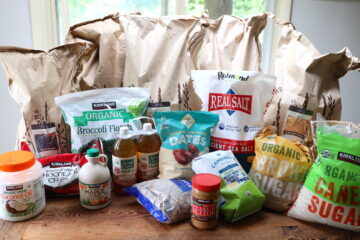
Instead of each household purchasing full-sized items separately, members buy in bulk and distribute portions among themselves. For example, rather than five households buying large bags of rice or vegetables that may spoil, they purchase one bulk quantity and divide it efficiently.
Why Food Waste Happens in the First Place
Understanding food waste helps explain why shared purchasing works so effectively. Common causes include:
1. Oversized Packaging
Many grocery items are sold in quantities larger than small households need.
2. Poor Meal Planning
Impulse buying often leads to unused ingredients sitting in refrigerators until they expire.
3. Misjudging Consumption
People frequently overestimate how much food they will cook or eat during the week.
4. Lack of Storage Capacity
Limited refrigeration or improper storage causes fresh food to spoil quickly.
Shared purchasing directly addresses these problems through planning and distribution.
How Shared Food Purchasing Reduces Waste
1. Buying Only What Is Needed
When food is divided among multiple buyers, each person receives manageable portions. This prevents food from sitting unused and eventually being discarded.
Instead of one household struggling to finish a large carton of produce, several households consume smaller shares efficiently.
2. Encourages Better Planning
Group purchasing usually requires coordination. Participants discuss:
-
Meal plans
-
Weekly needs
-
Quantity requirements
This planning reduces impulse buying and encourages intentional consumption.
3. Faster Food Consumption
Food purchased collectively tends to be consumed faster because it is distributed immediately. Fresh items like fruits, vegetables, and bread are less likely to spoil when shared among several households.
4. Reduces Duplicate Purchases
Individuals shopping separately may unknowingly buy items they already have at home. Shared systems often include organized lists, helping participants avoid unnecessary duplication.
5. Supports Bulk Buying Without Waste
Bulk buying is cost-effective but risky for smaller households. Shared purchasing allows people to enjoy lower prices without dealing with excess food that may expire.
This balance between affordability and practicality is one of the biggest advantages of cooperative buying.
Environmental Benefits of Shared Food Purchasing
Reducing food waste has a direct environmental impact:
-
Less food sent to landfills reduces methane emissions.
-
Fewer shopping trips lower fuel consumption.
-
Efficient distribution minimizes packaging waste.
Every kilogram of food saved also preserves the water, energy, and labor used to produce it.
Financial Advantages for Households
Beyond sustainability, shared food purchasing helps households manage expenses more effectively.
Lower Cost Per Unit
Bulk items typically cost less per kilogram or liter.
Shared Transportation Costs
Group shopping reduces travel expenses.
Reduced Waste = Saved Money
Food that isn’t thrown away is money that isn’t wasted.
For many families, especially in urban areas with rising food prices, these savings can be significant over time.
Social Benefits: Building Community Through Food
An often-overlooked advantage is the social connection created through cooperative buying. Shared purchasing encourages:
-
Trust and collaboration
-
Community interaction
-
Knowledge sharing about cooking and storage
Food becomes not just a necessity but a shared responsibility that strengthens social bonds.
Practical Tips for Starting Shared Food Purchasing
If you want to try this system, start small and simple:
-
Form a small group of trusted participants.
-
Create a shared shopping list using messaging apps or spreadsheets.
-
Assign purchasing roles to avoid confusion.
-
Divide food immediately after purchase.
-
Track costs transparently to maintain fairness.
Consistency and clear communication are key to long-term success.
Challenges and How to Overcome Them
While beneficial, shared purchasing may face obstacles:
-
Scheduling conflicts → Set fixed shopping days.
-
Unequal consumption needs → Customize portions.
-
Payment disagreements → Use clear cost-sharing methods.
With proper organization, these challenges are easily manageable.
The Future of Food Consumption
As awareness about sustainability grows, shared consumption models are becoming more popular worldwide. From cooperative markets to neighborhood buying groups, people are rediscovering collective solutions to modern problems.
Shared food purchasing represents a shift away from individual excess toward smarter, community-centered consumption.
Conclusion
Shared food purchasing is a simple yet powerful way to reduce waste, save money, and promote sustainable living. By buying collectively and distributing food thoughtfully, households avoid overconsumption while maximizing resources.
In a world where food waste remains a major issue, small cooperative actions can create meaningful change. Sometimes, the smartest way to consume less is simply to share more.



Leave a reply




Africa’s Source for Breaking News | Entertainments | Health | Finance | Sports | Lifestyle and Business News.


