
The Science of Curiosity
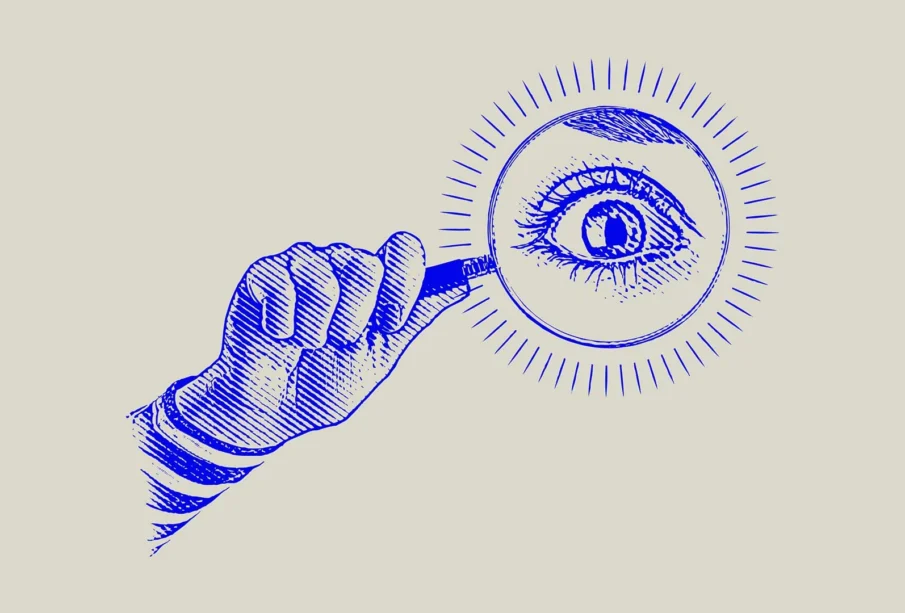
Curiosity is one of the most powerful forces driving human progress.
It fuels discovery, inspires creativity, and pushes individuals to explore beyond the boundaries of what is known. From a child asking endless “why” questions to scientists unraveling the mysteries of the universe, curiosity lies at the heart of learning and innovation. But what exactly is curiosity, and why does it play such a crucial role in our lives?
What Is Curiosity?
Curiosity is the natural desire to seek new information, experiences, and understanding. Psychologists often describe it as a motivational state that encourages exploration and learning. Rather than being a random trait, curiosity is deeply rooted in human biology and cognition.
There are generally two types of curiosity:
- Epistemic curiosity: The desire for knowledge and understanding (e.g., learning a new skill or solving a puzzle).
- Perceptual curiosity: The urge to explore novel or surprising sensory experiences (e.g., noticing an unusual sound or sight).
Both types work together to keep the brain engaged and responsive to the environment.
The Brain on Curiosity
Curiosity is not just a feeling, it is a measurable process in the brain. When you become curious, several regions of the brain become active, particularly those associated with reward and memory.
The brain releases dopamine, a neurotransmitter linked to pleasure and motivation. This chemical surge makes learning feel rewarding, encouraging you to continue seeking answers. Interestingly, curiosity also enhances activity in the hippocampus, the area responsible for memory formation. As a result, information learned while you are curious is more likely to be retained.
In simple terms, curiosity primes the brain to learn better and remember more effectively.
Why Curiosity Matters
Curiosity plays a vital role in many aspects of life:
1. Learning and Education
Curious individuals tend to absorb information more deeply. They ask questions, seek clarification, and connect ideas, leading to a stronger understanding of subjects.
2. Problem-Solving
Curiosity drives people to look beyond obvious solutions. It encourages critical thinking and creative approaches, which are essential for solving complex problems.
3. Personal Growth
A curious mindset promotes openness to new experiences. This openness leads to personal development, adaptability, and resilience in changing environments.
4. Innovation and Discovery
Nearly every major scientific and technological advancement began with a simple question. Curiosity pushes individuals to challenge assumptions and explore the unknown.
The Psychology Behind Curiosity
Researchers suggest that curiosity arises when there is a gap between what we know and what we want to know. This is often called the “information gap.” When we recognize that gap, our brain becomes motivated to close it.
However, curiosity is strongest when the gap is manageable. If something is too easy, it feels boring. If it is too difficult, it feels overwhelming. The sweet spot lies in moderate uncertainty, just enough to spark interest without causing frustration.
Can Curiosity Be Developed?
Yes, curiosity is not a fixed trait. You can actively cultivate it with simple habits:
- Ask more questions: Instead of accepting information at face value, dig deeper.
- Embrace uncertainty: View the unknown as an opportunity rather than a threat.
- Explore diverse topics: Read widely, try new activities, and expose yourself to different perspectives.
- Stay open-minded: Avoid jumping to conclusions; remain willing to learn and revise your views.
Barriers to Curiosity
Despite its benefits, curiosity can decline over time. Factors such as rigid routines, fear of failure, and over-reliance on quick answers can suppress it. For example, when people prioritize speed over understanding, they may stop asking meaningful questions.
Education systems and work environments that discourage questioning can also limit curiosity. Therefore, fostering a culture that values inquiry is essential.
Conclusion
Curiosity is more than a personality trait, it is a fundamental driver of learning, growth, and innovation. It activates the brain, enhances memory, and encourages exploration. By understanding the science behind curiosity, we can better appreciate its role in our lives and take deliberate steps to nurture it.
In a world that constantly evolves, staying curious is not just beneficial, it is essential.




Leave a reply






Africa’s Source for Breaking News | Entertainments | Health | Finance | Sports | Lifestyle and Business News.


