
Trade Routes That Changed World History
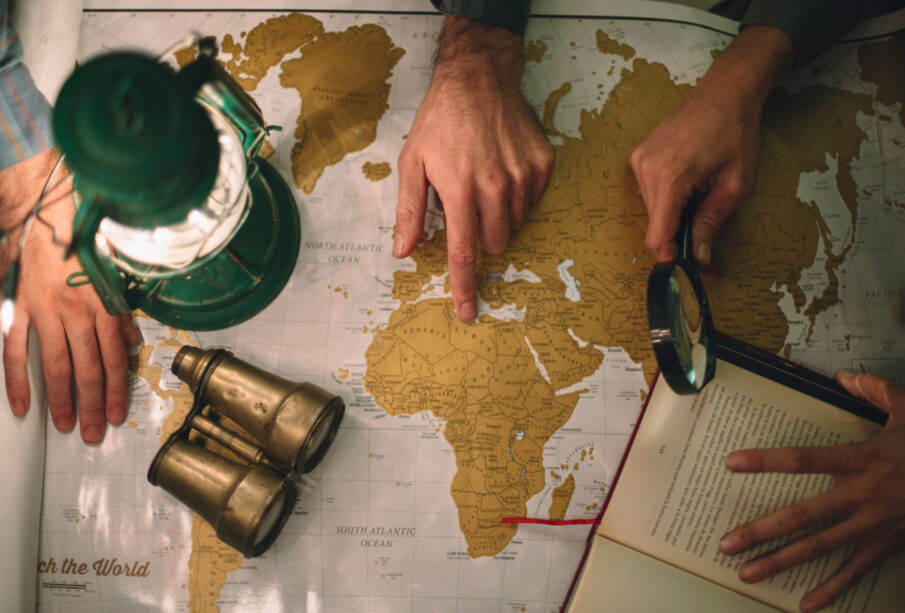
Throughout human history, trade routes have done far more than move goods from one place to another.
They connected civilizations, spread ideas and technologies, shaped cultures, and even determined the rise and fall of empires. Long before airplanes and digital commerce, networks of roads, sea lanes, and caravan paths formed the backbone of global interaction. Some of these trade routes changed the course of world history forever.
The Importance of Early Trade Routes
Trade routes emerged because communities possessed different resources. While one region might produce spices or silk, another specialized in metals, textiles, or agricultural goods. Trade allowed societies to exchange not only products but also knowledge, religion, language, and innovation.
These routes became early engines of globalization, linking distant civilizations centuries before the modern era.
The Silk Road: Connecting East and West
One of the most famous trade networks in history was the Silk Road. Rather than a single road, it was a vast network of land routes connecting East Asia to Europe and the Middle East.
Chinese silk was the most valuable commodity traded, but merchants also transported spices, paper, porcelain, gold, and precious stones. Along these routes, ideas traveled just as quickly as goods. Buddhism spread from India into China, while scientific and mathematical knowledge moved westward.
The Silk Road also encouraged cultural exchange, helping cities along the route grow into major economic and intellectual centers.
The Trans-Saharan Trade Routes: Wealth Across the Desert
Across North and West Africa, the Trans-Saharan trade routes transformed regional economies and political power. Caravans crossed the Sahara Desert carrying salt, gold, ivory, and textiles.
West African empires such as Mali and Ghana grew wealthy by controlling these trade networks. Cities like Timbuktu became centers of education, commerce, and Islamic scholarship. Trade helped spread Islam across large parts of Africa, influencing architecture, governance, and culture.
These routes demonstrated how geography, even harsh deserts, could become pathways to prosperity when trade systems were organized effectively.
The Indian Ocean Trade Network: The World’s First Maritime Highway
Long before European exploration, the Indian Ocean hosted a thriving maritime trade system linking East Africa, the Middle East, India, Southeast Asia, and China. Merchants used seasonal monsoon winds to travel efficiently between ports. Goods such as spices, cotton, ceramics, and perfumes flowed across the ocean, creating multicultural port cities where African, Arab, Indian, and Asian traders interacted.
This network encouraged technological advancements in navigation and shipbuilding and fostered cultural blending across coastal societies.
The Spice Routes: Driving Exploration and Empire
Spices like pepper, cinnamon, and cloves were once incredibly valuable in Europe, used for preservation, medicine, and cooking. The desire to control spice trade routes motivated European exploration during the 15th and 16th centuries.
Nations such as Portugal and Spain sought direct sea routes to Asia, leading to major voyages of discovery. These explorations reshaped global politics, initiated colonial expansion, and permanently linked continents through trade and migration.
The Atlantic Trade Routes: A Complex and Controversial Legacy
The Atlantic trade system connected Europe, Africa, and the Americas in what became known as the triangular trade. European goods were traded in Africa, enslaved Africans were transported to the Americas, and raw materials like sugar, tobacco, and cotton were shipped back to Europe.
While this trade generated enormous wealth and fueled industrial growth, it also caused immense human suffering through the transatlantic slave trade. Its consequences continue to shape global societies and economic inequalities today.
How Trade Routes Spread Ideas and Innovation
Trade routes were not only economic pathways, they were channels of transformation. Through trade, societies exchanged:
-
Religious beliefs and philosophies
-
Scientific discoveries and technologies
-
Languages and artistic styles
-
Agricultural crops and cooking traditions
For example, paper-making technology traveled westward from China, while new crops such as citrus fruits and rice spread across continents.
Lasting Impact on the Modern World
Modern globalization still reflects patterns established by ancient trade routes. Many major cities today developed from historic trading hubs. International shipping lanes, railways, and even digital commerce networks follow the same principle: connecting regions through exchange.
Today’s global economy owes much to the merchants, sailors, and caravan travelers who built early trade systems despite enormous risks and distances.
Conclusion
Trade routes changed world history by linking civilizations that might otherwise have remained isolated. They encouraged cooperation, competition, innovation, and cultural exchange on a global scale. From desert caravans to ocean voyages, these networks shaped economies, influenced cultures, and laid the foundations for the interconnected world we live in today.
Understanding these historic routes reminds us that human progress has always depended on connection, and that the exchange of ideas can be just as powerful as the exchange of goods.



Leave a reply







Africa’s Source for Breaking News | Entertainments | Health | Finance | Sports | Lifestyle and Business News.


