
Understanding Cybercrime in the Modern World
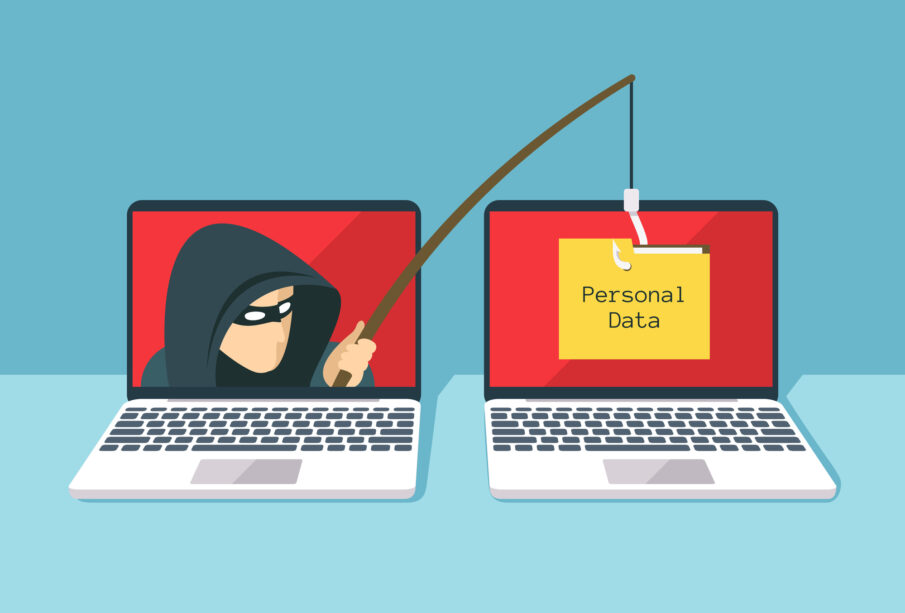
Phishing scam, hacker attack and web security vector concept. Illustration of phishing and fraud, online scam and steal (Phishing scam, hacker attack and web security vector concept. Illustration of phishing and fraud, online scam and steal, ASCII, 12 SSUCv3H4sIAAAAAAAEAI1Wy5KbMBC8pyr/4OK8rggwr1zzAbnktrUHIcagGJBLEnZcW/73DMYOMONkc7IlNa2ZnpfeP3/abIJSOq2Cr5v3cYVr3baD81Z6bXrcDl/u+1Bpb6yWLW6Kce96Owmcl35w4BYUrhm8B+u8UQfcjhdoJT3USLPCP0x4ndabx8HtEL/Ao+AHqKY3rakvwcvi1A3lePrNdMdhvDJ4nF1f/kH2vfwJyrtnTDPB9Oft4
Understanding Cybercrime in the Modern World: A Nigerian and African Perspective
The internet has transformed communication, banking, education, and business across Nigeria and Africa. Mobile banking, fintech platforms, online shopping, and remote work have made daily life faster and more convenient. However, this digital growth has also led to a sharp rise in cybercrime.
Cybercrime is no longer limited to large international hacking groups. Today, ordinary internet users, small businesses, students, and professionals can all become targets. Understanding how cybercrime works is the first step toward staying safe online.
What Is Cybercrime?
Cybercrime refers to criminal activities carried out using computers, smartphones, or internet networks. These crimes aim to steal money, personal data, or digital access through deception or technical attacks.
Common forms of cybercrime include:
-
Online banking fraud
-
Phishing emails and fake websites
-
Identity theft
-
Social media account hacking
-
Investment and cryptocurrency scams
-
Business email fraud
-
Online romance scams
Unlike traditional crimes, cybercrime can happen instantly and across borders, making recovery and prosecution more difficult.
Why Cybercrime Is Rising in Nigeria and Africa
1. Rapid Digital Adoption
Africa has experienced massive internet growth due to affordable smartphones and mobile data. Millions of people now rely on digital payments and online platforms, creating more opportunities for cybercriminals.
2. Growth of Digital Finance
Fintech services and mobile banking apps have improved financial inclusion. However, scammers often exploit users unfamiliar with online security practices.
3. Limited Cybersecurity Awareness
Many victims unknowingly share sensitive information through fake links, impersonation messages, or fraudulent customer support calls.
4. Economic Pressures
High unemployment rates in some regions have contributed to the rise of online fraud schemes targeting both local and international victims.
Common Cybercrime Examples in Nigeria and Africa
Phishing Scams
Victims receive messages pretending to be from banks, telecom companies, or delivery services asking them to “verify” their account details. These links usually lead to fake websites designed to steal login information.
Example:
A text message claiming your bank account will be blocked unless you click a link immediately.
Online Marketplace Fraud
Scammers pose as buyers or sellers on social media marketplaces. After receiving payment, they disappear without delivering goods.
Business Email Compromise (BEC)
Fraudsters impersonate company executives or suppliers and request urgent payments from employees or business owners.
Romance and Social Media Scams
Criminals build emotional relationships online and later request money for emergencies, travel, or investment opportunities.
Investment and Crypto Scams
Fake investment platforms promise unrealistic profits. Victims often see fake dashboards showing earnings before withdrawals become impossible.
The Real Impact of Cybercrime
Cybercrime affects more than individual victims. Its consequences ripple across society:
-
Financial losses for families and businesses
-
Reduced trust in digital banking systems
-
Business disruptions and reputational damage
-
Increased operational costs for companies
-
National economic challenges
Organizations such as Economic and Financial Crimes Commission (EFCC) and Nigeria Police Force increasingly investigate online fraud and digital financial crimes to combat these threats.
How Cybercriminals Target Victims
Modern cybercriminals rely more on psychology than advanced technology. They often use:
-
Urgency (“Act now or your account will be closed”)
-
Fear tactics
-
Fake authority figures
-
Emotional manipulation
-
Attractive financial offers
In many cases, human error, not technical weakness, enables the attack.
Cybersecurity Prevention Tips for Nigerians and Africans
1. Never Share Sensitive Information
Banks will never request your PIN, password, or OTP through calls, texts, or social media.
2. Verify Before You Pay
Always confirm payment requests through official phone numbers or verified channels.
3. Use Strong Passwords
Create unique passwords combining letters, numbers, and symbols. Avoid using birthdays or simple names.
4. Enable Two-Factor Authentication (2FA)
This adds an extra security layer even if your password becomes compromised.
5. Avoid Public Wi-Fi for Banking
Public networks increase the risk of data interception.
6. Check Website Addresses Carefully
Fake websites often look identical to real ones but contain slight spelling differences.
7. Update Your Devices Regularly
Software updates fix security vulnerabilities that criminals exploit.
The Role of Governments and Businesses
Cybercrime prevention requires collaboration between individuals, businesses, and governments. Across Africa, authorities are improving cybersecurity through:
-
Digital literacy campaigns
-
Cybercrime laws and enforcement units
-
Financial monitoring systems
-
Public awareness programs
International organizations like INTERPOL also support cross-border investigations since cybercriminal networks often operate globally.
The Future of Cybercrime in Africa
As artificial intelligence, digital currencies, and online services expand, cybercrime methods will continue evolving. Criminals increasingly use automation and social engineering techniques to scale attacks.
However, awareness and education remain powerful defenses. As more people learn safe online habits, cybercriminal success rates decline.
Conclusion
Cybercrime is one of the biggest challenges facing the modern digital world, especially in rapidly growing internet economies like Nigeria and other African countries. While technology brings convenience and opportunity, it also requires responsibility and awareness.
By understanding common scams, practicing good cybersecurity habits, and staying informed, individuals and businesses can safely enjoy the benefits of the digital age.




Leave a reply




Africa’s Source for Breaking News | Entertainments | Health | Finance | Sports | Lifestyle and Business News.


