
Urban Safety and Crime Design
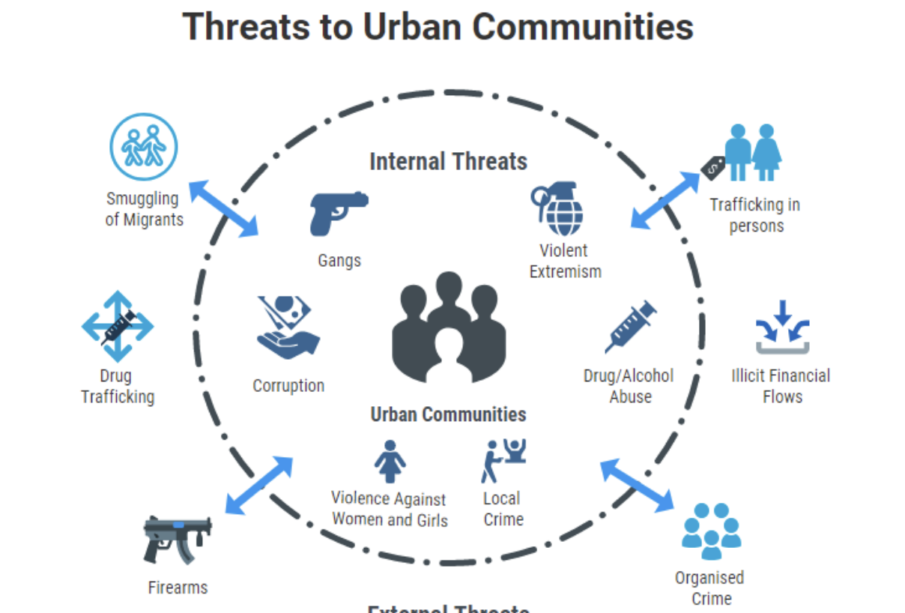
Cities are centers of opportunity, culture, and economic growth.
However, they also face complex safety challenges. As urban populations increase, so do concerns about crime, insecurity, and the overall well-being of residents. One powerful yet often overlooked solution lies in how cities are designed. Urban safety is not just about policing, it is also about planning environments that naturally discourage crime. This concept is commonly referred to as crime design or, more formally, Crime Prevention Through Environmental Design (CPTED).
Understanding Crime Design
Crime design focuses on how the physical layout of a city influences human behavior. Instead of reacting to crime after it happens, this approach aims to prevent it by shaping spaces in ways that reduce opportunities for wrongdoing. It recognizes a simple truth: people respond to their environment. Poorly lit streets, abandoned buildings, and confusing layouts can invite criminal activity, while well-maintained, open, and visible spaces tend to discourage it.
Key Principles of Urban Safety Design
Urban safety design rests on several core principles that guide how cities can reduce crime effectively.
1. Natural Surveillance
When spaces are visible to others, people are less likely to commit crimes. This principle encourages the use of street lighting, open sightlines, and windows facing public areas. For example, residential buildings that overlook streets can increase informal monitoring, making neighborhoods safer.
2. Access Control
Design can influence who enters and exits a space. Clearly marked pathways, limited entry points, and secure access systems help reduce unauthorized movement. This does not mean creating fortress-like environments but rather guiding movement in a structured way.
3. Territorial Reinforcement
People are more likely to protect spaces they feel ownership over. Clearly defined public and private areas, through fences, signage, or landscaping, encourage residents to take responsibility for their surroundings.
4. Maintenance and Management
Neglected environments often attract crime. The “broken windows” theory suggests that visible signs of disorder, such as graffiti or litter, can encourage further criminal activity. Regular maintenance signals that a space is cared for and monitored.
5. Activity Support
Busy areas are generally safer. Parks, markets, and public spaces that attract consistent activity create natural surveillance. When people are present, the likelihood of crime decreases.
Real-World Applications
Urban safety design can be applied in various ways across cities:
-
Street Lighting Improvements: Well-lit roads and pathways reduce the risk of nighttime crime.
-
Mixed-Use Developments: Combining residential, commercial, and recreational spaces keeps areas active throughout the day.
-
Safe Public Transportation Hubs: Clear signage, visibility, and security presence improve commuter safety.
-
Community Spaces: Parks and open areas designed for families and social interaction foster stronger community ties.
The Role of Technology
Modern cities are integrating technology into safety design. Surveillance cameras, smart lighting systems, and data analytics help monitor and respond to potential threats. However, technology works best when combined with thoughtful physical design rather than replacing it.
Challenges in Implementation
Despite its benefits, crime design faces challenges. Rapid urbanization, especially in developing cities, often leads to informal settlements where planning is limited. Budget constraints can also hinder large-scale redesign projects. Additionally, balancing security with freedom and privacy remains a critical concern.
Urban Safety in Growing Cities
In fast-growing urban centers, safety design becomes even more important. Cities experiencing population surges must plan proactively rather than reactively. Integrating safety into early development stages is more cost-effective and impactful than retrofitting existing infrastructure.
Community involvement also plays a vital role. Residents understand their neighborhoods best and can provide insights into local safety concerns. Engaging them in planning processes leads to more practical and accepted solutions.
Conclusion
Urban safety is not achieved by enforcement alone, it is built into the very structure of a city. Thoughtful design can reduce crime, improve quality of life, and create environments where people feel secure. As cities continue to expand, integrating safety into urban planning is no longer optional; it is essential. By designing spaces that promote visibility, community, and care, cities can become not only larger but safer and more livable for everyone.




Leave a reply




Africa’s Source for Breaking News | Entertainments | Health | Finance | Sports | Lifestyle and Business News.


