
Why Insurance Matters in Africa
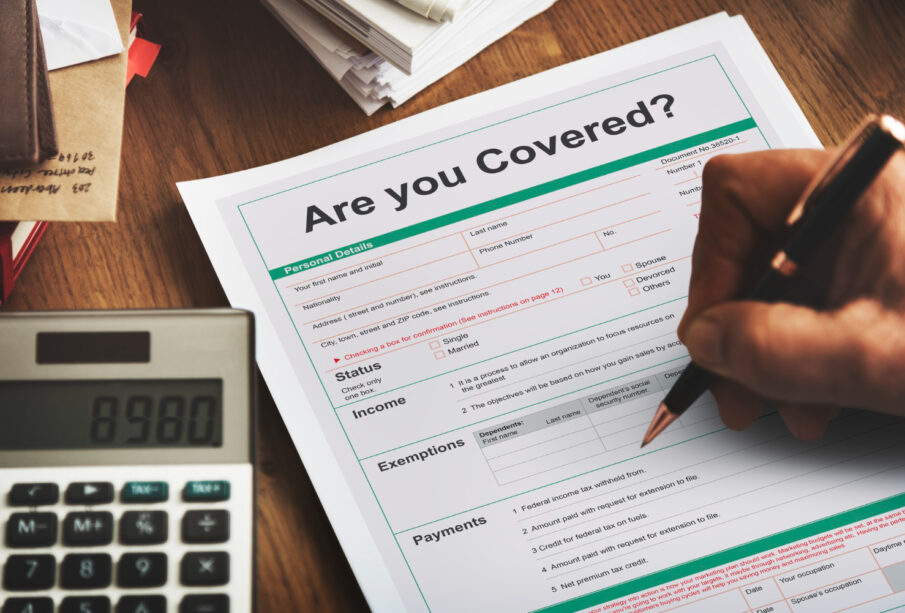
Why Insurance Matters in Africa: A Simple Guide for Everyday Life
For many people across Africa, insurance still feels confusing, expensive, or unnecessary. Some see it as something only rich people or big companies use. Others rely entirely on family, friends, or community support when problems arise.
But life is unpredictable. Illness, accidents, fire, theft, or loss of income can happen to anyone. When they do, the financial impact can be overwhelming. Insurance exists to protect people from these sudden shocks. It does not stop bad things from happening, but it helps prevent one problem from turning into a long-term financial crisis.
This guide explains why insurance matters in Africa, in simple terms, with real-life examples.
What Is Insurance? (In Simple Terms)
Insurance is a way of sharing risk. You pay a small amount regularly (called a premium). If something bad happens, like illness, an accident, or damage, the insurance company helps pay the cost. Instead of one person suffering a big loss alone, many people contribute small amounts so help is available when needed.
Think of insurance as a financial safety net.
Why Insurance Is Important in Africa
Across many African countries:
-
Healthcare is often paid out of pocket
-
Many people depend on daily income
-
Small businesses operate with little savings
-
Family support systems are already stretched
When emergencies happen, people may be forced to:
-
Borrow money at high interest
-
Sell land or property
-
Withdraw children from school
-
Depend on public fundraising
Insurance helps reduce these risks.
How Insurance Protects Families
Health Insurance: Avoiding Medical Debt
Medical emergencies are one of the biggest causes of financial hardship.
Country Example
-
In Nigeria, a hospital visit without health insurance can cost more than a family’s monthly income.
-
In Kenya, NHIF helps cover hospital bills that would otherwise drain savings.
-
In Ghana, the National Health Insurance Scheme (NHIS) allows families to access healthcare at lower cost.
Health insurance allows families to focus on healing, not fundraising.
Life Insurance: Protecting Loved Ones
Life insurance supports a family if the main income earner dies.
Country Example
In South Africa, many families use life insurance to pay school fees, rent, or loans after the loss of a breadwinner. Without it, families may struggle immediately.
Life insurance is not about death, it is about protecting those left behind.
Why Insurance Matters for Small Businesses
Small businesses are the backbone of African economies. Yet many operate without protection.
Fire, theft, flooding, or accidents can shut down a business overnight.
Country Example
-
A shop owner in Ghana loses goods to fire. Without insurance, restarting is nearly impossible.
-
A transport operator in Nigeria faces an accident. Motor insurance prevents total financial loss.
-
A farmer in Kenya uses agricultural insurance to recover from drought losses.
Insurance gives business owners confidence to grow and invest.
Reducing Dependence on Emergency Fundraising
In many African communities, emergencies often lead to public appeals for help. While community support is important, constant fundraising creates pressure and fatigue. Insurance helps reduce how often families and communities must step in during crises.
It supports dignity and independence.
Common Types of Insurance First-Time Users Should Know
You do not need every type of insurance. Start with what matters most.
1. Health Insurance
Covers hospital visits, treatment, and sometimes medication.
2. Life Insurance
Supports dependents if you die.
3. Motor Insurance
Required in many countries; covers accidents and damage.
4. Property Insurance
Protects homes, shops, and belongings.
5. Micro-Insurance
Low-cost insurance designed for low-income earners and informal workers.
“Insurance Is Too Expensive” Is It Really?
Many people avoid insurance because they think it costs too much.
However:
-
Mobile-based insurance allows small, flexible payments
-
Some plans cost less than daily transport or data expenses
-
Micro-insurance is designed to be affordable
Country Example
In Nigeria and Kenya, some insurance plans allow payments through mobile money in small amounts, making coverage accessible to more people.
Technology Is Making Insurance Easier
Mobile phones are changing how Africans access insurance.
People can now:
-
Register through mobile apps or USSD
-
Pay premiums using mobile money
-
Submit claims digitally
This reduces paperwork, travel, and confusion, especially for first-time users.
Insurance Is About Preparation, Not Fear
Buying insurance does not mean you expect bad things to happen. Just like locking your door does not mean you expect theft, insurance is about being prepared. It gives peace of mind and financial stability.
Final Thoughts
Insurance matters because it protects progress. For African families and businesses working hard to build better lives, insurance reduces vulnerability and helps people recover faster when life takes an unexpected turn.
It does not replace family or community support, it strengthens it. Understanding insurance is the first step toward using it wisely.




Leave a reply





Africa’s Source for Breaking News | Entertainments | Health | Finance | Sports | Lifestyle and Business News.


