
Wildlife Conservation Explained Simply
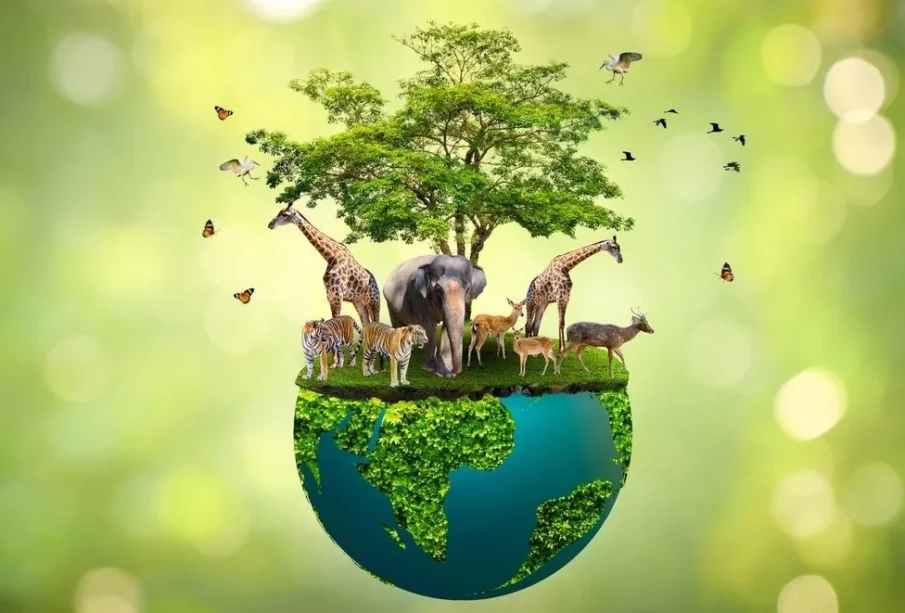
Wildlife conservation is the effort to protect animals, plants, and their natural habitats so they can continue to exist and thrive.
In simple terms, it means taking care of nature so that future generations can enjoy the same rich biodiversity we have today.
What Is Wildlife Conservation?
Wildlife conservation focuses on preserving species and ecosystems. This includes protecting endangered animals, restoring damaged environments, and reducing human activities that harm nature. It’s about maintaining balance, ensuring that no species disappears because of human actions.
Why Is Wildlife Conservation Important?
Wildlife plays a crucial role in maintaining healthy ecosystems. For example, bees pollinate crops, forests clean the air, and predators help control animal populations. When one species disappears, it can disrupt the entire ecosystem. In addition, humans depend on nature for food, medicine, and resources. Protecting wildlife means protecting our own survival.
Main Threats to Wildlife
Several factors put wildlife at risk:
-
Habitat Loss: Forests, wetlands, and grasslands are destroyed for farming, housing, and development.
-
Poaching and Illegal Hunting: Animals are killed for their skins, horns, or meat.
-
Climate Change: Rising temperatures and changing weather patterns affect habitats and food sources.
-
Pollution: Plastics, chemicals, and waste harm animals and ecosystems.
Simple Ways Wildlife Conservation Happens
Conservation doesn’t have to be complicated. Here are a few straightforward methods:
-
Protected Areas: National parks and reserves provide safe spaces for animals to live.
-
Laws and Regulations: Governments create rules to prevent hunting and environmental destruction.
-
Breeding Programs: Endangered animals are bred in safe environments to increase their population.
-
Education: Teaching people about conservation encourages better choices and awareness.
How You Can Help
Everyone can play a part in wildlife conservation:
-
Avoid products made from endangered animals
-
Reduce plastic use and recycle waste
-
Support conservation organizations
-
Respect wildlife and natural habitats
-
Plant trees or support reforestation efforts
Even small actions can make a big difference when many people work together.
Wildlife Conservation in Everyday Life
You don’t need to be a scientist to care about wildlife. Simple habits, like keeping your environment clean or conserving water, help protect ecosystems. Communities, especially in regions rich in biodiversity, can benefit from eco-tourism, which encourages protecting wildlife instead of exploiting it.
Conclusion
Wildlife conservation is about protecting the natural world so life on Earth can continue to flourish. By understanding its importance and taking simple actions, we can all contribute to preserving the beauty and balance of nature.



Leave a reply






Africa’s Source for Breaking News | Entertainments | Health | Finance | Sports | Lifestyle and Business News.


