


Avoidant, Anxious, Secure: Understanding Attachment Styles.
The Message That Was Never Sent
Ada stared at her phone for the third time that night.
Her partner hadn’t replied in hours. Nothing unusual, he was probably busy, yet her mind raced with questions: Did I say something wrong? Is he losing interest? Why does it suddenly feel like I’m being pushed away?
Across town, her partner saw her messages piling up and felt something entirely different; pressure. The more notifications appeared, the stronger the urge to withdraw. He cared about her deeply, but the emotional intensity felt overwhelming. He needed space to breathe.
Neither of them was wrong.
Neither of them intended to hurt the other.


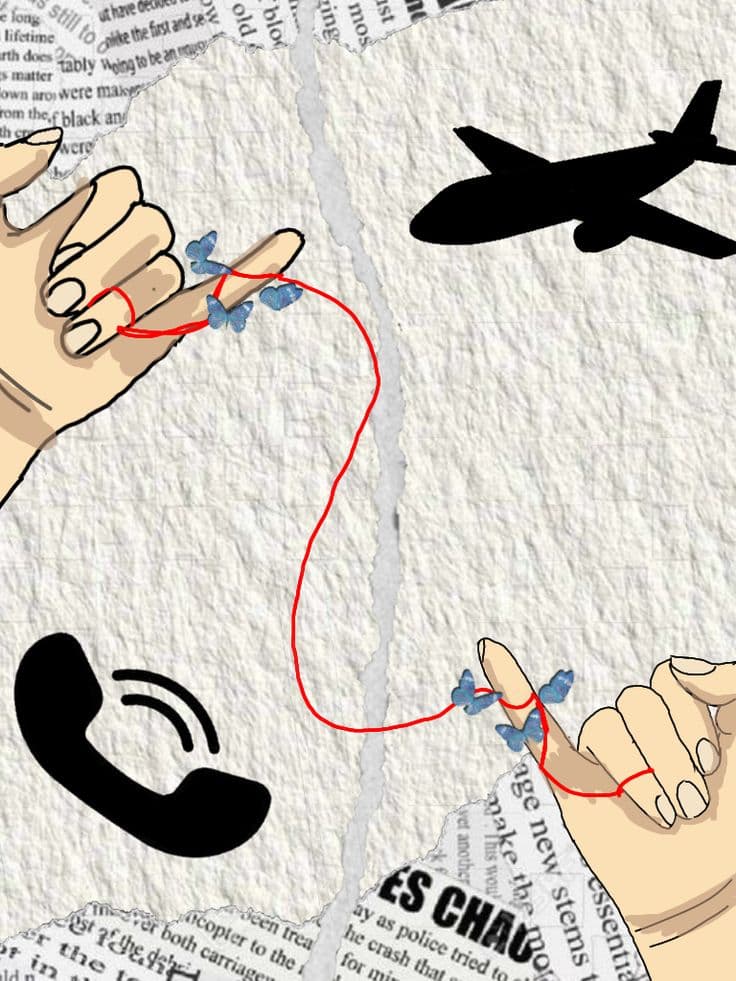
Yet both felt misunderstood.
What Ada and her partner were experiencing is one of the most common invisible forces in relationships: attachment styles, the emotional patterns that shape how we give and receive love.
When your relationship needs more than advice
Confidential, guided counseling sessions for couples and individuals.
Book a sessionWhat Are Attachment Styles?
Attachment styles explain how people emotionally connect, respond to intimacy, and handle closeness in relationships. The theory began with psychologist John Bowlby, who discovered that early childhood relationships influence how safe or unsafe love feels later in life.
As children, we unconsciously learn answers to powerful emotional questions:
-
Can I rely on people?
Will my needs be met?
Is closeness comforting or risky?
These early lessons become emotional blueprints that quietly guide our adult relationships, often without our awareness.
Most people primarily express one of three attachment styles: anxious, avoidant, or secure.
The Anxious Attachment Style: Loving with Fear of Losing
People with anxious attachment deeply value emotional closeness. They invest wholeheartedly and often care intensely about their relationships.
But beneath that love is a persistent fear of abandonment.
Common Signs:
-
Seeking reassurance frequently
Overanalyzing communication changes
Feeling uneasy when a partner becomes distant
Emotional highs and lows tied to relationship stability
For anxious individuals, silence can feel louder than words. A delayed response may trigger worry, not because they are overly dramatic, but because connection equals safety.
Their greatest desire is simple: reassurance that love is secure.
The Avoidant Attachment Style: Loving with Emotional Distance
Avoidant attachment looks different on the surface but is equally human.
People with avoidant tendencies value independence and emotional self-sufficiency. When relationships become highly emotional, they may instinctively step back.
Common Signs:
-
Discomfort with vulnerability
Need for space during conflict
Difficulty expressing deep emotions
Feeling overwhelmed by emotional demands
Avoidant individuals are often misunderstood as uncaring. In reality, many feel deeply, they simply learned early on that relying on others could lead to disappointment or loss of control.
Distance becomes protection, not rejection.
The Secure Attachment Style: Where Love Feels Safe
Secure attachment represents emotional balance.
Securely attached individuals feel comfortable with intimacy without losing their independence. They communicate openly, handle conflict constructively, and trust the stability of their relationships.
Common Signs:
-
Healthy communication
Comfort with emotional openness
Ability to resolve disagreements calmly
Consistent emotional presence
Secure attachment does not mean perfect relationships. It simply means love feels safe rather than threatening.
Why Anxious and Avoidant Partners Often Find Each Other
Many relationships unknowingly form a push-and-pull dynamic.
The anxious partner moves closer seeking reassurance.
The avoidant partner steps back seeking space.
The more one pursues, the more the other withdraws, creating a cycle where both partners feel emotionally exhausted. This dynamic is incredibly common and has been widely discussed in modern relationship psychology, including research popularized by psychiatrist Amir Levine. The issue is rarely lack of love. It is misaligned emotional needs operating on autopilot.
Can Attachment Styles Change?
Yes, and this is where hope begins. Attachment styles are learned patterns, not permanent identities. With awareness and intentional effort, people can move toward secure attachment.
Growth happens through:
-
Self-awareness
Emotionally safe relationships
Honest communication
Learning emotional regulation
Personal development or therapy
Over time, the brain learns new emotional experiences. Closeness stops feeling dangerous, and independence stops feeling like abandonment.
Moving Toward Secure Love
No matter your starting point, healthier connection is possible.
If You Lean Anxious:
-
Pause before seeking reassurance.
Develop emotional grounding outside the relationship.
Express needs clearly rather than urgently.
If You Lean Avoidant:
-
Practice sharing feelings gradually.
Stay present during difficult conversations.
Understand vulnerability strengthens connection.
For Everyone:
Choose partners who value emotional safety as much as attraction.
Love Makes More Sense When You Understand Yourself
Many people spend years blaming partners or questioning their worth, unaware that they are repeating emotional patterns learned long ago.
Understanding attachment styles changes that narrative.
Suddenly, you realize:
-
You were not “too much.”
You were not “emotionally unavailable.”
You were responding from learned emotional survival strategies.
And once awareness begins, something powerful happens.
You stop chasing chaos that feels familiar.
>You start recognizing calm that feels safe.
>You begin choosing connection instead of reacting from fear.
Because the goal of love is not emotional guessing games or constant anxiety. The goal is safety, the quiet confidence that you can be fully yourself and still be chosen. And when love finally feels safe, it stops feeling like a battle you must win… and starts feeling like a home you can rest in.






Comments (0)
No comments yet. Be the first to share your perspective!