


Healthy relationships, whether romantic, familial, or friendships, depend on a sense of emotional safety.
Emotional safety means feeling comfortable enough to express thoughts, feelings, and vulnerabilities without fear of judgment, rejection, or ridicule. When emotional safety exists, people feel respected, valued, and understood. Without it, communication becomes strained, trust weakens, and relationships may gradually deteriorate.
What Emotional Safety Means
Emotional safety is the feeling that one can be open and authentic in a relationship. It involves knowing that your partner, friend, or family member will listen with empathy rather than react with anger or criticism. In emotionally safe relationships, individuals are not afraid to admit mistakes, share concerns, or discuss difficult topics.
This sense of safety is built gradually through consistent behavior. When people repeatedly show kindness, patience, and reliability, trust naturally grows. Over time, both individuals become more comfortable expressing their true selves.
The Importance of Trust and Respect
Trust and respect form the foundation of emotional safety. Trust is developed when people keep promises, remain honest, and act consistently over time. Respect, on the other hand, involves valuing the other person’s feelings, opinions, and boundaries.
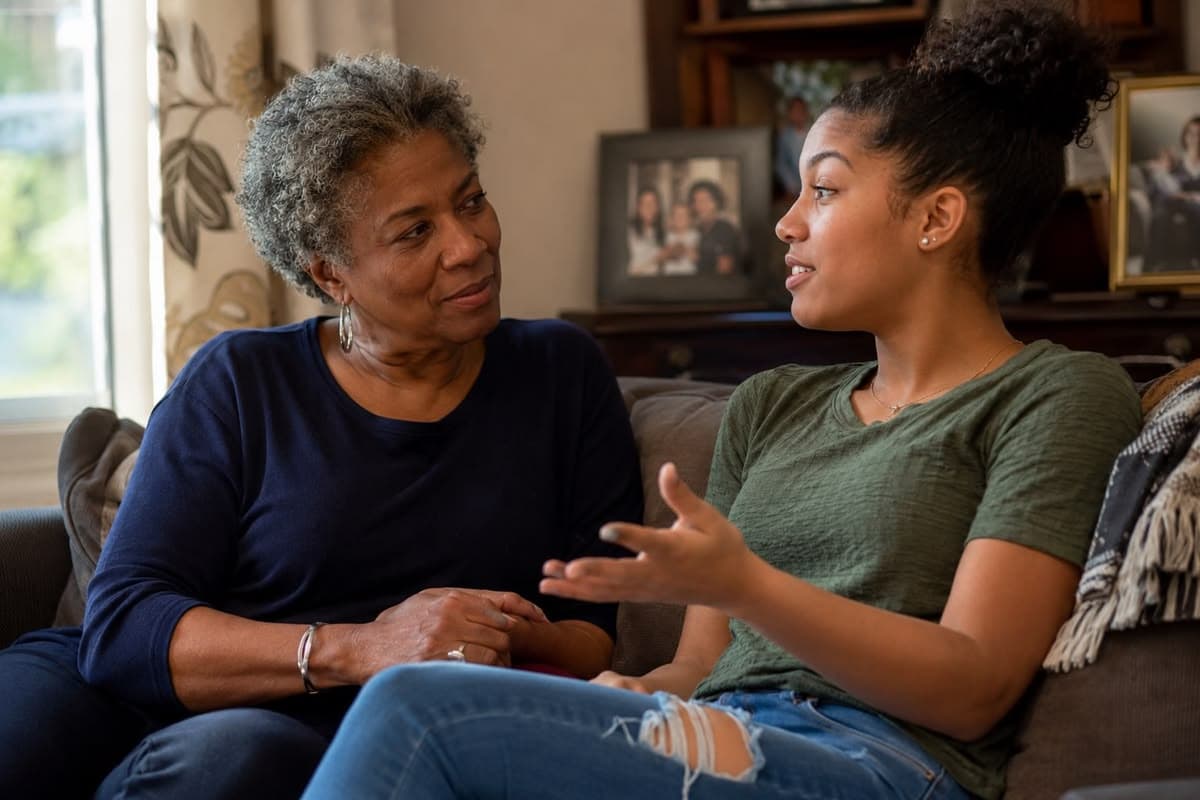


For example, when someone shares a personal struggle and the other person listens without dismissing their emotions, trust is strengthened. Conversely, mocking, ignoring, or minimizing someone’s feelings can damage the sense of safety in a relationship.
Open and Honest Communication
Clear communication plays a crucial role in building emotional safety. Partners should feel free to express their needs, expectations, and concerns without fear of negative reactions. When communication is open, misunderstandings are less likely to occur. Active listening is particularly important. This means paying attention, avoiding interruptions, and trying to understand the other person’s perspective. Instead of reacting defensively, emotionally safe conversations focus on empathy and understanding.


Additionally, using calm and respectful language can help maintain a positive environment during discussions, even when disagreements arise.
Handling Conflict in a Healthy Way
Conflict is a natural part of any relationship. However, the way conflicts are handled determines whether emotional safety is preserved or damaged. In emotionally safe relationships, disagreements are approached with the goal of solving problems rather than blaming or hurting one another. Constructive conflict resolution involves acknowledging each other’s feelings, staying calm, and working together to find solutions. Apologizing when necessary and taking responsibility for mistakes also helps rebuild trust after disagreements.
Over time, couples or friends who handle conflict respectfully often develop stronger bonds.
Consistency and Reliability
Emotional safety grows when people behave consistently. When someone’s actions match their words, others learn that they can rely on them. Being dependable, such as showing up when promised, keeping confidences, and offering support during difficult times, reinforces the feeling that the relationship is secure.
On the other hand, unpredictable or dismissive behavior can cause individuals to become guarded and hesitant to share their true feelings.
Supporting Emotional Growth
Emotionally safe relationships encourage personal growth. When people feel supported rather than judged, they are more willing to work on their weaknesses and pursue their goals. Encouragement, patience, and positive reinforcement help individuals feel confident and valued.
For example, celebrating achievements, offering reassurance during challenging moments, and expressing appreciation can strengthen emotional bonds between partners or friends.
Conclusion
Building emotional safety in relationships requires patience, empathy, and consistent effort. Through trust, respect, open communication, and healthy conflict resolution, individuals can create environments where both people feel comfortable being authentic. Ultimately, emotionally safe relationships foster deeper connections, stronger trust, and long-lasting bonds that enrich people’s lives.






Comments (0)
No comments yet. Be the first to share your perspective!