


Bulk food buying is an increasingly popular strategy for people who want to save money, reduce waste, and ensure a steady supply of essential foods at home.
While the idea might seem overwhelming at first, beginners can quickly learn how to shop in bulk effectively with a little planning and smart decision-making. Understanding what to buy, how to store it, and how to avoid waste can turn bulk buying into a powerful household habit.
What Is Bulk Food Buying?
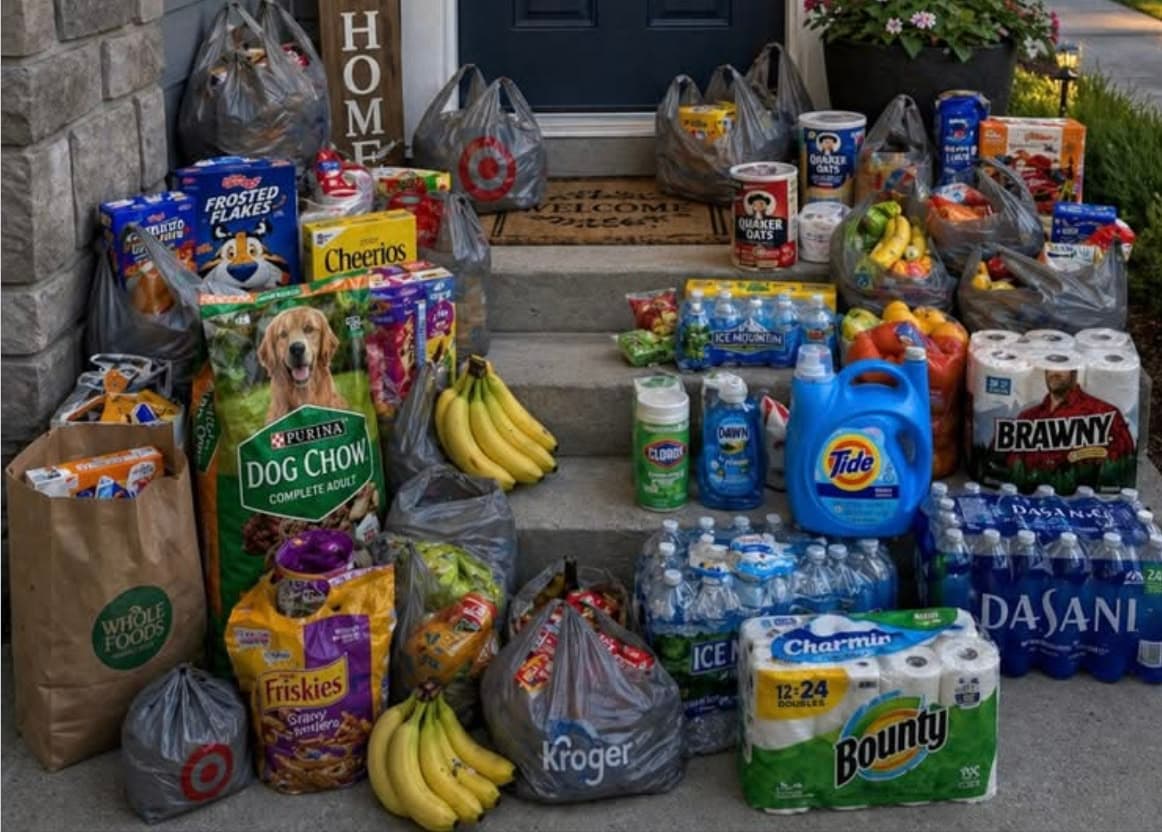
Bulk food buying simply means purchasing larger quantities of food items at once instead of buying small portions frequently. These foods are often sold in large packages or by weight, allowing consumers to purchase exactly the amount they need.
Common bulk items include grains, beans, pasta, flour, sugar, nuts, and dried fruits. Many people also buy frozen foods, canned goods, and cooking oils in bulk because they have longer shelf lives.
Benefits of Buying Food in Bulk
One of the main advantages of bulk buying is cost savings. Larger quantities usually come with lower prices per unit, helping households stretch their food budgets further. This can be especially useful for families or individuals who cook frequently.

Bulk buying also reduces the number of shopping trips. With essential foods already stocked at home, you can save time and transportation costs. Additionally, buying in bulk often reduces packaging waste, making it a more environmentally friendly choice.
Another benefit is food security. Having a well-stocked pantry ensures that you always have ingredients available for cooking, even during emergencies or busy periods.
Understand your relationship. Fix what matters.
Practical, structured relationship courses built for lasting clarity.
Start learningBest Foods for Beginners to Buy in Bulk
If you are new to bulk buying, start with foods that have a long shelf life and are commonly used in everyday cooking. Some beginner-friendly bulk foods include:
-
Rice and grains such as oats or barley
Dried beans and lentils
Pasta and noodles
Flour and baking ingredients
Cooking oil
Sugar and salt
Canned vegetables or tomatoes
These foods last longer and are versatile enough to be used in many recipes.
Smart Storage Is Essential
Proper storage is the key to successful bulk buying. Without the right storage methods, food can spoil, attract pests, or lose quality.
Use airtight containers for grains and dry goods. Glass jars, plastic containers, or food-grade buckets can help keep moisture and insects out. Store food in cool, dry places such as pantry shelves or cupboards.
Labeling containers with the purchase date is also helpful. This allows you to track freshness and use older items first.
Avoiding Common Bulk Buying Mistakes
One of the biggest mistakes beginners make is buying too much food at once. If the food expires before you can use it, the savings disappear. Start small and gradually increase quantities as you understand your household’s consumption habits.
Another mistake is buying unfamiliar foods in large quantities. It is better to test a product in a smaller size before committing to a bulk purchase.
Impulse buying can also defeat the purpose of bulk shopping. Stick to a shopping list and focus on items you regularly use.
Planning Meals Around Bulk Foods
Meal planning makes bulk buying far more effective. When you know what meals you will cook during the week or month, it becomes easier to choose the right ingredients to buy in larger quantities.
For example, bulk rice can be used for stir-fries, rice bowls, or side dishes, while dried beans can become soups, stews, or salads. Planning meals ensures that bulk ingredients are used efficiently rather than sitting unused in storage.
Final Thoughts
Bulk food buying is a practical habit that can save money, reduce waste, and make meal preparation easier. Beginners should start with long-lasting staple foods, invest in good storage containers, and plan meals carefully to avoid waste.
Over time, bulk buying becomes a simple and rewarding way to manage your household food supply more efficiently. With thoughtful planning and mindful purchasing, even beginners can take full advantage of the benefits that bulk food buying offers.
Comments (0)
No comments yet. Be the first to share your perspective!