


In a world where the cost of living continues to rise and food insecurity remains a challenge for many, bulk food sharing has emerged as a practical and compassionate solution.
By pooling resources, communities can reduce waste, save money, and ensure that more people have access to nutritious meals. This approach is not just about food, it’s about building stronger, more connected neighborhoods.
What Is Bulk Food Sharing?
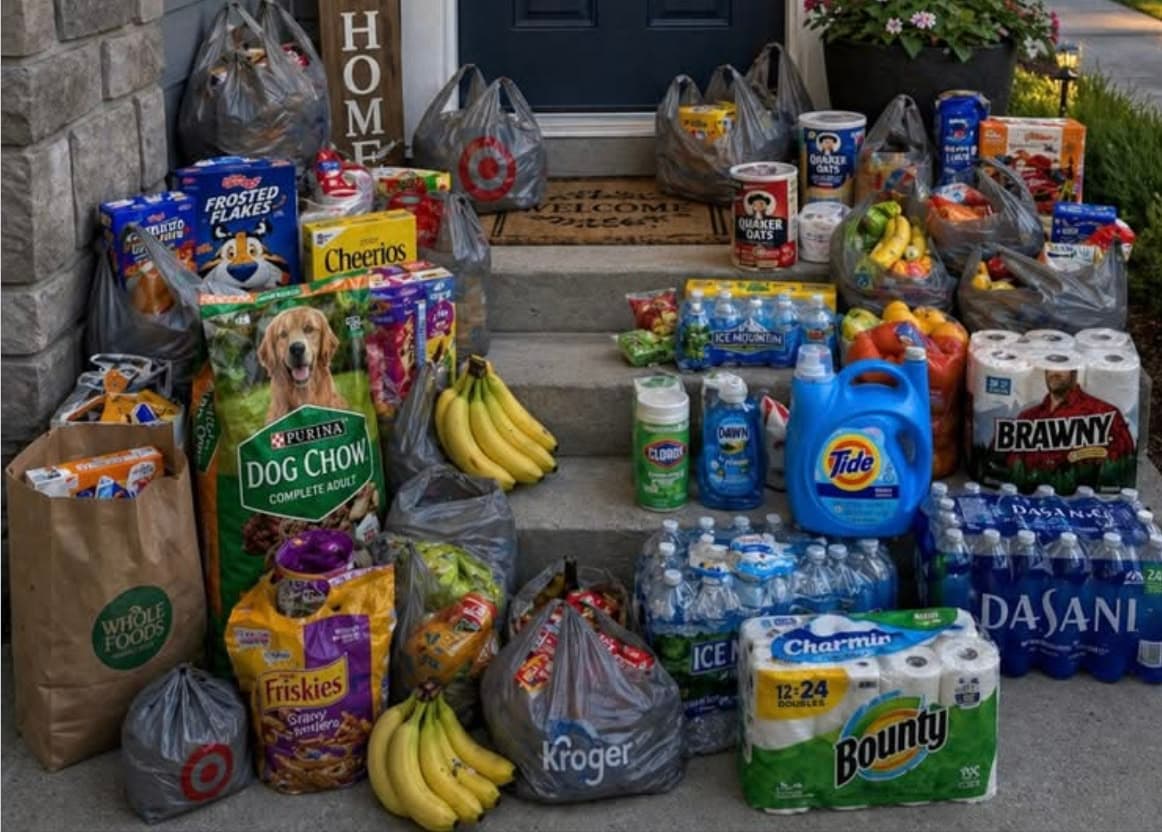
Bulk food sharing involves purchasing or collecting food in large quantities and distributing it among a group of people. This can happen informally among neighbors or through organized systems such as community groups, cooperatives, or local initiatives. The idea is simple: buy more together, pay less individually, and share the benefits.
Why It Matters
1. Reduces Food Costs
Buying in bulk often comes with significant discounts. When communities share these purchases, individuals can access staples like rice, beans, grains, and cooking oil at lower prices. This is especially helpful for low-income households trying to stretch their budgets.
2. Minimizes Food Waste
Food waste is a global issue, but bulk sharing helps tackle it at the local level. Instead of letting excess food spoil, communities can redistribute surplus items to those who need them most.

3. Strengthens Community Bonds
Sharing food naturally fosters connection. It encourages communication, trust, and cooperation among community members. Over time, these interactions can lead to stronger social ties and mutual support networks.
4. Improves Food Access
In areas where access to fresh or affordable food is limited, bulk sharing can fill the gap. Communities can organize regular distributions, ensuring that everyone has access to essential food items.
When your relationship needs more than advice
Confidential, guided counseling sessions for couples and individuals.
Book a sessionHow Communities Can Get Started
Organize a Group
Start by bringing together interested individuals, neighbors, friends, or members of a local association. A small, committed group is enough to begin.
Identify Needs and Preferences
Understand what foods are most needed. Staples like grains, legumes, and cooking essentials are usually a good starting point.
Source Food in Bulk
Purchase directly from wholesalers, farmers, or markets. Some communities also partner with local vendors willing to offer discounts for large purchases.
Create a Distribution Plan
Decide how food will be shared. This could be through equal portions, need-based distribution, or scheduled pick-ups.
Maintain Transparency
Keep records of contributions and distributions to ensure fairness and build trust among members.
Innovative Models of Bulk Food Sharing
- Food Cooperatives: Member-owned organizations where individuals contribute funds and share food resources.
- Community Pantries: Open-access spaces where people can take what they need and contribute what they can.
- Food Rescue Programs: Initiatives that collect surplus food from markets or events and redistribute it.
Challenges and Solutions
While bulk food sharing is beneficial, it comes with challenges such as storage, coordination, and fairness. These can be addressed by:
- Using shared storage spaces or rotating storage responsibilities
- Assigning roles within the group for organization and communication
- Establishing clear guidelines for distribution
The Bigger Picture
Bulk food sharing goes beyond meeting immediate needs. It promotes sustainability, reduces environmental impact, and encourages a culture of sharing and responsibility. In times of economic uncertainty, such community-driven solutions can make a significant difference.
Conclusion
Bulk food sharing is a powerful example of how collective action can address everyday challenges. By working together, communities can not only reduce costs and waste but also create a sense of belonging and resilience. In the end, sharing food becomes more than a practical solution—it becomes a symbol of unity and care.



Comments (0)
No comments yet. Be the first to share your perspective!