

In many parts of the world, rising food prices, economic uncertainty, and growing environmental concerns have pushed communities to look inward for solutions.
One of the most practical and impactful responses has been community-based food sharing, a system where individuals and households come together to share food resources for mutual benefit. Community-based food sharing is not a new concept. It is deeply rooted in cultural traditions across Africa, Asia, Europe, and the Americas. However, in modern cities and rural communities alike, it is re-emerging as a powerful strategy for reducing waste, fighting hunger, and strengthening social bonds.
What Is Community-Based Food Sharing?
Community-based food sharing is a structured or informal system where members of a neighborhood, group, or cooperative exchange, donate, or redistribute food among themselves. This may include:
-
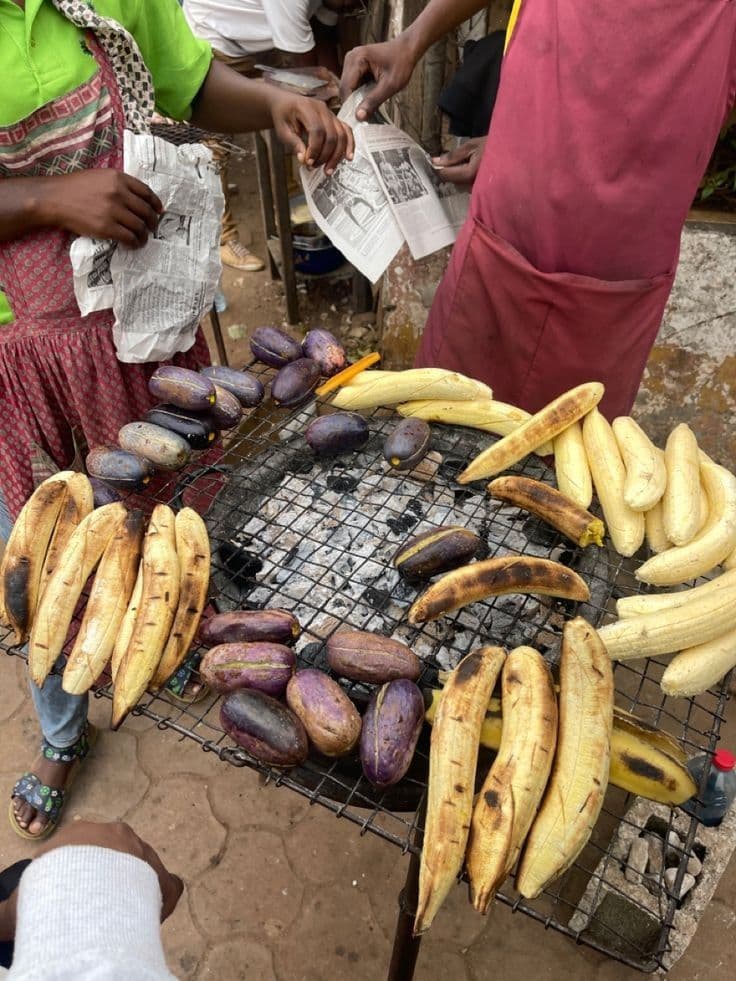
Sharing surplus harvest from home gardens
Bulk buying food together and dividing the cost

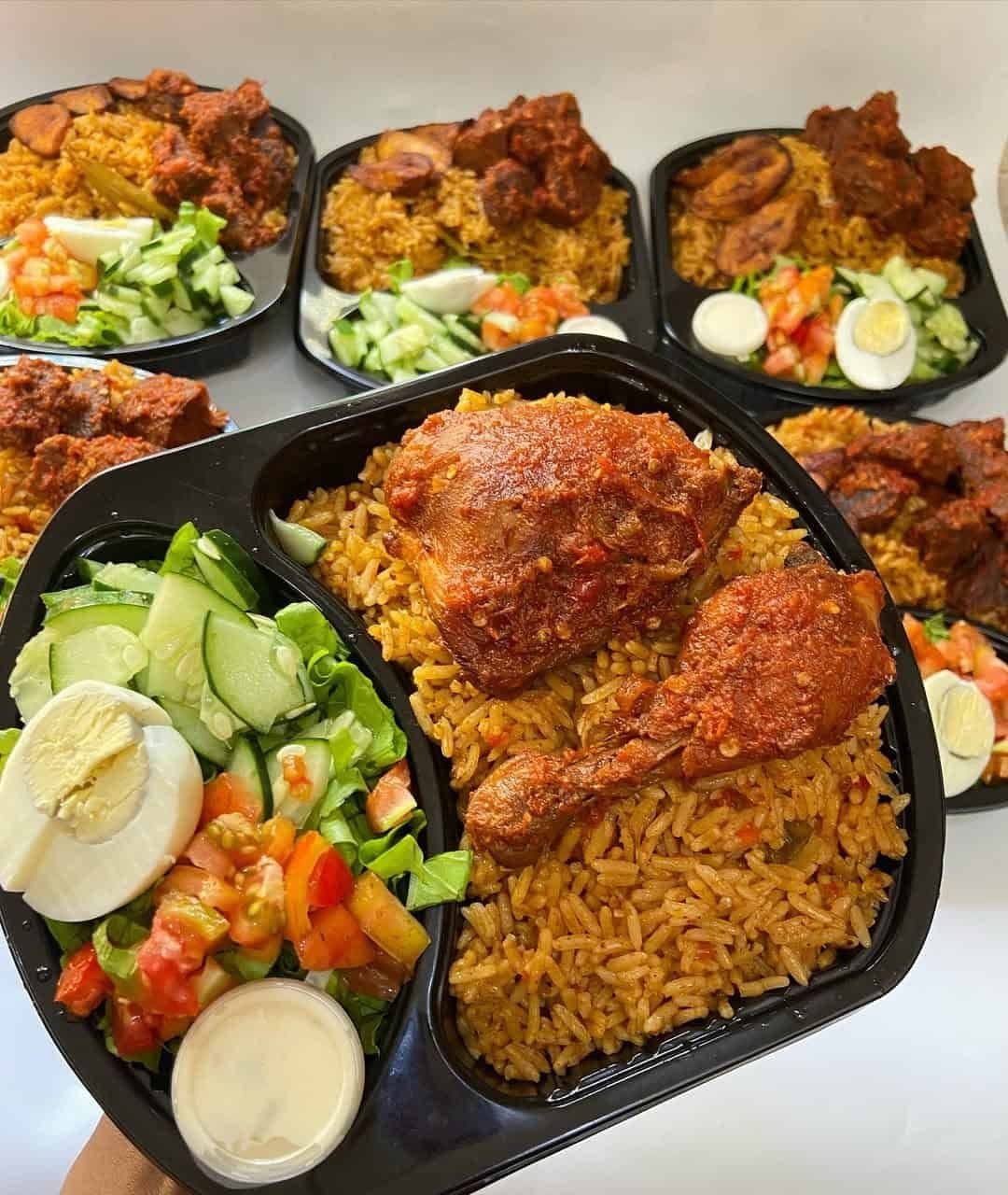
Organizing community kitchens
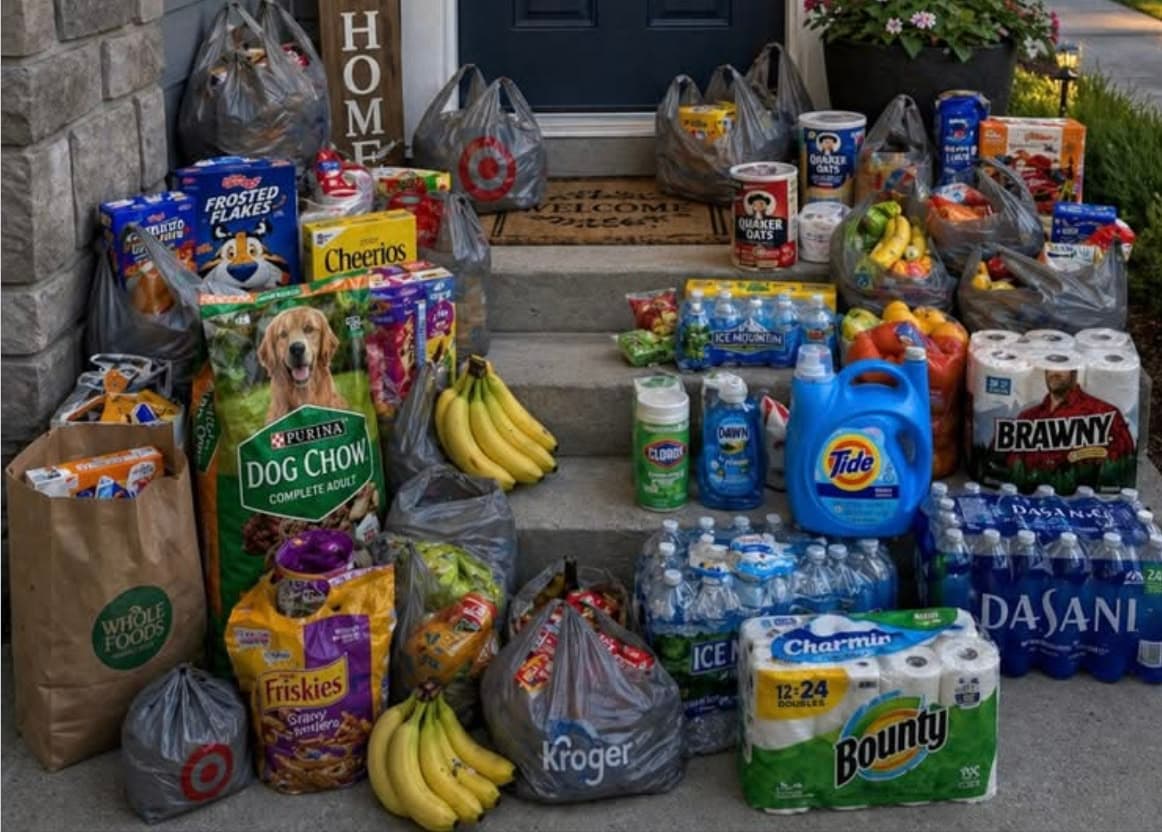
Donating excess food to neighbors in need


Using digital platforms to redistribute leftover meals
The idea is simple: instead of letting food go to waste or struggling alone, people collaborate.
How It Works
Community-based food sharing can take many forms:
1. Neighborhood Food Groups
Residents form small groups where members contribute food items weekly or monthly. Contributions may be rotated so that one household benefits each cycle.
2. Cooperative Bulk Buying
Communities pool money to buy staples like rice, beans, garri, flour, or cooking oil in large quantities at wholesale prices. The food is then shared among members based on contribution.
3. Food Rescue Programs
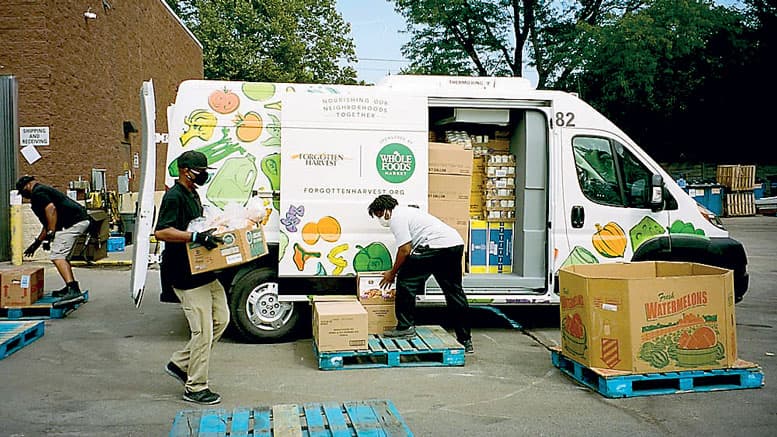
Organizations such as Feeding America work to collect surplus food from supermarkets and restaurants and redistribute it to those in need. Similar models exist globally, reducing waste while feeding vulnerable populations.
4. Community Fridges
In some cities, open-access refrigerators are placed in public spaces where people can leave or take food freely. Initiatives like The Friendly Fridge Network in the United States encourage neighbors to share food without stigma or barriers.
5. Faith-Based or Cultural Sharing Systems
Many religious and cultural traditions encourage communal feeding and food sharing during festivals, fasting periods, or harvest seasons.
Benefits of Community-Based Food Sharing
1. Reduces Food Waste
Globally, tons of food are discarded daily. Community sharing ensures surplus food reaches someone who can use it instead of ending up in landfills.
2. Strengthens Social Bonds
Sharing food builds trust and cooperation. Neighbors who share meals or resources are more likely to support one another in times of crisis.
3. Improves Food Security
For low-income households, shared food systems provide a safety net. Families can access staples even when personal finances are strained.
4. Saves Money
Bulk purchasing and shared cooking reduce overall household expenses. Buying in larger quantities lowers per-unit costs.
5. Encourages Sustainable Living
When communities collaborate, they often become more mindful of consumption, storage, and waste management.
The Role of Technology
Technology has made food sharing easier than ever. Apps and online platforms connect people with surplus food to those who need it. For example, OLIO allows neighbors to share excess food locally instead of throwing it away.
Digital communication tools such as WhatsApp groups and social media communities also help coordinate bulk buying and meal distribution.
Challenges to Consider
While community-based food sharing has many benefits, it also requires:
-
Trust among members
Clear guidelines on contributions and distribution
Safe food handling practices
Transparency in financial contributions
Without structure, misunderstandings can arise. Successful initiatives often appoint coordinators or create simple rules to ensure fairness.
How to Start in Your Community
If you’re interested in launching a food-sharing system:
-
Start small; gather 5–10 trusted neighbors.
Identify common needs (e.g., bulk rice purchases, shared cooking days).
Create simple contribution rules.
Use a shared communication platform.
Track contributions transparently.
Prioritize food safety and hygiene.
Even informal sharing, like rotating meal preparation among families, can make a meaningful difference.
Why It Matters Now More Than Ever
With rising living costs and increasing food insecurity, community-based food sharing offers a practical, grassroots solution. It shifts the focus from individual survival to collective resilience. Beyond the economic benefits, food sharing restores something deeply human, the understanding that survival and prosperity are stronger when shared.
In a world that often feels fragmented, something as simple as sharing a bag of rice, a bowl of soup, or a basket of vegetables can rebuild connection, dignity, and hope.





Comments (0)
No comments yet. Be the first to share your perspective!