

Throughout history, certain individuals have shaped the direction of humanity through courage, vision, and decisive leadership.
These leaders did more than govern nations, they challenged injustice, transformed social systems, and inspired generations to rethink what was possible. Their influence continues to shape modern politics, civil rights, economics, and social values today.
Below are some of the most influential historical leaders whose actions permanently changed society.
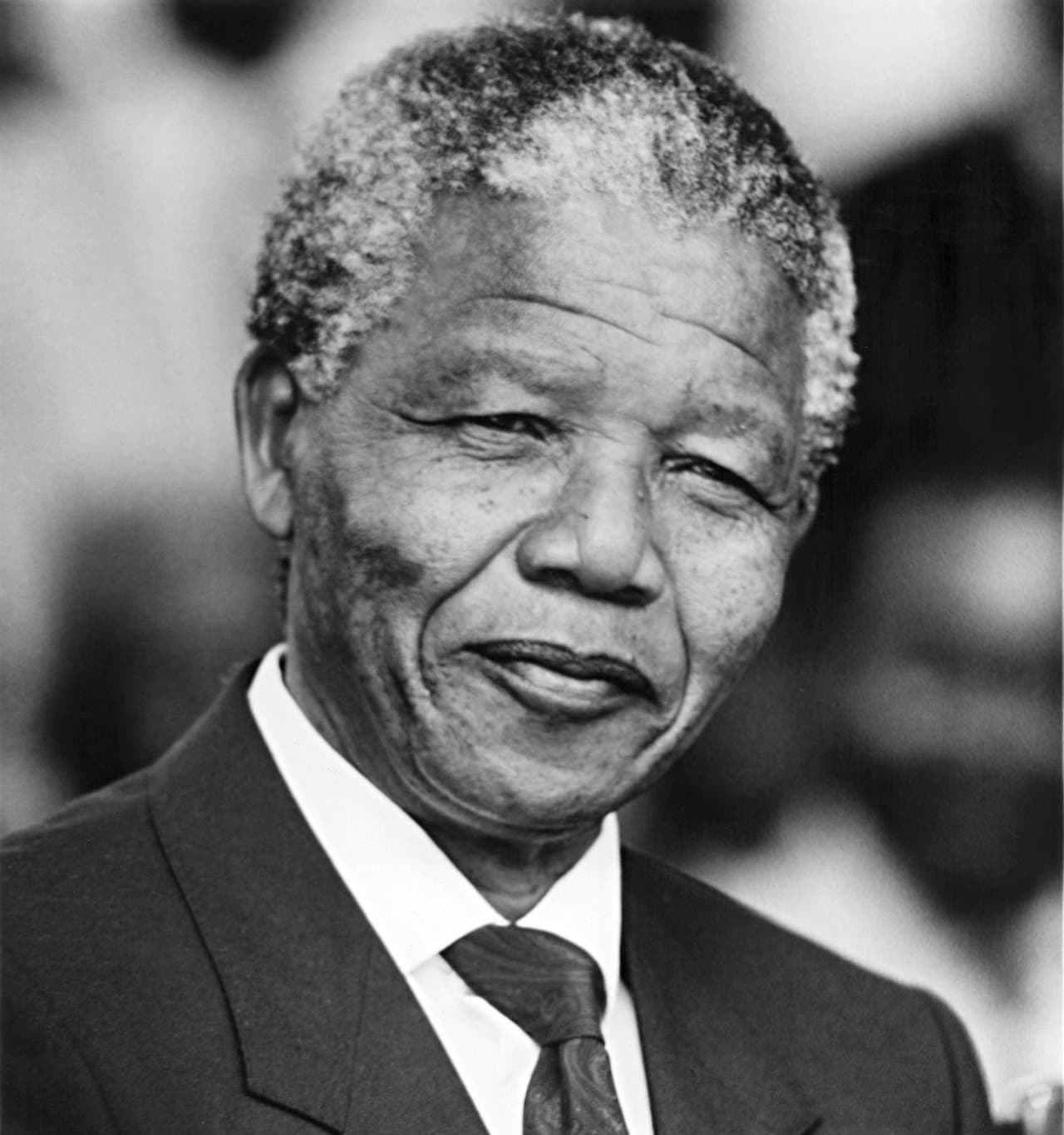
Nelson Mandela; The Symbol of Reconciliation
Few leaders embody resilience like Nelson Mandela. After spending 27 years in prison for opposing apartheid in South Africa, Mandela emerged not with revenge, but with a message of unity and forgiveness.
As South Africa’s first Black president, he helped dismantle institutionalized racial segregation and guided the country toward democracy. Instead of encouraging division, he promoted reconciliation between racial groups, preventing what many feared could become a civil war.
Lasting impact:
-
Ended apartheid governance
When your relationship needs more than advice
Confidential, guided counseling sessions for couples and individuals.
Book a sessionPromoted peaceful political transition
Became a global symbol of justice and forgiveness
Mahatma Gandhi; The Power of Nonviolent Resistance
Mahatma Gandhi transformed political protest by proving that peaceful resistance could defeat powerful empires. Leading India’s independence movement against British colonial rule, Gandhi relied on civil disobedience, boycotts, and mass peaceful protests rather than armed conflict.
His philosophy of nonviolence influenced movements across the world and demonstrated that moral authority can be stronger than military force.
Lasting impact:
-
Inspired global civil rights movements
Popularized nonviolent protest strategies
Helped India achieve independence in 1947
Martin Luther King Jr.; Advancing Civil Rights Through Moral Leadership
In the United States, Martin Luther King Jr. became the face of the Civil Rights Movement during the 1950s and 1960s. Through powerful speeches and peaceful demonstrations, he challenged racial segregation and discrimination.
His leadership helped bring about landmark legislation that expanded voting rights and ended legalized segregation.
Lasting impact:
-
Advanced racial equality through peaceful activism
Influenced global human rights advocacy
Demonstrated the power of collective social action
Abraham Lincoln; Preserving Unity and Ending Slavery
During one of America’s most divided periods, Abraham Lincoln led the nation through the Civil War while confronting the moral crisis of slavery. His Emancipation Proclamation marked a turning point in abolishing slavery in the United States.
Lincoln’s leadership reshaped the country’s identity and expanded the meaning of freedom and citizenship.
Lasting impact:
-
Helped abolish slavery
Preserved national unity during crisis
Redefined democratic ideals
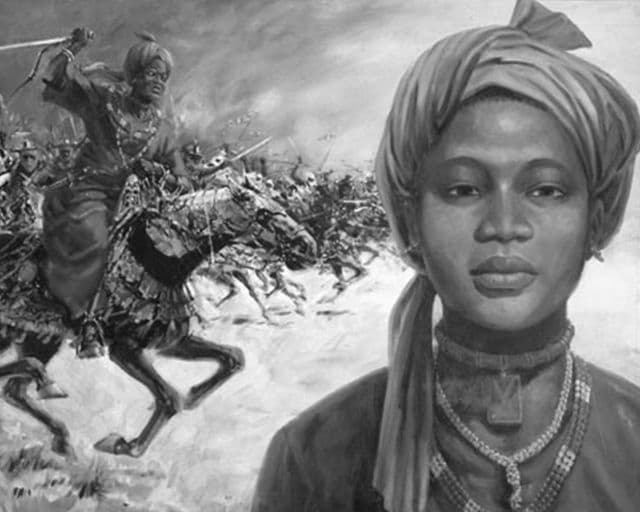
Queen Nzinga; Resistance Against Colonial Expansion
Queen Nzinga of Ndongo and Matamba (in present-day Angola) stands as one of Africa’s most strategic and determined leaders. She resisted Portuguese colonial expansion in the 17th century through diplomacy, military strategy, and alliances. Her leadership challenged European domination and demonstrated the strength of African political organization long before modern independence movements.
Lasting impact:
-
Defended African sovereignty
Became a symbol of resistance and female leadership
Influenced later anti-colonial struggles
Mansa Musa; Transforming West Africa’s Global Influence
Mansa Musa, ruler of the Mali Empire in the 14th century, changed global perceptions of Africa through wealth, education, and trade expansion. His famous pilgrimage to Mecca showcased the economic strength of West Africa and connected the region to international commerce and scholarship.
He invested heavily in education, architecture, and Islamic learning centers, turning cities like Timbuktu into global intellectual hubs.
Lasting impact:
-
Expanded trans-Saharan trade networks
Promoted education and scholarship
Elevated Africa’s global economic reputation
Wangari Maathai; Environmental Leadership and Social Change
Wangari Maathai, a Kenyan environmentalist and Nobel Peace Prize winner, linked environmental conservation with human rights and democracy. Through the Green Belt Movement, she mobilized rural women to plant millions of trees, fighting deforestation while improving livelihoods.
Her work showed that environmental protection could also empower communities socially and economically.
Lasting impact:
-
Advanced environmental activism in Africa
Connected sustainability with social justice
Inspired grassroots community leadership worldwide
Why Historical Leaders Matter Today
These leaders came from different continents, cultures, and time periods, yet they shared key qualities:
-
Vision: They imagined societies better than the ones they inherited.
Courage: They challenged powerful systems despite personal risk.
Influence: Their ideas outlived their lifetimes.
Modern leaders, entrepreneurs, activists, and everyday citizens continue to draw lessons from their examples. Their stories remind us that societal change often begins with individuals willing to question the status quo.
Final Thoughts
History is shaped not only by events but by people bold enough to guide those events toward progress. Whether through peaceful protest, political reform, resistance, or innovation, these historical leaders changed how societies think about justice, equality, and human potential.
Their legacy teaches an enduring lesson: meaningful change is possible when leadership is driven by purpose rather than power.



Comments (0)
No comments yet. Be the first to share your perspective!