

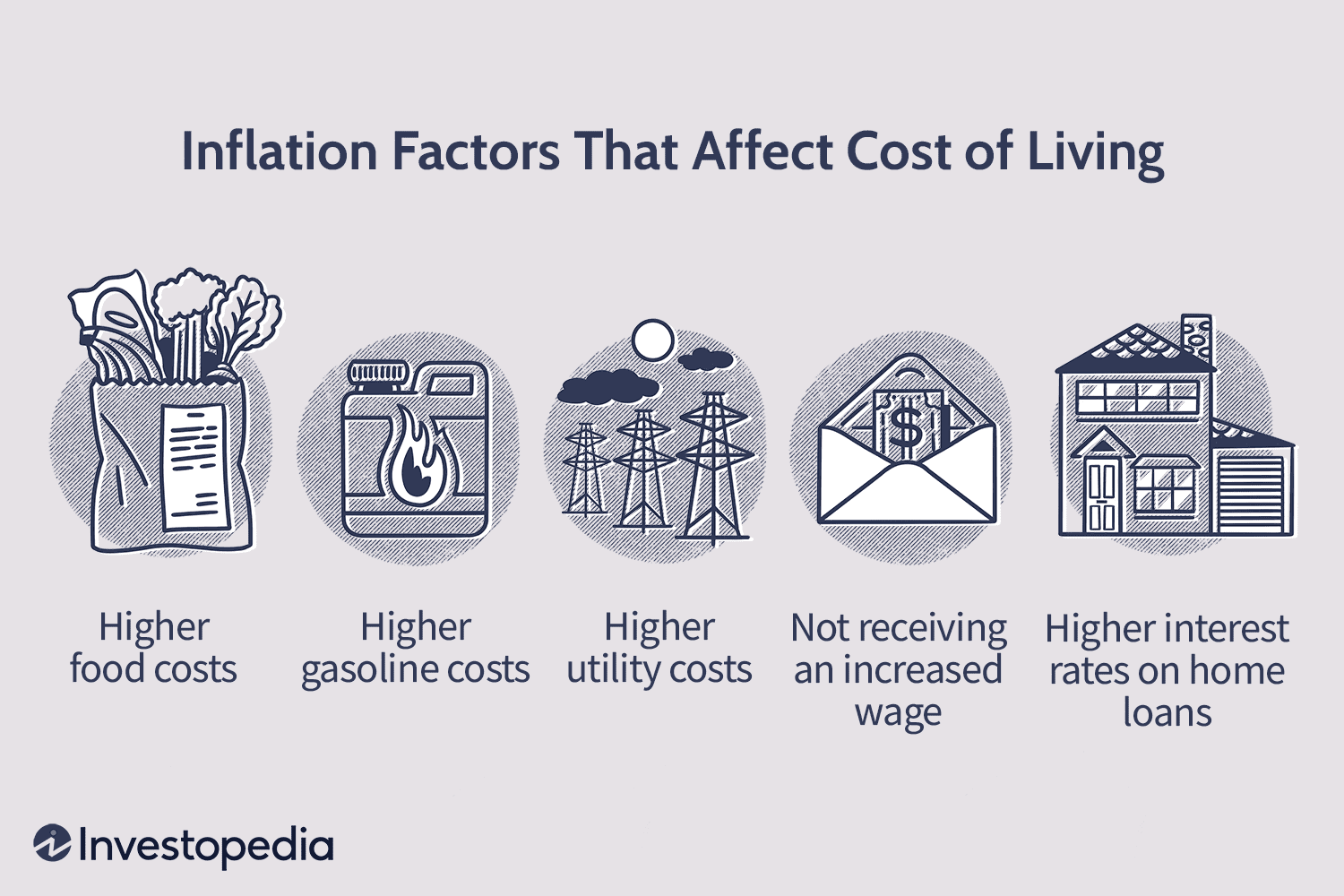
Economic policies shape the financial reality of individuals and households more than most people realize.
From the price of food at the market to the cost of housing and transportation, government decisions play a powerful role in determining how far your money can go. Understanding how these policies work can help individuals make better financial decisions and adapt to changing economic conditions.
What Are Economic Policies?
Economic policies are actions taken by governments and institutions like the Central Bank to influence a country’s economy. These policies generally fall into three main categories: fiscal policy, monetary policy, and regulatory policy. Each of these tools can directly or indirectly affect the cost of living.
1. Fiscal Policy and Everyday Expenses
Fiscal policy refers to government decisions on taxation and spending. When governments increase taxes, such as income tax or value-added tax (VAT), households often have less disposable income. This can make everyday goods and services feel more expensive.
On the other hand, increased government spending on infrastructure, healthcare, or subsidies can reduce living costs. For example, subsidies on fuel or food can make essential items more affordable. However, if government spending becomes excessive, it can lead to budget deficits and long-term inflation.


2. Monetary Policy and Inflation
Monetary policy is controlled by central banks and involves managing interest rates and money supply. When interest rates are low, borrowing becomes cheaper. This can encourage spending and investment, but it may also lead to higher inflation. Inflation, an increase in the general price level, is one of the most direct ways economic policy affects living costs. When inflation rises, the purchasing power of money falls, meaning people need more money to buy the same goods and services.
Conversely, higher interest rates can help control inflation but may increase the cost of loans, mortgages, and credit, putting pressure on households.
Understand your relationship. Fix what matters.
Practical, structured relationship courses built for lasting clarity.
Start learning3. Exchange Rates and Imported Goods
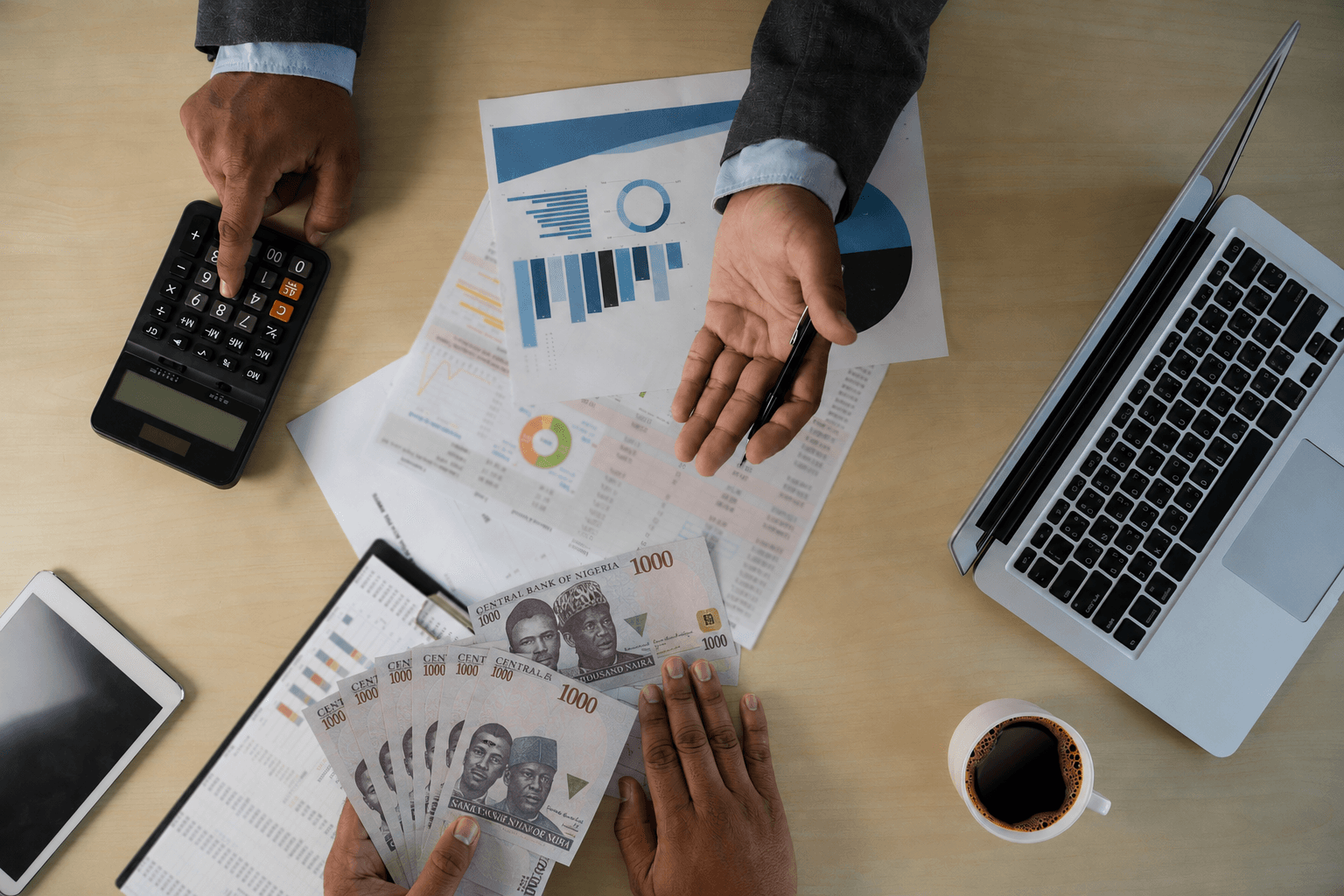
Economic policies also influence exchange rates, the value of a country’s currency compared to others. A weaker currency makes imports more expensive. In countries that rely heavily on imported goods, this can significantly raise living costs.
For example, higher import prices can affect food, fuel, electronics, and even raw materials used in local production, causing a ripple effect across the economy.
4. Regulation and Price Controls
Government regulations can either increase or decrease living costs. Policies such as rent control, minimum wage laws, and price caps aim to protect consumers. While these can make certain essentials more affordable, they may also reduce supply or discourage investment if not carefully implemented.
For instance, strict rent controls might make housing cheaper in the short term but could lead to fewer new housing developments over time.
5. Employment and Wage Policies
Economic policies that influence job creation and wages also play a key role. Policies that promote business growth can increase employment opportunities and income levels, helping people cope with rising costs.
However, if wages do not keep up with inflation, people effectively become poorer, even if they are earning more in nominal terms.
6. Global Influences and External Policies
In today’s interconnected world, domestic economic policies are often influenced by global institutions like the International Monetary Fund and the World Bank. Loans, trade agreements, and economic reforms recommended by these organizations can shape national policies, affecting everything from subsidies to taxation.
Conclusion
Economic policies are not just abstract government decisions, they have real, everyday consequences. Whether through taxes, interest rates, exchange rates, or regulations, these policies directly influence how much people pay for essentials and how comfortably they can live.
By understanding the connection between policy decisions and living costs, individuals can better navigate financial challenges, plan their budgets, and make informed economic choices in an ever-changing world.



Comments (0)
No comments yet. Be the first to share your perspective!