

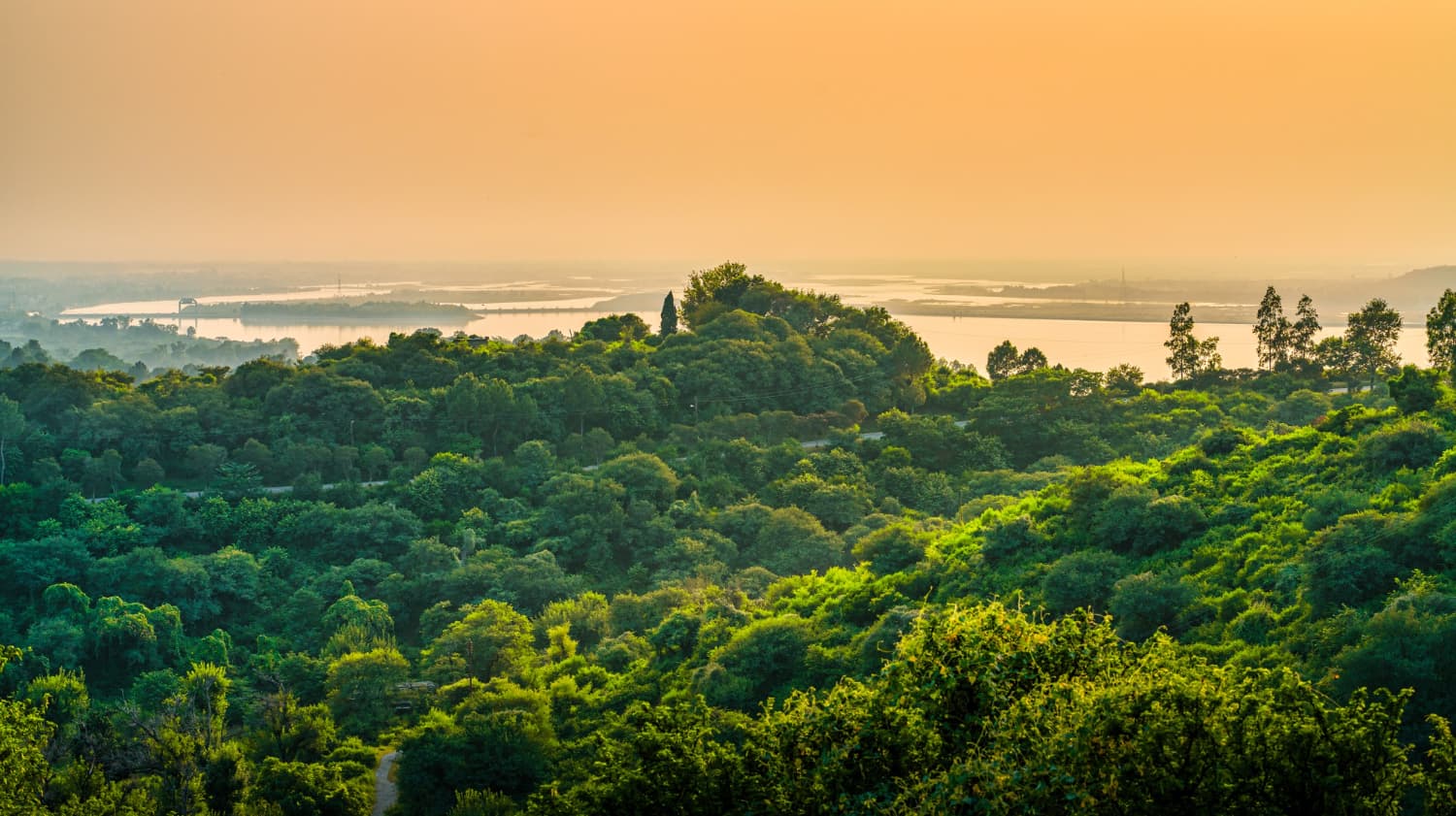
Forests often appear calm and unchanging, yet beneath the trees lies one of the most complex and dynamic systems on Earth.
A forest ecosystem is not random, it operates through interconnected relationships between plants, animals, microorganisms, soil, water, and climate. These interactions create a natural balance that allows forests to survive, adapt, and regenerate over time. Understanding how forest ecosystems stay balanced helps us appreciate why forests are essential not only for wildlife but also for human survival.
What Is a Forest Ecosystem?
A forest ecosystem is a community of living organisms interacting with their physical environment. It includes trees, shrubs, insects, birds, mammals, fungi, bacteria, soil nutrients, sunlight, and water cycles working together as a single system.
Unlike artificial environments, forests regulate themselves through natural processes. Every organism, from the tallest tree to microscopic fungi, performs a role that contributes to stability.
Biodiversity: The Foundation of Balance
One of the main reasons forests remain stable is biodiversity. A wide variety of species ensures that no single organism dominates the ecosystem.


Different species perform specialized roles:
-
Trees and plants produce oxygen and food through photosynthesis.


Herbivores control plant growth by feeding on vegetation.
Predators regulate herbivore populations.
Decomposers recycle nutrients back into the soil.
For example, if herbivore populations grow too large, predators naturally increase, preventing overgrazing. This biological regulation keeps resources from being exhausted.
The greater the biodiversity, the more resilient the forest becomes against disease, climate changes, and natural disturbances.
The Food Web: Nature’s Self-Regulating System
Forests operate through interconnected food webs rather than simple food chains. Energy flows through multiple pathways, ensuring stability even when one species declines.
A typical forest food web includes:
-
Producers – trees, grasses, and plants that capture sunlight.
Primary consumers – animals that eat plants.
Secondary consumers – predators that eat herbivores.
Decomposers – fungi and bacteria breaking down dead material.
Because species rely on multiple food sources, the ecosystem can adjust when environmental conditions change. This flexibility prevents sudden collapse.
Nutrient Cycling: Nothing Goes to Waste
In forests, waste does not exist. Fallen leaves, dead trees, and animal remains are broken down by fungi, insects, and microorganisms.
This decomposition process:
-
Releases nutrients back into the soil
Enriches plant growth
Maintains soil fertility
Supports new generations of vegetation
Forest floors act like natural recycling centers. Nutrients continuously circulate, allowing forests to sustain themselves for centuries without external fertilizers.
The Role of Trees in Climate Regulation
Trees are central to ecosystem balance because they influence temperature, rainfall, and air quality.
Through transpiration, trees release water vapor into the atmosphere, helping regulate humidity and local rainfall patterns. Forest canopies also:
-
Reduce soil erosion
Moderate temperature extremes
Store large amounts of carbon dioxide
Tropical forests, especially those in regions like the Congo Basin and the Amazon, play a critical role in stabilizing global climate systems.
Natural Disturbances That Maintain Balance
Interestingly, disturbances such as fires, storms, and floods can help forests remain healthy.
Natural fires, for example:
-
Clear dead vegetation
Return nutrients to the soil
Allow sunlight to reach young plants
Trigger seed germination in certain species
Rather than destroying ecosystems, controlled natural disturbances often reset ecological cycles and encourage biodiversity.
Symbiotic Relationships: Cooperation in Nature
Many forest species survive through cooperation rather than competition.
Examples include:
-
Mycorrhizal fungi connecting tree roots underground, allowing trees to share nutrients and chemical signals.
Pollinators such as insects and birds helping plants reproduce.
Animals dispersing seeds through movement and digestion.
Scientists sometimes describe forests as “communicating networks,” where trees exchange resources to support weaker or younger plants.
Predator-Prey Balance
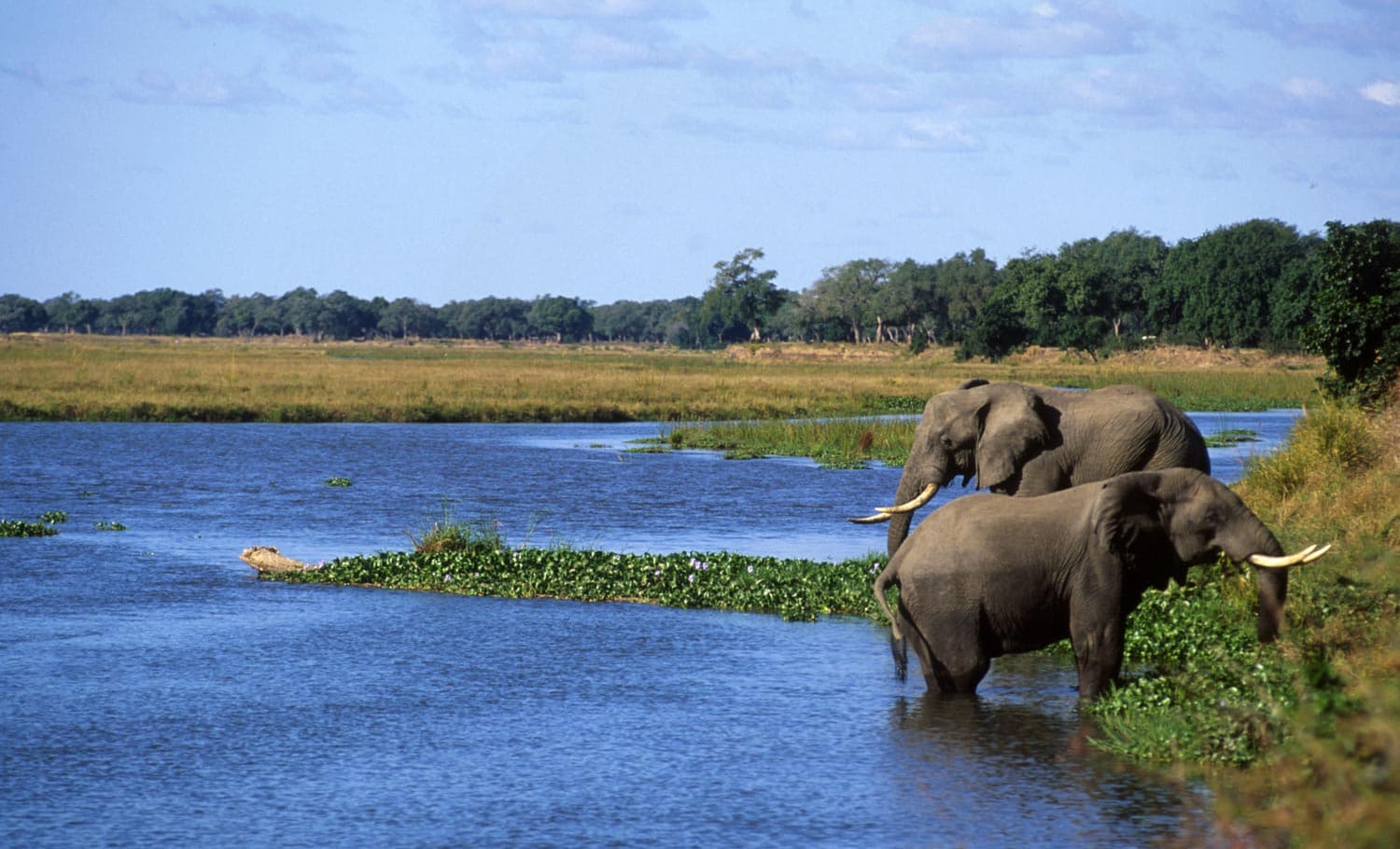
Predators play a crucial role in maintaining ecological harmony. Without predators, herbivore populations would grow uncontrollably, leading to overconsumption of plants.
This balance is often called a trophic cascade. When top predators are present, ecosystems remain healthier because vegetation and animal populations stay regulated.
Adaptation and Resilience Over Time
Forests are not static; they constantly adapt. Species evolve behaviors and traits that help them survive changes such as droughts, pests, or temperature shifts.
This adaptability allows forests to recover after disturbances. Young plants replace fallen trees, new species migrate in, and ecological equilibrium gradually returns.
Human Impact on Forest Balance
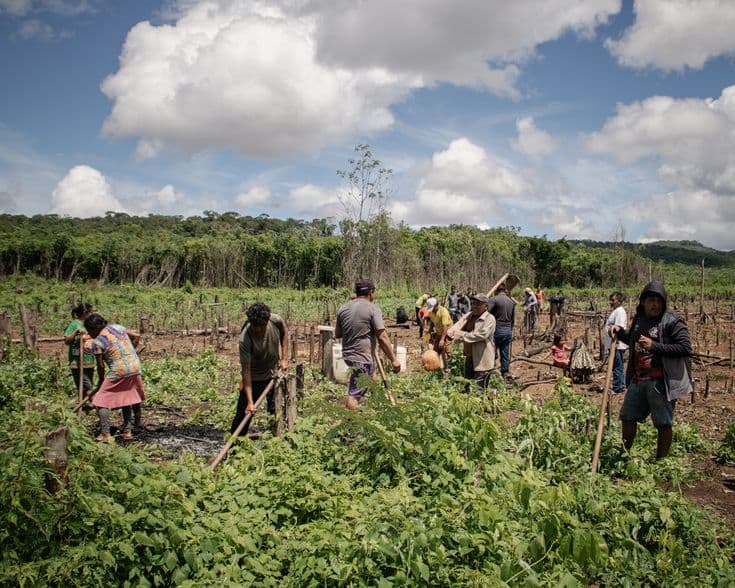
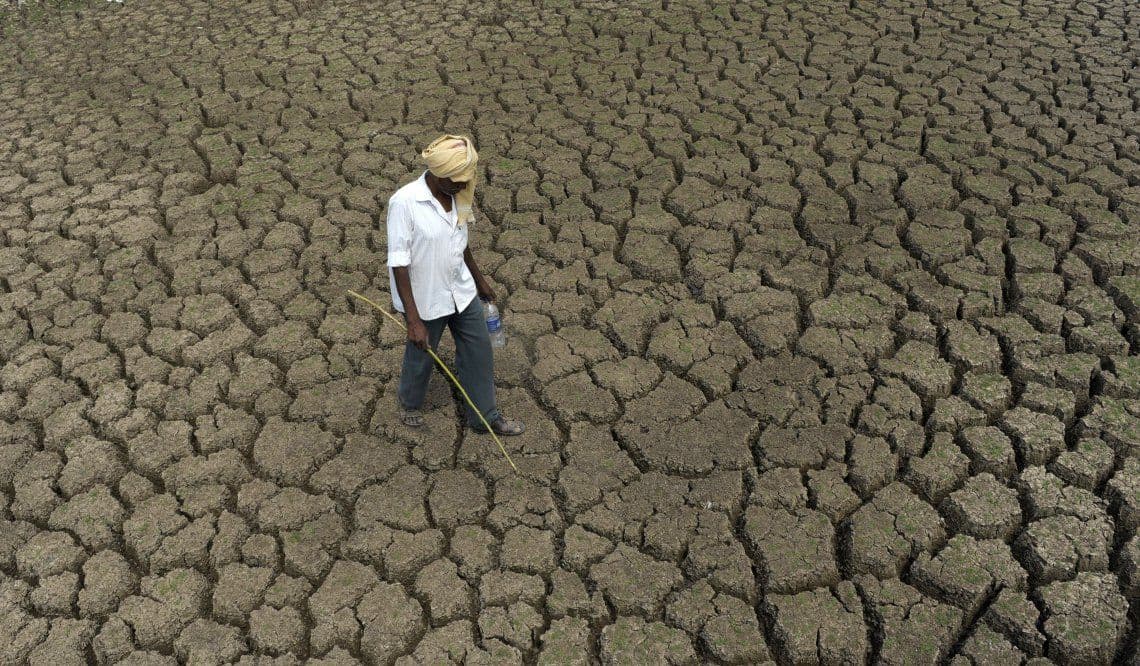
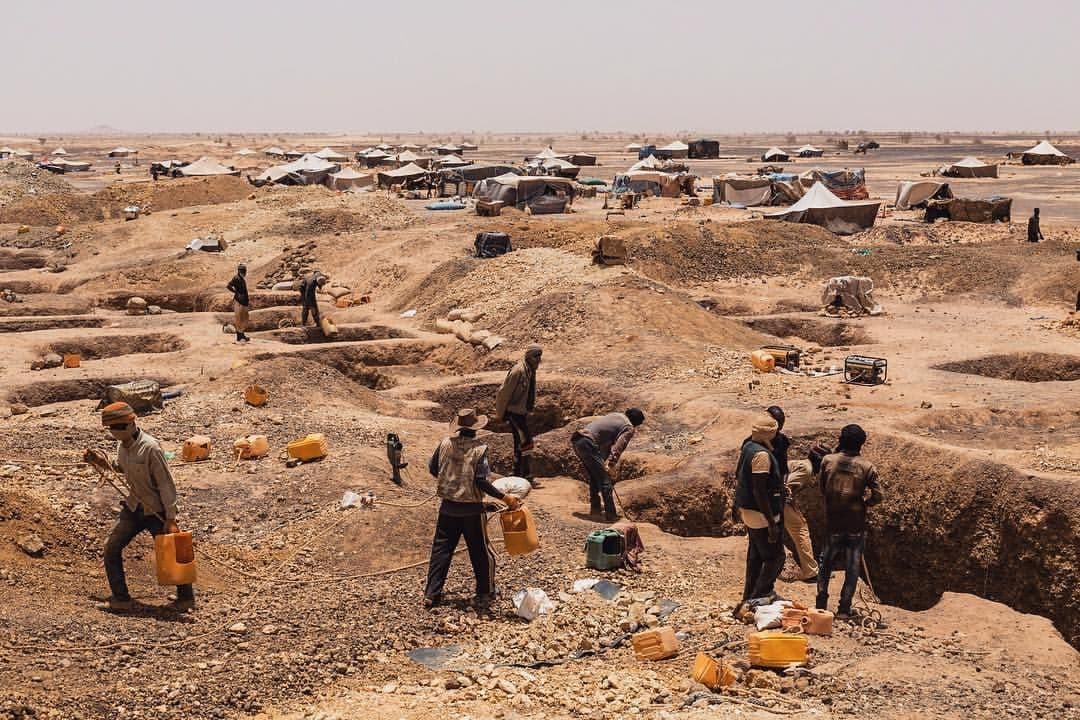
Although forests naturally regulate themselves, human activities can disrupt these systems faster than they can recover.
Major threats include:
-
Deforestation
Illegal logging
Climate change
Pollution
Habitat fragmentation
When biodiversity declines, ecosystems lose their ability to self-correct, making forests more vulnerable to collapse.
Why Forest Balance Matters to Humans
Healthy forests provide essential ecosystem services:
-
Clean air and oxygen production
Climate regulation
Water purification
Flood prevention
Food and medicinal resources
Millions of people, especially in Africa, Asia, and South America, depend directly on forests for livelihoods and survival.
Conclusion
Forest ecosystems stay perfectly balanced not because they are simple, but because they are deeply interconnected. Biodiversity, food webs, nutrient cycling, climate regulation, and cooperative relationships work together to create stability. Every organism plays a role, and even disturbances contribute to renewal and growth. When left undisturbed, forests demonstrate nature’s remarkable ability to maintain harmony through complexity.
Protecting forests therefore means protecting one of Earth’s most sophisticated natural systems, a balance refined over millions of years and essential for the future of life on our planet.
Comments (0)
No comments yet. Be the first to share your perspective!