

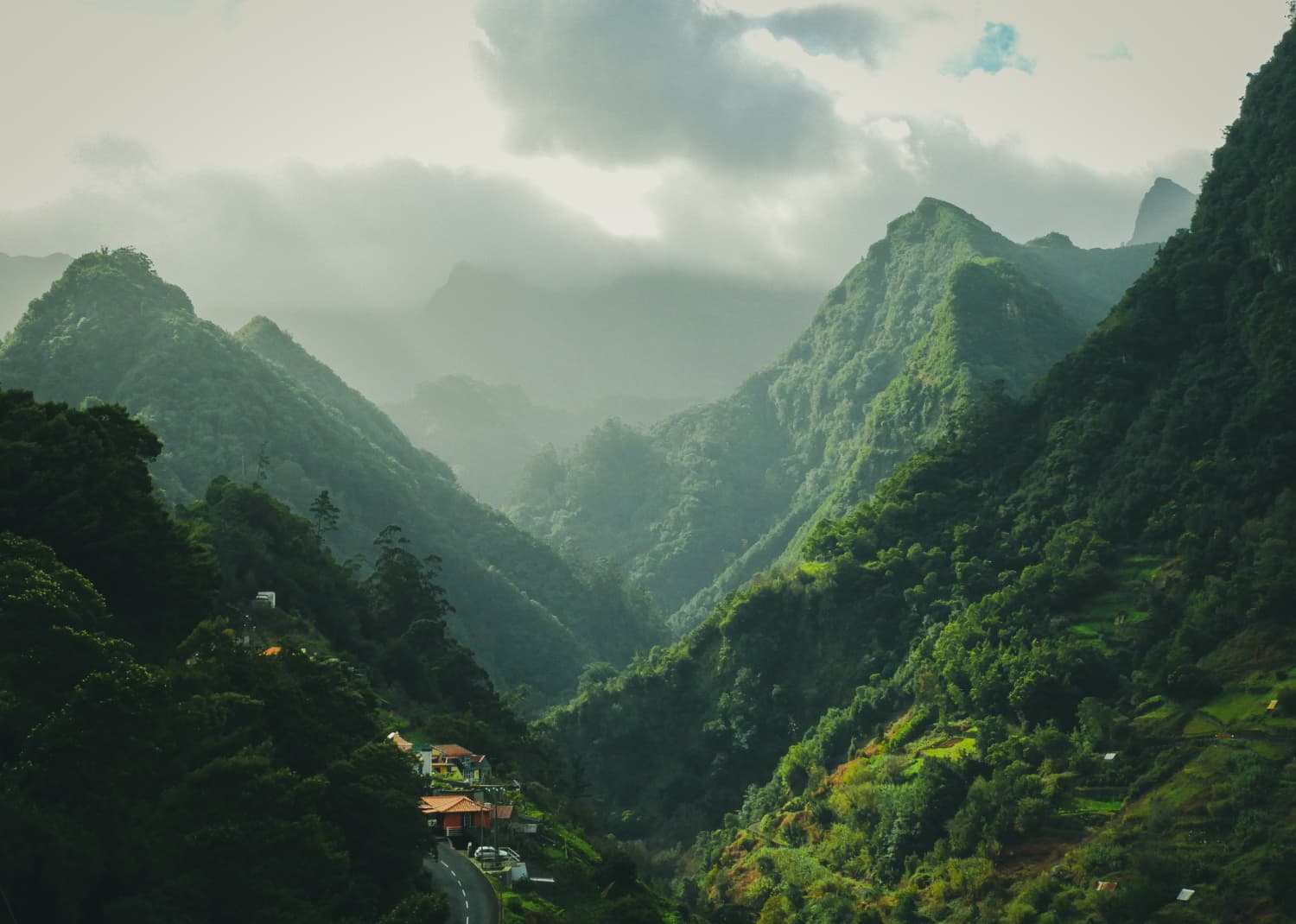
How Mountains Are Formed: The Powerful Forces That Shape Our Planet.
Mountains inspire awe. From snow-covered peaks to rolling highlands and volcanic giants rising above the clouds, they dominate landscapes and shape cultures across the world. But mountains were not built overnight. Long before humans walked the Earth, powerful natural forces were slowly lifting, folding, and reshaping the planet’s surface.
So how exactly are mountains formed? The answer lies deep beneath our feet.
A Moving Planet Beneath Us
Although the ground feels solid and permanent, Earth’s surface is constantly moving. The outer layer of the planet, known as the crust, is divided into massive sections called tectonic plates. These plates float on a softer layer beneath them and move slowly, only a few centimeters each year. That movement may seem insignificant, but over millions of years it creates enormous pressure. When plates collide, pull apart, or slide past one another, mountains begin to rise.
In many ways, mountains are the visible results of Earth’s slow but unstoppable motion.
The Main Ways Mountains Are Formed
Scientists classify mountains based on how they form. While each mountain range has a unique history, most fall into four major categories.
1. Fold Mountains: When the Earth Crumples
Fold mountains form when two tectonic plates push toward each other. Instead of breaking immediately, layers of rock bend and fold upward, much like a carpet pushed from both ends. This process creates long chains of mountains stretching across continents.


Examples include:
-
The Himalayas in Asia
The Alps in Europe
The Atlas Mountains in North Africa
The Himalayas are still growing today because the plates beneath them continue to collide.
2. Fault-Block Mountains: When the Crust Breaks
Sometimes pressure causes the Earth’s crust to crack instead of fold. Large blocks of rock move upward or downward along fractures known as faults. When one block rises higher than surrounding land, it forms a fault-block mountain. This process is clearly visible in regions like East Africa’s Great Rift Valley, where tectonic forces are slowly pulling the continent apart and creating dramatic landscapes.
3. Volcanic Mountains: Built by Fire
Some mountains are born from volcanic activity. Deep inside Earth, molten rock called magma rises toward the surface. When it erupts, lava cools and hardens, gradually building layers that form a mountain.
Famous volcanic mountains include:
-
Mount Kilimanjaro (Tanzania)
Mount Fuji (Japan)
Mount St. Helens (United States)
These mountains remind us that Earth’s interior remains active and powerful.
4. Dome Mountains: Lifted from Below
In some cases, magma pushes upward beneath the crust but does not erupt. Instead, it lifts the overlying rock into a rounded dome shape. Over time, erosion exposes the uplifted rock, creating a mountain. Though less dramatic in appearance, dome mountains reveal important clues about underground geological activity.
The Role of Time and Erosion
Mountain formation is only part of the story. Once mountains rise, natural forces begin wearing them down. Wind, rain, rivers, glaciers, and temperature changes slowly break rocks apart, a process called erosion. Valleys form, cliffs emerge, and sediments are carried away to create plains and fertile soils elsewhere.
Ironically, the same forces that build mountains also reshape and eventually reduce them.
Why Mountains Matter
Mountains do far more than decorate the horizon. They play a crucial role in life on Earth.
Climate and Weather
Mountains influence rainfall by forcing air upward, causing it to cool and release moisture. This creates forests on one side and dry regions on the other.
Water Sources
Many major rivers begin in mountains, supplying freshwater to billions of people worldwide.
Biodiversity
Different elevations create diverse ecosystems, allowing unique plants and animals to thrive.
Human Culture and Economy
Across Africa and the world, mountains support farming, tourism, spiritual traditions, and local economies.
A Living Planet
Perhaps the most fascinating truth about mountains is that their story is not finished. Earth’s tectonic plates continue to move today. New mountains are forming while older ones slowly erode away. The peaks we admire are part of an ongoing geological process, evidence that our planet is alive with motion and change.
Final Thoughts
Next time you see a mountain, remember that you are looking at millions of years of Earth’s history rising into the sky. Every ridge and valley tells a story of collision, pressure, heat, and time. Mountains are not just landscapes; they are monuments to the powerful forces shaping our planet, reminders that even the strongest structures in nature are part of an ever-changing world.

Comments (0)
No comments yet. Be the first to share your perspective!