

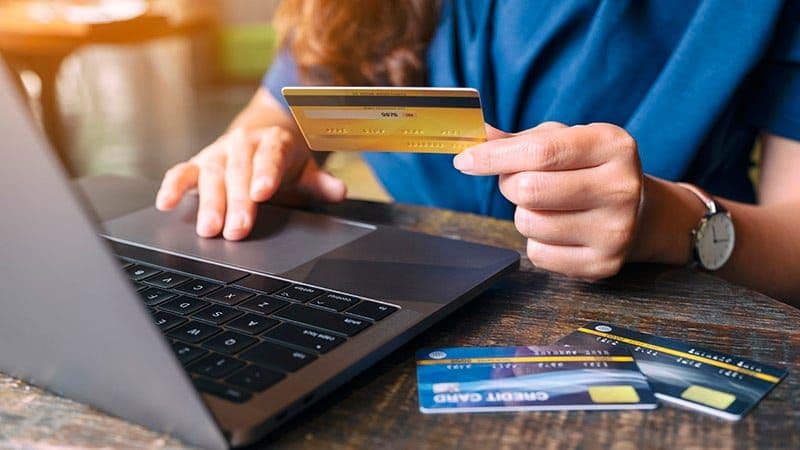
December is one of the busiest shopping periods in Nigeria.
As people buy clothes, electronics, food, decorations and gifts, fraudulent sellers also look for opportunities to take advantage of rushed shoppers. A convincing social media advert, an unusually cheap product or a fake delivery message can lead to lost money and stolen personal information.
The safest way to shop online is to use a trusted platform, verify the seller, check the payment process and keep records of every transaction. Do not let festive excitement or a limited-time offer pressure you into paying before you have checked the details.
What You Need Before Shopping Online
Keep these essentials in mind before placing an order:
- A secure internet connection and an updated device.
- The retailer’s official website or verified app.
- A payment method with a transaction record.
- The seller’s product details, reviews and return policy.
- A written record of the order, payment and delivery terms.
1. Shop Through the Correct Website or App
Scammers often create websites that look similar to genuine retailers. A small difference in a web address can take you to a fake store designed to collect your login or card details.

Do not open shopping links from random messages or unfamiliar social media accounts. Instead, type the retailer’s known website address into your browser or use its official app. Check the spelling of the domain before entering personal information.
The Central Bank of Nigeria warns consumers about phishing and online shopping scams, including fake websites and suspicious links. Its guidance recommends avoiding questionable links and verifying organisations directly. Read the CBN’s fraud and scam awareness guidance.
Understand your relationship. Fix what matters.
Practical, structured relationship courses built for lasting clarity.
Start learning2. Investigate the Seller Before Paying
A seller can have attractive product photographs and hundreds of followers without being reliable. Before placing an order, examine the account’s history, customer feedback and contact information.
Look for reviews that include specific details about product quality, packaging and delivery. Be cautious if every review sounds identical, comments are disabled or the seller has only recently created the account.
For marketplace purchases, check the individual seller’s rating and previous customer feedback. A familiar marketplace name does not automatically guarantee that every third-party seller is trustworthy.
3. Be Suspicious of Prices That Look Too Good
A large discount can be genuine, especially during seasonal sales. However, an offer that is dramatically cheaper than the same product elsewhere deserves closer inspection.
Compare prices across recognised retailers. Check whether the product is new, refurbished, used or a different model. Also look at delivery fees, taxes and other charges that may appear at checkout.
Do not assume that an advert is genuine because it uses a well-known brand’s logo. Fraudsters can copy product photographs, promotional banners and even customer testimonials.
4. Use Secure Payment Methods
Pay through the retailer’s official checkout or an approved payment channel. Avoid transferring money to an unrelated personal account simply because a seller says it is faster.
Before approving a payment, confirm the merchant, amount and transaction details. Never disclose your banking PIN, password or one-time password to a seller, delivery agent or person claiming to represent your bank.
If you receive a message asking you to pay an unexpected customs, clearance or delivery fee, verify the request directly with the retailer or courier. Do not use the phone number or payment link in the suspicious message.
The CBN’s consumer fraud guidance explains common phishing and online shopping scams and offers practical precautions.
5. Read the Delivery and Returns Policy
A genuine shopping platform should explain how orders are delivered and what customers can do when an item is damaged, incorrect or missing.
Before paying, check:
- The expected delivery period.
- Whether delivery is available in your area.
- The cost of shipping.
- The process for reporting a missing parcel.
- The return or exchange conditions.
- Whether refunds are available and how they are processed.
Take screenshots of the product description, order confirmation and payment receipt. These records can help if a dispute arises.
6. Watch Out for Fake Delivery Messages
During December, you may receive messages claiming that a parcel is waiting for collection or that you must pay a small fee to release it.
Do not click the link immediately. Open your order history through the retailer’s official app or website and check the delivery status there. If the courier has a tracking number, use the tracking page reached through its official website.
A message that asks you to enter your card details or banking password to receive a parcel is a serious warning sign.
7. Protect Your Personal Information
Online shopping requires some personal information, but a seller does not need unrestricted access to your financial details.
Use a strong, unique password for shopping accounts. Enable two-factor authentication where available, and avoid saving card details on unfamiliar websites. Do not share identity documents or sensitive banking information unless there is a clear, legitimate reason.
Also, avoid making payments while connected to public Wi-Fi networks that you cannot trust. If you must shop while away from home, use a secure connection and check the website address carefully.
8. Report Suspicious Transactions Quickly
If you suspect that you have been scammed, contact your bank or payment provider immediately. Give them the transaction reference, amount, time and any relevant messages. Ask what steps are available to secure your account or dispute the payment.
Change compromised passwords and report fake accounts or listings to the platform. Keep screenshots, receipts, email messages and telephone numbers as evidence. Where appropriate, report the incident to the relevant law-enforcement or consumer-protection agency.
Do not pay a stranger who promises to recover your money for an upfront fee. Recovery scams often target people who have already lost money.
Shop With a Plan, Not Under Pressure
Online shopping can make Christmas preparation easier, but convenience should not replace caution. Compare offers, verify sellers, use secure payment channels and save your transaction records.
A genuine retailer should give you enough information to make a considered purchase. If a seller insists that you must pay immediately or refuses to explain basic delivery terms, walk away. Missing a discount is better than losing your money.
Frequently Asked Questions
1. How can I know if an online shopping website is genuine?
Check the web address carefully, access the site through a trusted route, review its contact information and look for independent customer feedback. Avoid unfamiliar links sent through unsolicited messages.
2. Is it safe to transfer money to an online seller?
It is safer to pay through the retailer’s official checkout or an approved payment channel. Be cautious when a seller insists on payment to an unrelated personal account.
3. What should I do if I receive a fake delivery message?
Do not click the link or enter your details. Check your order through the retailer’s official app or website and contact the courier using verified contact information.
4. Can I get my money back after an online shopping scam?
Possibly, but recovery is not guaranteed. Contact your bank or payment provider immediately, report the transaction and provide supporting evidence.
5. Should I share my OTP with a delivery agent?
No. Never share your banking OTP, PIN or password with a delivery agent or seller. A legitimate delivery process should not require your confidential banking credentials.






Comments (0)
No comments yet. Be the first to share your perspective!