

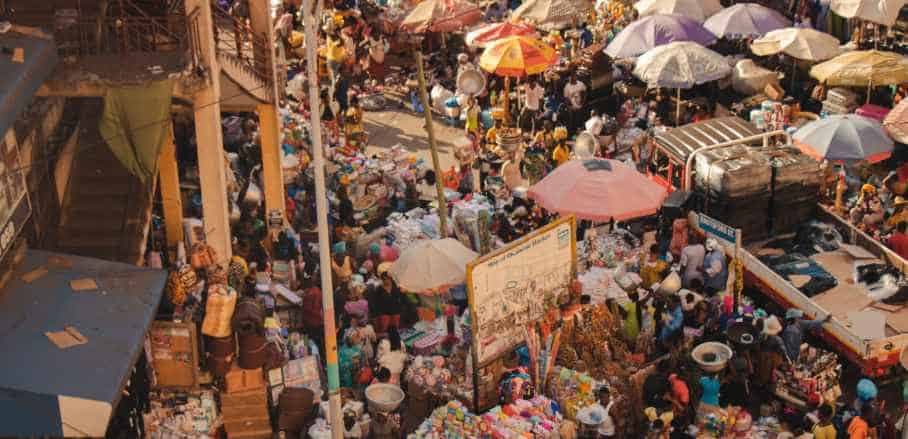
Across many parts of the world, a large portion of daily economic activity happens outside formal systems such as registered corporations, government regulation, and official taxation.
These activities form what economists call the informal market economy. Street vendors, open-air markets, small home businesses, and independent service providers are common examples.
While informal economies are sometimes viewed as disorganized or unstable, they actually reveal powerful lessons about entrepreneurship, adaptability, and community resilience.
1. Flexibility Drives Survival
One of the most noticeable strengths of informal markets is their flexibility. Vendors and small traders adjust quickly to changing conditions. If demand for a product drops, they can immediately switch to something else that sells better.
For example, a market seller who usually sells clothing might begin selling umbrellas during the rainy season. This ability to adapt quickly helps informal businesses survive in unpredictable environments.


Formal businesses, which often require long planning cycles and regulatory approvals, can struggle to move this quickly.
2. Low Barriers Encourage Entrepreneurship
Informal economies make it easier for people to start businesses. Most vendors do not need large amounts of capital, complicated permits, or extensive infrastructure.
When your relationship needs more than advice
Confidential, guided counseling sessions for couples and individuals.
Book a sessionSomeone might begin selling fruits from a small stall, preparing homemade food, or repairing phones with basic tools. This accessibility allows individuals with limited financial resources to participate in economic activity.
In many developing countries, informal markets serve as an important gateway for entrepreneurship and self-employment.
3. Community Relationships Matter More Than Contracts
Trust plays a major role in informal market systems. Because formal contracts and legal enforcement are often absent, relationships become the foundation of business transactions.
Customers return to vendors they trust, and traders often rely on long-standing relationships with suppliers. Word-of-mouth reputation can determine whether a small business succeeds or fails.
This emphasis on social trust highlights the importance of personal credibility in economic exchanges.
4. Innovation Happens Under Constraints
Limited resources often encourage creative problem-solving. Informal market entrepreneurs constantly find ways to operate efficiently with minimal tools, capital, or infrastructure.
For instance, traders may share transportation costs, repurpose materials for displays, or develop informal credit systems for loyal customers. These small innovations allow businesses to function even in challenging economic conditions.
Such resourcefulness demonstrates how innovation does not always require advanced technology or large investments.
5. Informal Markets Reveal Real Consumer Needs
Because informal vendors interact directly with customers every day, they quickly learn what people truly need and can afford. Prices, product types, and quantities are constantly adjusted based on real demand.
This immediate feedback loop helps traders make smarter business decisions. In contrast, larger companies often rely on market research studies that may not reflect everyday consumer behavior as accurately.
6. Economic Resilience in Times of Crisis
Informal economies often expand during economic downturns when formal jobs become scarce. People who lose employment frequently turn to small trading or service work to generate income.
While informal work may lack stability or social protections, it provides an important safety net that keeps many households financially afloat during difficult times.
This resilience shows how grassroots economic activity can support communities when formal systems struggle.
7. The Importance of Gradual Formalization
Although informal markets offer many benefits, they also come with challenges. Workers may lack legal protections, access to credit, or business support services.
Many economists suggest gradual pathways that allow informal businesses to transition into the formal economy without destroying their flexibility. Simplified business registration, microfinance programs, and supportive regulations can help bridge this gap.
Conclusion
Informal market economies are often underestimated, yet they provide valuable insights into how people create opportunity with limited resources. Their success highlights the importance of adaptability, trust, entrepreneurship, and community cooperation.
Rather than dismissing informal markets as chaotic or inefficient, policymakers and business leaders can learn from the creativity and resilience they demonstrate every day. In many ways, these grassroots systems reveal the fundamental principles that drive economic activity around the world.




Comments (0)
No comments yet. Be the first to share your perspective!