

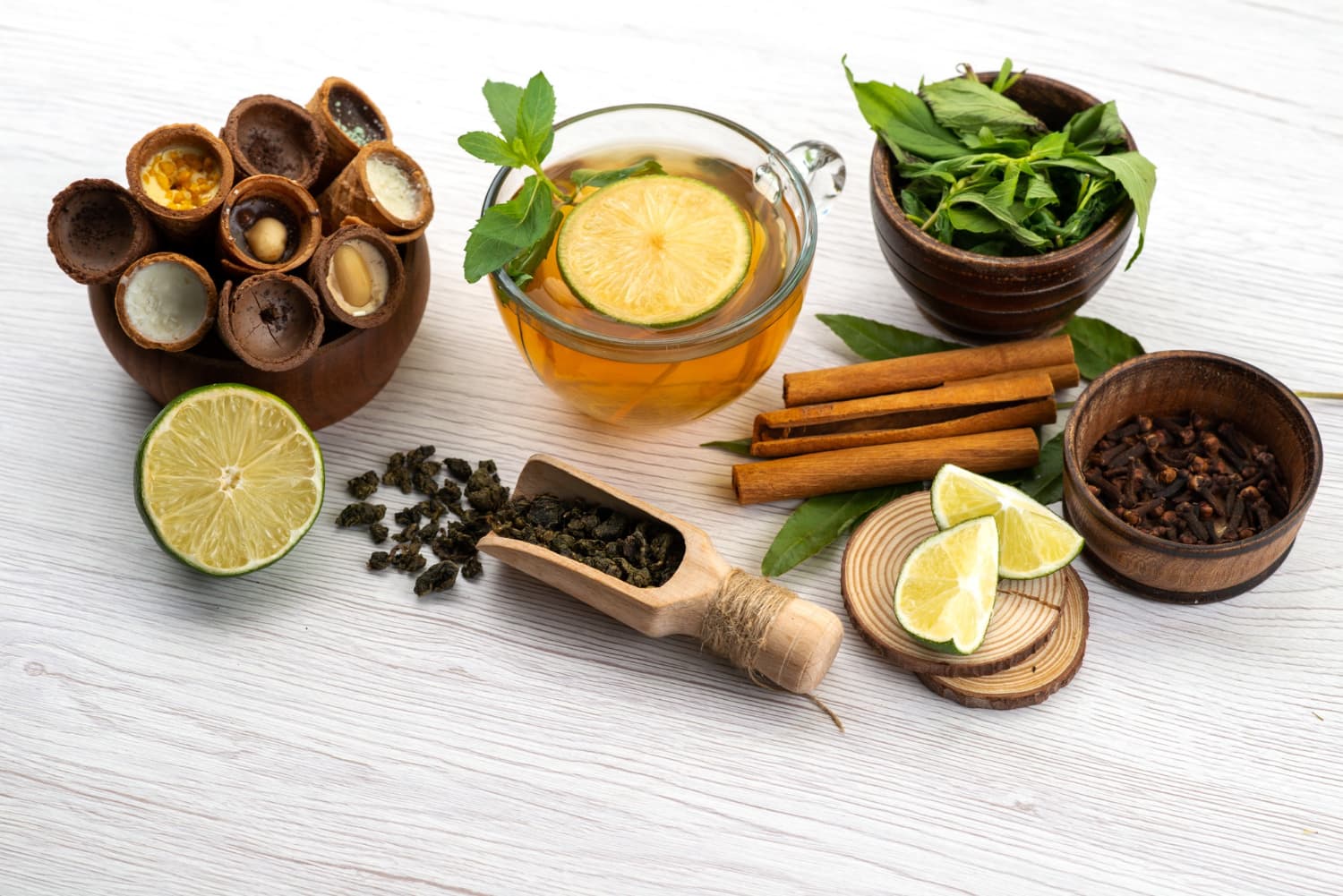
Long before pharmacies and laboratories existed, humans turned to the plants around them for healing.
Across Africa, communities have relied on nature’s pharmacy for centuries. From soothing stomach aches to reducing fevers, medicinal plants have been an essential part of daily life, and even today, they remain vital in healthcare, especially in rural areas.
Medicinal plants are more than herbs in a garden, they are living evidence of human ingenuity, culture, and a deep understanding of the natural world.
Why Medicinal Plants Matter
Medicinal plants contain bioactive compounds that can prevent, treat, or manage illnesses. Unlike synthetic drugs, many of these plants work holistically, supporting the body’s natural healing processes.
Beyond health, they are also culturally significant, often intertwined with rituals, traditions, and storytelling in African communities.


Common Medicinal Plants in Africa
Here are some widely used plants and their local names across various African communities:
1. Neem (Azadirachta indica) – Nigeria, Ghana, Kenya
-
Local names: “Dogonyaro” (Hausa, Nigeria), “Mwarubaini” (Swahili, East Africa)
Understand your relationship. Fix what matters.
Practical, structured relationship courses built for lasting clarity.
Start learningUses: Treats malaria, skin infections, and fevers
Why it works: Contains compounds like nimbin and azadirachtin that have antimicrobial properties
2. Moringa (Moringa oleifera) – West & East Africa
-
Local names: “Zogale” (Hausa, Nigeria), “Mlonge” (Swahili, Kenya & Tanzania)
Uses: Boosts immunity, treats malnutrition, reduces inflammation
Why it works: Rich in vitamins A, C, and calcium; anti-inflammatory and antioxidant properties
3. Bitter Leaf (Vernonia amygdalina) – Nigeria & Cameroon
-
Local names: “Ewuro” (Yoruba, Nigeria), “Onugbu” (Igbo, Nigeria), “Ndole” (Cameroon)
Uses: Treats malaria, digestive issues, and diabetes
Why it works: Contains compounds that fight malaria parasites and support liver health
4. Aloe Vera (Aloe barbadensis miller) – Southern & Eastern Africa
-
Local names: “Ibo” (South Africa), “Saber” (Sudan)
Uses: Heals burns, skin infections, and digestive issues
Why it works: Gel contains anti-inflammatory and antimicrobial compounds
5. African Ginger (Siphonochilus aethiopicus) – Southern Africa
-
Local names: “Impepho” or “Wild Ginger”
Uses: Relieves coughs, colds, and respiratory infections
Why it works: Contains bioactive compounds that soothe respiratory passages and reduce inflammation
6. Hibiscus (Hibiscus sabdariffa) – West & North Africa
-
Local names: “Zobo” (Nigeria), “Karkade” (Egypt & Sudan)
Uses: Lowers blood pressure, improves digestion, boosts hydration
Why it works: Rich in antioxidants and organic acids that support heart health
How to Use Medicinal Plants Safely
While medicinal plants are powerful, safe usage is essential:
-
Learn the correct plant species and dosage
Avoid mixing multiple herbs without guidance
Consult healthcare providers when treating serious conditions
Harvest sustainably to protect the environment
Why Local Knowledge Matters
African communities have long preserved indigenous knowledge of medicinal plants. From market stalls in Lagos to rural villages in Ghana, this knowledge passes from elders to younger generations. Each plant carries a story, a lesson, and a unique healing power.
By respecting and integrating this knowledge, we not only safeguard cultural heritage but also explore new scientific possibilities, many modern drugs, including malaria treatments, have roots in traditional African medicine.
Final Thoughts
The plants around us are more than greenery, they are healers, teachers, and witnesses to centuries of human ingenuity. By exploring and respecting medicinal plants, we reconnect with nature while nurturing our health and communities.
Next time you walk through a garden, farm, or forest, take a moment to notice the healing treasures around you—they might be closer than you think.

Comments (0)
No comments yet. Be the first to share your perspective!